2026 Top Trends in Robot UVC Disinfection Technology?
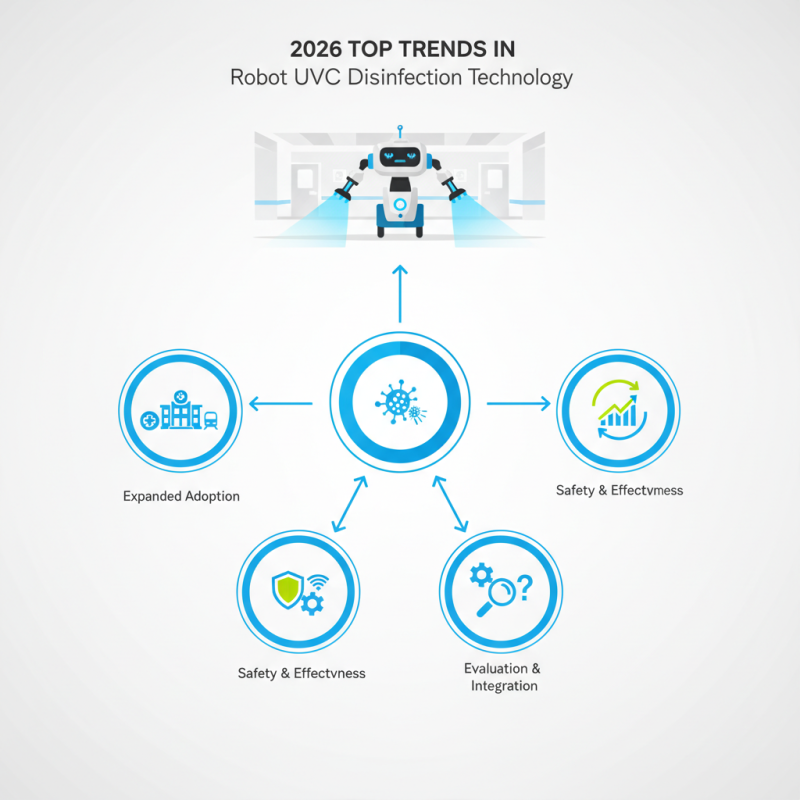
As we look towards 2026, the importance of cleanliness in public spaces continues to rise. The emergence of robot UVC disinfection technology plays a crucial role in this pursuit. These robots utilize ultraviolet light to effectively kill pathogens. Their growing presence in hospitals, schools, and transportation hubs signifies a shift in disinfection methods.
However, the adoption of robot UVC disinfection is not without challenges. Concerns about safety and effectiveness linger in some communities. There are discussions about the potential over-reliance on technology. Could this create a false sense of security? The integration of automation in disinfection processes must be done carefully. Each deployment offers lessons on improving efficiency and addressing flaws.
The year 2026 could redefine our approach to hygiene. The role of robot UVC disinfection will likely expand, but so must our awareness of its limitations. Ongoing evaluation and adaptation will be key to truly harnessing this technology. Balancing innovation with caution will shape the future of clean environments.
Key Innovations in Robot UVC Disinfection Technology for 2026
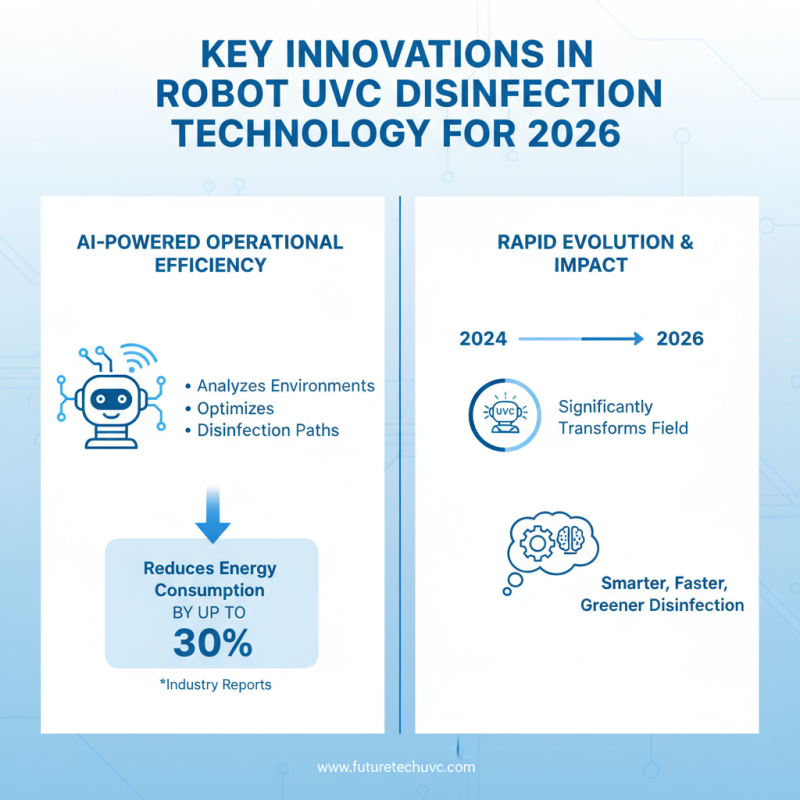
Robot UVC disinfection technology is evolving rapidly. In 2026, several key innovations will transform this field significantly. Notably, the integration of artificial intelligence will enhance operational efficiency. AI can analyze environments, optimizing disinfection paths. This technology may reduce energy consumption by up to 30%, according to recent industry reports.
Another important trend is the improved portability and flexibility of robots. Compact designs will allow them to navigate various spaces easily, from hospitals to offices. New battery technologies will offer longer operational times, making continuous disinfection feasible. Research indicates that effective monitoring can increase user confidence by 40%.
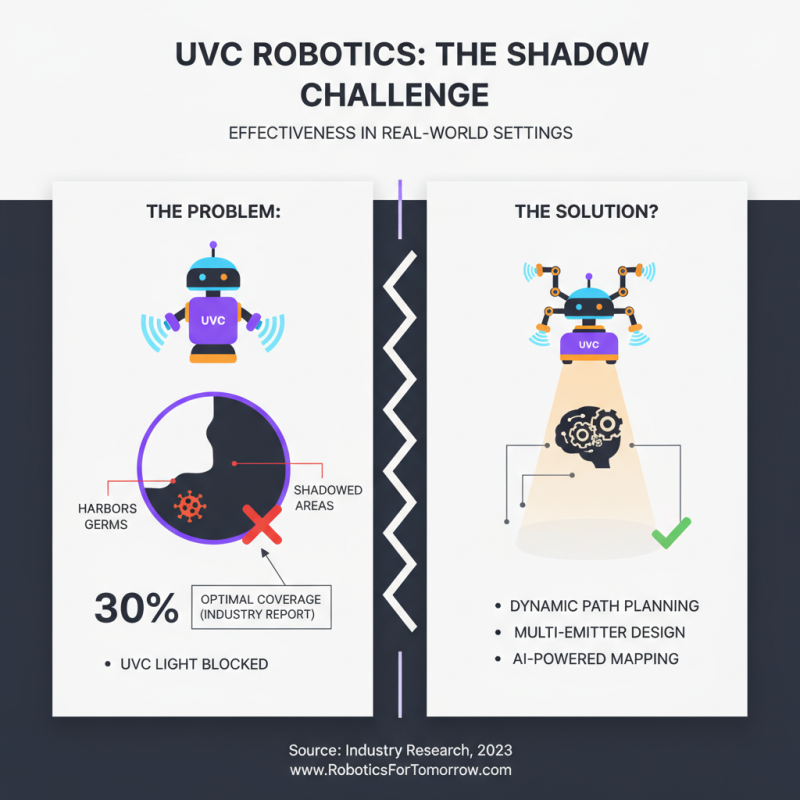
However, challenges remain. Ensuring safety and efficacy in diverse settings is critical. There are concerns about uneven disinfection in complex areas. Additionally, the initial investment for advanced robots can be substantial. Addressing these issues will be essential for widespread adoption and success in 2026 and beyond.
Impact of AI on UVC Disinfection Robot Efficiency
The integration of AI in UVC disinfection robots is transformative. AI enhances decision-making and operational efficiency. These robots can analyze their surroundings in real-time. They adapt to different environments more effectively than ever. For instance, they can detect obstacles and navigate around them without human intervention.
However, reliance on AI comes with challenges. The algorithms must be continuously updated. If they fail to recognize an object, efficiency decreases. Some robots may miss areas that require disinfection. This inconsistency can impact overall performance. There are also concerns about data security. The collection of environmental data prompts privacy issues.
In terms of operational speed, AI can optimize performance. Robots can generate detailed maps of the area. They prioritize high-risk zones for disinfection. This precise targeting reduces time spent on less critical areas. Yet, the balance between speed and thoroughness remains delicate. Potential oversights should encourage further reflection. The goal is effectiveness, but perfection is elusive.
2026 Top Trends in Robot UVC Disinfection Technology - Impact of AI on UVC Disinfection Robot Efficiency
| Trend |
Description |
AI Integration Level |
Expected Efficiency Improvement (%) |
Market Adoption Rate (%) |
| Autonomous Navigation |
Robots equipped with advanced sensors to navigate complex environments. |
High |
30 |
70 |
| Predictive Maintenance |
Using AI to forecast equipment failures before they occur. |
Medium |
25 |
60 |
| Data Analytics |
Collecting and analyzing data to optimize cleaning processes. |
High |
40 |
75 |
| Real-time Monitoring |
AI systems to monitor disinfection processes in real-time. |
Medium |
20 |
65 |
| Enhanced Safety Features |
Robots with AI to detect humans and avoid accidents. |
High |
35 |
80 |
Comparative Analysis of UVC Disinfection Robots and Traditional Methods
UVC disinfection robots are becoming more popular in various sectors, especially healthcare. These machines use ultraviolet light to kill germs and viruses effectively. In contrast, traditional disinfection methods often rely on chemicals or manual cleaning. While both approaches aim to achieve cleanliness, their effectiveness and efficiencies can differ significantly.
One major advantage of UVC robots is their ability to cover large areas quickly. They reduce human exposure to potentially harmful pathogens. However, they face challenges in reaching every nook and cranny. Traditional methods, although slower, allow for a more detailed cleaning. They can target specific areas better. Yet, these methods sometimes leave behind residues and may not eliminate all pathogens. The choice between the two methods may depend on specific situations and requirements.
Furthermore, the cost of implementing UVC technology can be a concern. Initial investments for these robots are often higher than traditional methods. Many facilities might hesitate to switch without clear long-term benefits. While UVC disinfection appears promising, it’s crucial to evaluate its reliability and effectiveness carefully. A balancing act is needed between speed, thoroughness, and cost-effectiveness in disinfection strategies.
Future Market Trends and Adoption Rates for UVC Disinfection Robots
As we look towards the future, the market for UVC disinfection robots is evolving rapidly. The ongoing demand for hygienic environments drives innovations in this technology. These robots are now more efficient and versatile than before. Hospitals, offices, and schools are adopting these machines to enhance cleanliness. This trend is evident in many sectors, emphasizing safety in daily operations.
Adoption rates for UVC disinfection robots highlight the need for reliable sanitation methods. Surveys indicate that many institutions are willing to invest in such technology. However, some organizations face challenges like cost and maintenance. Users often express concerns about the reliability of these robots. Ensuring consistent performance is crucial for widespread acceptance. The technology must continue to improve to meet varying needs across different environments.
Moreover, the integration of intelligent features is on the rise. Robots now come equipped with advanced sensors and AI capabilities. This allows them to navigate spaces more effectively. Yet, the learning curve remains steep for some users. Training staff to optimize these systems can take time. Feedback from users is essential. Continuous improvement is necessary to advance these vital machines.
2026 Top Trends in Robot UVC Disinfection Technology