10 Best Infection Prevention Practices for a Healthier Future?
Infection prevention is a critical aspect of public health. The practices we choose today shape our future. Adopting effective infection prevention techniques can transform healthcare. These measures reduce the spread of diseases and enhance community well-being.
The need for robust infection prevention strategies has never been clearer. As we face emerging infectious diseases, proactive steps become essential. Health institutions must prioritize staff training and patient education. Understanding the importance of hygiene, vaccination, and timely response is vital.
Infection prevention is not solely a healthcare facility's responsibility. Individuals play a key role in creating a healthier society. Community awareness and personal accountability are crucial. We must reflect on our actions and encourage others. Together, we can forge a disease-free future.
Top Hygiene Practices to Reduce Infection Risks in Healthcare Settings
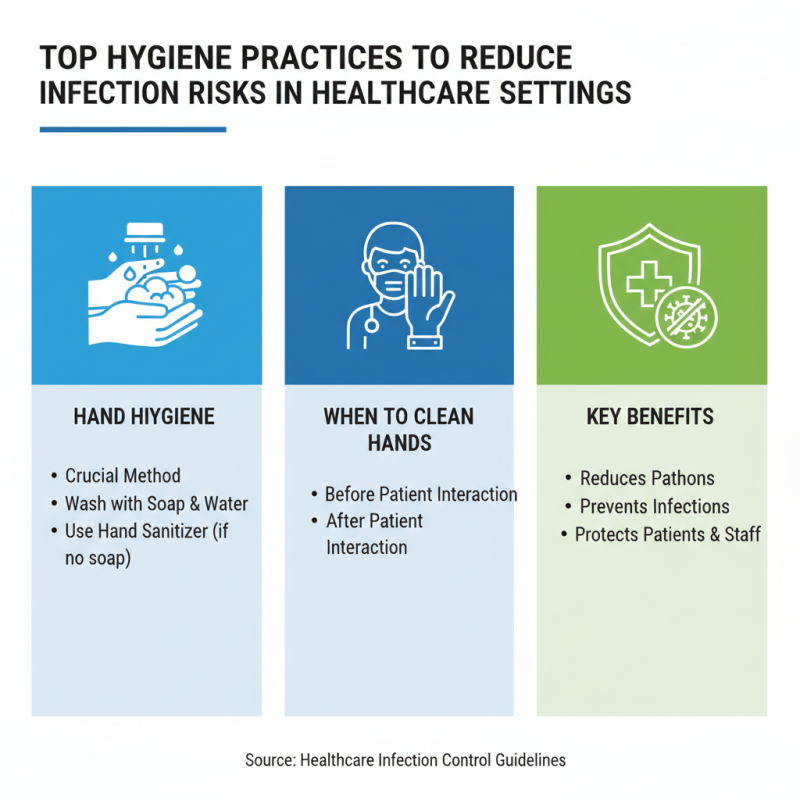
In healthcare settings, hygiene practices are essential for infection prevention. Hand hygiene stands out as a crucial method. Regular handwashing with soap and water reduces pathogens on the skin. Using hand sanitizer when soap isn't available is effective too. Healthcare workers should wash hands before and after patient interaction.
Environmental cleanliness plays a key role. Disinfecting surfaces often is vital in preventing infection. Commonly touched areas, like bedrails and doorknobs, should receive extra attention. Proper waste disposal is equally important. Biohazardous waste must be managed carefully to avoid contamination.
Education and training for healthcare staff cannot be overlooked. They need to understand the importance of infection control. Regular training sessions help staff stay updated on best practices. However, challenges exist. Compliance with hygiene protocols can be inconsistent. Some staff may skip steps during busy shifts. This requires ongoing assessment and improvement. Recognizing these gaps is the first step toward better care.
Importance of Hand Hygiene in Infection Control and Prevention
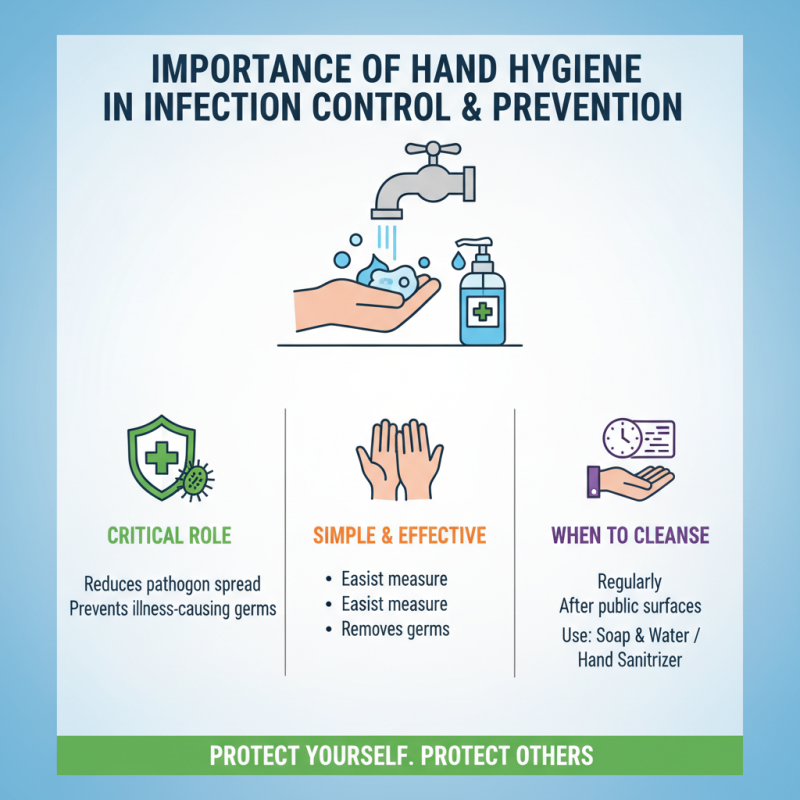
Hand hygiene plays a critical role in infection control and prevention. It’s one of the simplest yet most effective measures to reduce the spread of pathogens. When people wash their hands properly, they remove germs that can cause illness. Soap and water, or hand sanitizers, should be used regularly, especially after contact with public surfaces.
Despite the knowledge of its importance, many still neglect proper handwashing techniques. Studies show that even in healthcare settings, compliance remains a challenge. Healthcare professionals often rush through the process, leading to inadequate cleaning. This can potentially endanger patients. Reflecting on these habits is essential for improvement.
Personal hygiene extends beyond just washing hands. It involves being mindful of how often we touch our faces and interact with others. Keeping nails trimmed and avoiding rings can help minimize germ accumulation. We must stay aware of our practices to ensure a healthier future.
Effective Use of Personal Protective Equipment (PPE)
Personal Protective Equipment (PPE) plays a crucial role in infection prevention. Recent studies indicate that proper use of PPE can reduce infection transmission by up to 75%. This statistic underscores the importance of training healthcare workers on effective PPE use. It is not enough to wear gloves and masks; understanding when and how to deploy these tools is essential.
Many healthcare facilities face challenges in ensuring PPE compliance. A report from the World Health Organization (WHO) shows that only 50% of healthcare providers consistently adhere to PPE protocols. This inconsistency can lead to outbreaks, especially in high-risk environments like hospitals. Regular audits and refresher training sessions can significantly enhance compliance rates.
Furthermore, the design of PPE must be user-friendly. A well-fitted mask or gown increases comfort and encourages usage. Yet, many healthcare workers report discomfort and restricted movement. This highlights the need for ongoing dialogue between manufacturers and users. Improving the fit and usability of PPE could lead to better protection and adherence, ultimately fostering a healthier future for all.
10 Best Infection Prevention Practices for a Healthier Future
Environmental Cleaning and Disinfection Protocols for Safety
Maintaining cleanliness is crucial in infection prevention. According to the Centers for Disease Control and Prevention (CDC), proper cleaning and disinfection can reduce the risk of healthcare-associated infections by up to 70%. Hospitals and clinics must adopt stringent protocols for their environments. Regular cleaning of high-touch surfaces is essential. This includes doorknobs, light switches, and bedrails.
One study highlighted that pathogens can survive on surfaces for days. The importance of effective disinfectants cannot be overstated. Facilities should evaluate the efficacy of their cleaning agents. Only those proven to eliminate bacteria and viruses should be used. Regular training for cleaning staff can enhance their understanding of protocols. This ensures that cleaning procedures are not just routine but carried out with diligence.
Despite these efforts, challenges remain. Inconsistent cleaning practices can undermine progress. Staff turnover often leads to lapses in procedure adherence. Facilities should regularly assess their cleaning protocols and training programs. Continuous improvement is vital. Only a commitment to excellence in environmental cleaning will lead to a safer future in healthcare settings.
Vaccination Strategies to Prevent Infectious Disease Outbreaks
Vaccination is a cornerstone of infection prevention strategies. The World Health Organization (WHO) reports that vaccination could prevent over 2 to 3 million deaths annually from vaccine-preventable diseases. This statistic emphasizes the critical role vaccines play in public health. Despite proven effectiveness, vaccine hesitancy remains a challenge. Surveys indicate that about 27% of adults express concerns about vaccine safety.
Data from the Centers for Disease Control and Prevention (CDC) reveals that widespread immunization can halt outbreaks. For instance, over 90% vaccination coverage is necessary for herd immunity against measles. Yet, recent outbreaks show that many communities fall short. Accessibility is a factor to consider. Some regions experience barriers to vaccine access, stigmatization, or misinformation, causing lower uptake rates.
Implementing effective vaccination strategies requires community engagement and trust-building. Public health campaigns must address misinformation head-on. Transparency about the benefits and risks of vaccines is key to improving public perception. Collaboration among healthcare providers, local leaders, and families fosters a supportive environment for vaccination. Enhanced communication can significantly boost vaccination rates and, ultimately, help us build a healthier future.