Best UV Light for Sterilization What You Need to Know?
In recent years, the importance of hygiene has skyrocketed, especially in our daily lives. One effective solution is using UV light for sterilization. UV light has proven to be a powerful tool against various pathogens, including bacteria and viruses. Many industries have adopted it for ensuring cleanliness in their operations.
Understanding the right UV light for sterilization is crucial. Not all UV devices are equally effective. Some may fall short in performance, leaving room for potential risks. Users should consider different wavelengths and exposure times. Trusted sources offer valuable insights into the efficiency of these devices, highlighting both benefits and limitations.
While the science of UV light is established, it’s essential to recognize its boundaries. UV light does not replace conventional cleaning methods but complements them. Users must exercise cautious awareness when incorporating this technology. The right balance can enhance safety, making UV light an indispensable ally in our fight for a healthier environment.
Understanding UV Light: The Science Behind Sterilization
Ultraviolet (UV) light is a powerful tool in sterilization. It operates by emitting light at wavelengths between 100 and 400 nanometers. This form of light breaks the bonds in the DNA of bacteria, viruses, and other pathogens. The energy disrupts their reproductive capabilities, leading to their elimination. Understanding this process provides insight into its effectiveness.
When selecting UV light for sterilization, consider the wavelength. Germicidal UV light typically ranges from 254 nanometers. This is the most effective wavelength for killing germs. Users should also factor in exposure time. Insufficient exposure may not effectively neutralize pathogens.
However, there are limitations and risks. Direct exposure to UV light can harm skin and eyes. Protective gear is essential when using these devices. Additionally, not all materials can be effectively sterilized with UV light. Shadows or barriers can hinder UV penetration. This is crucial when considering surfaces or objects for sterilization. Thus, while UV light offers significant benefits, a thoughtful approach is necessary for safe and effective use.
Types of UV Light Used for Sterilization: A Comprehensive Overview
When considering UV light for sterilization, understanding the types is essential.
UV-C light is the most effective for killing germs. Studies show it can reduce microbial load by up to 99.9% in seconds. This type of light has wavelengths between 100 to 280 nanometers. It disrupts DNA and RNA in microorganisms, rendering them unable to reproduce.
Another type, UV-A, is commonly used for germicidal applications, but it is less effective than UV-C. A report from the American Journal of Infection Control indicates that UV-C is preferred in hospital settings. It effectively eliminates pathogens like MRSA and C. diff. Understanding these differences is crucial for effective sterilization.
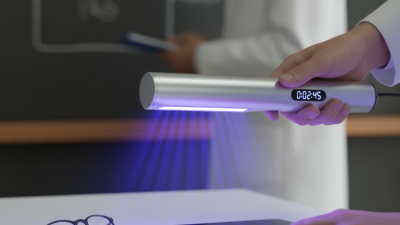
Tips for using UV light wisely: Always wear protective eyewear. UV light can cause damage to skin and eyes. Maintain a safe distance from the source to avoid overexposure. Regular maintenance of UV devices is necessary to ensure effectiveness. Remember, while UV light is powerful, it should complement other cleaning methods for best results.
Effectiveness of UV Light in Killing Microorganisms: Key Statistics
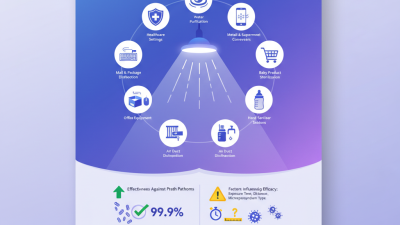
UV light is increasingly recognized for its ability to kill microorganisms effectively. Studies indicate that UV-C light, in particular, can eliminate up to 99.9% of bacteria and viruses on surfaces. This statistic is critical in understanding how UV light can enhance sanitization processes in various settings, from homes to hospitals.
The efficiency of UV sterilization depends on multiple factors. Exposure time, intensity of the light, and the type of microorganism all play significant roles. For instance, some pathogens may require longer exposure to achieve the same level of disinfection. Moreover, shadows and obstructions can reduce effectiveness, making thorough coverage essential. Many users might underestimate this aspect, leading to less optimal results.
Research shows that UV light can also degrade materials over time. Plastics and certain fabrics may suffer damage with prolonged exposure. Consequently, when using UV sterilization in everyday life, it’s important to weigh the benefits against potential downsides. Ongoing evaluation of UV technologies ensures that users are aware of both their strengths and limitations in real-world applications.
Effectiveness of UV Light in Killing Microorganisms
This chart illustrates the effectiveness of UV light in eliminating various types of microorganisms, demonstrating a high percentage of effectiveness against common threats.
Safety Considerations When Using UV Light for Sterilization
Using UV light for sterilization has gained popularity. However, safety considerations are paramount.
UV light can be harmful to the skin and eyes. Direct exposure can lead to burns or cataracts.
It’s crucial to take precautions when using UV lamps.
Always wear protective eyewear and clothing. This minimizes the risk of UV exposure.
Consider using shielding screens to protect users. Ensure the area is unoccupied during sterilization.
This reduces the risk of accidental exposure. Verify the UV light intensity. Not all sterilizers are equally effective.
Some may require more time or distance to work properly.
Evaluate the usage environment. Proper ventilation can mitigate any harmful effects.
Regular maintenance of the equipment is necessary. Replace bulbs as recommended to ensure optimal performance.
Always remain informed about best practices. Research and continuous learning are essential for safe usage of UV sterilization.
Choosing the Right UV Sterilization Device: Features to Evaluate
When selecting a UV sterilization device, specific features need careful evaluation. The intensity of UV light is a critical factor. Studies indicate that a UV-C wavelength of 254 nm effectively kills bacteria and viruses. Devices lacking adequate intensity may fail to deliver the promised sterilization levels.
Another essential feature is the coverage area. Some devices are designed for small spaces, while others cater to large areas. According to a report by the Global UV Disinfection Equipment Market, devices that cover larger areas tend to have a broader application. However, they may not be as effective in tight corners or complex spaces. Thus, it's vital to assess your specific needs before making a choice.
Additionally, consider the ease of use and safety features. Many UV devices require minimal setup. However, safety is paramount. Expert recommendations suggest using devices with automatic shut-off features to prevent accidents. Poor handling can result in harmful UV exposure, potentially causing skin or eye damage. Always prioritize devices that prioritize user safety while providing effective sterilization.