How to Choose the Best UVC Sanitizer for Your Needs?
In today's world, maintaining cleanliness is more important than ever. UVC sanitizers have emerged as a vital tool in the fight against germs and viruses. They use ultraviolet light to disinfect surfaces and items effectively. Choosing the best UVC sanitizer for your needs can be challenging, given the wide range of options available.
Understanding your specific requirements is crucial. Not every UVC sanitizer is designed for the same purpose. Some are portable, while others are suited for large spaces. It’s essential to consider the size of the area you plan to sanitize. Additionally, look for models that offer safety features to prevent harmful exposure. Reading reviews and comparing products can clarify which options are reliable.
Moreover, not all UVC sanitizers perform equally. Effectiveness can vary based on design and technology. Some consumers find themselves disappointed after purchasing a device that doesn’t meet their expectations. Research gives insights into what works best. By evaluating your needs carefully, you can choose a UVC sanitizer that fits your lifestyle and ensures safety.
Understanding UVC Technology and Its Benefits
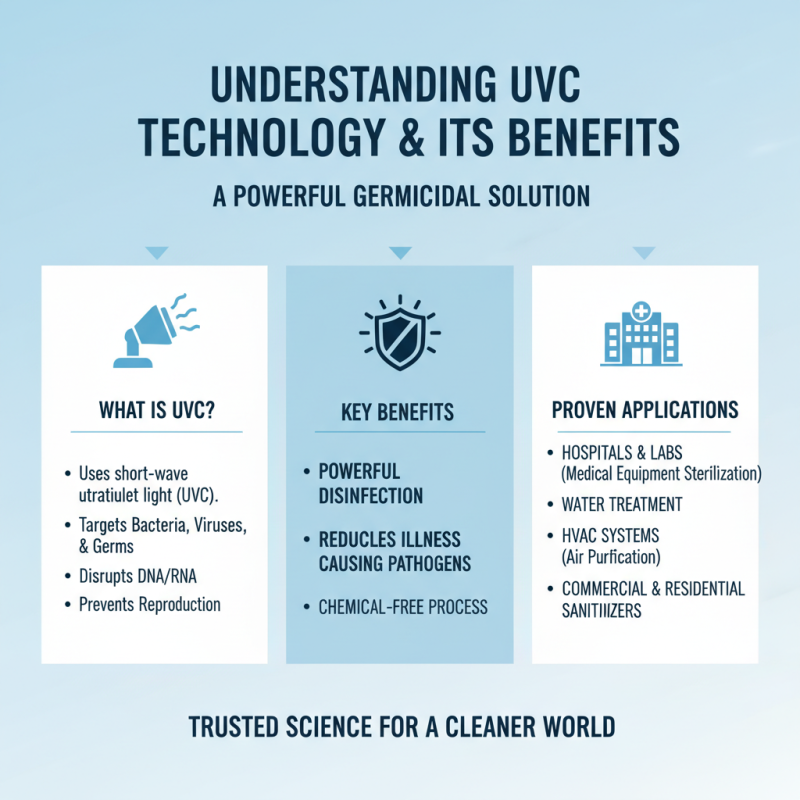
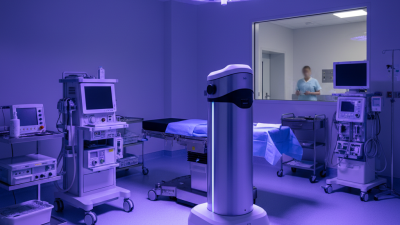
UVC technology uses ultraviolet light to disinfect surfaces and air. It targets microorganisms such as bacteria and viruses. The light disrupts their DNA, rendering them unable to reproduce. This feature makes UVC sanitizers effective tools for controlling germs. Hospitals and laboratories have used this technology for years. Its ability to sterilize efficiently is well established.
Many people are unaware of UVC’s potential benefits at home. With increased awareness of hygiene, these devices have gained popularity. They can reduce the risk of illness significantly. Portable UVC sanitizers are convenient for personal items. You can use them on phones, keys, and masks. However, users should always read instructions carefully. Overexposure to UVC light can be harmful.
Cost and effectiveness vary among products. Not all UVC devices deliver the same results. Researching reliable sources is essential for informed decisions. Look for devices with a proven track record. Reviews and certifications add to credibility. The effectiveness of UVC technology should not be taken for granted. Understanding how it works helps in selecting the best product for individual needs.
Different Types of UVC Sanitizers Available on the Market
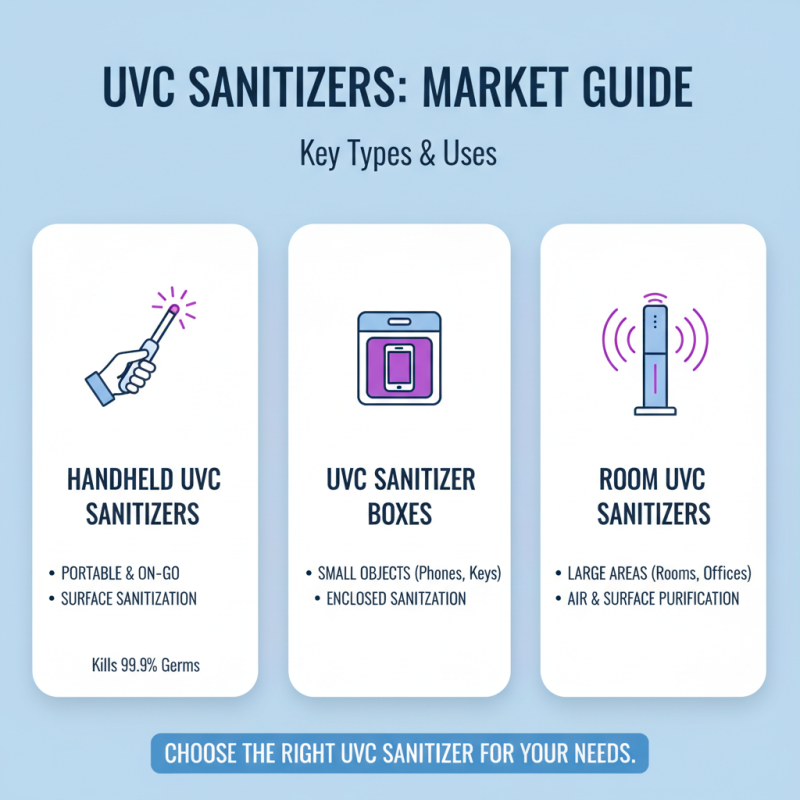
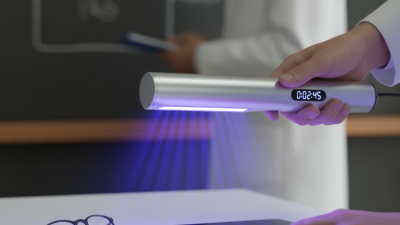
When selecting a UVC sanitizer, it's crucial to understand the different types you can find. Each type serves various purposes and environments. For instance, handheld UVC sanitizers are portable and effective for sanitizing surfaces on-the-go. They emit UVC light that can kill 99.9% of bacteria and viruses when used correctly.
Another variant is the UVC light box. This appliance can sanitize multiple items simultaneously, making it ideal for households. Data from research conducted by the American Journal of Infection Control shows that UVC can deactivate pathogens in less than 10 seconds when exposure is optimal. However, improper use can lead to insufficient disinfection. Always ensure the item is in direct line with the light.
For best results, consider these tips:
- Position the UVC device to avoid shadows, as they reduce effectiveness.
- Follow the manufacturer's guidelines on exposure time; overexposure can damage materials.
- Regularly clean the UVC lamp to maintain its intensity.
Understanding these factors can help you choose a sanitizer that meets your specific needs. Each type has its pros and cons, and the right choice depends on your unique requirements.
Factors to Consider When Choosing a UVC Sanitizer
Choosing the right UVC sanitizer requires careful consideration. Start with the effectiveness of the device. Look for UVC sanitizers that emit sufficient UV-C light intensity. A higher intensity means better germ-killing capabilities. Also, ensure the sanitizer is designed to cover various surfaces. Some models target specific items, while others can sanitize larger areas.
Power source and portability matter. Battery-operated models offer flexibility, while plug-in devices may provide more consistent performance. If you plan to use it in multiple settings, compact options may be advantageous. Think about where you want to use the sanitizer. Some environments, like homes or offices, have different needs.
Tips: Always check the user manual. This document often contains safety tips and detailed usage instructions. Understand the technology behind UVC light. Not all UV lights are equal, and knowing this can prevent potential misuse. Lastly, consider maintenance. Some units require regular cleaning or bulb replacement. Neglecting this can reduce their effectiveness over time.
Evaluating the Effectiveness and Safety of UVC Sanitizers
When considering a UVC sanitizer, effectiveness and safety should be your primary focus. UVC light can effectively kill bacteria and viruses. Its ability to sanitize surfaces is well-documented. However, not all devices are created equal. Look for sanitizers that specify their germicidal wavelengths. Generally, 254 nm is effective for disinfection. Not every product on the market meets this standard.
Safety is another critical aspect. UVC light can be harmful to skin and eyes. Devices should have safety features, such as automatic shut-off or shield mechanisms. It's important to assess the manufacturer's safety measures. Consider the materials used in the construction of the sanitizer. Some materials can degrade under UVC exposure, potentially releasing harmful particles.
Lastly, consider that user reviews can be mixed. Some users report positive outcomes, while others express caution. Also, think about how you will use the sanitizer. A device that works well for one area may not suit another. Be open to reflections on your choices. Every use case is different, and what works for one may not work for all.
Budgeting for Your UVC Sanitizer: Costs and Options
When budgeting for a UVC sanitizer, cost is a key factor. A basic model can range from $50 to $100, while more advanced units may cost upwards of $300. According to a recent report from the International Ultraviolet Association, a well-made UVC sanitizer can effectively eliminate 99.9% of harmful pathogens. This effectiveness can justify a higher investment for medical or high-traffic environments.
It’s essential to consider the long-term savings, too. Many users find that purchasing a UVC sanitizer reduces their reliance on disposable disinfectants. A survey by Statista shows that 75% of households express interest in sustainable cleaning solutions. Opting for a UVC sanitizer can lead to both financial savings and environmental benefits. However, be cautious—some cheaper models may not meet efficacy standards.
Users should examine both initial costs and ongoing expenses. The average lifespan of a UVC bulb is about 9,000 hours, requiring replacements after extensive use. That expense is important when calculating your total investment. Consider user reviews and independent tests before making a decision. This will ensure you choose a reliable device that fits your specific needs.
How to Choose the Best UVC Sanitizer for Your Needs?
| Feature |
Options Available |
Price Range |
| Portable UVC Sanitizer |
Handheld Devices, UVC Light Wands |
$20 - $100 |
| UVC Sterilization Box |
For Phones, Keys, Jewelry |
$30 - $150 |
| UVC Air Purifier |
Standalone Units, HVAC Integration |
$150 - $800 |
| UVC Disinfection Robot |
Automatic Cleaning, Smart Navigation |
$1,000 - $5,000 |
| UVC Surface Sanitizer |
Stationary Units, Comments on Use |
$100 - $500 |