How to Choose the Best Infection Control Conferences for You?
In recent years, infection control conferences have become essential for professionals in healthcare. These events provide valuable insights into current trends, research, and practices in infection prevention. According to a recent report by the Centers for Disease Control and Prevention (CDC), healthcare-associated infections cost the U.S. healthcare system nearly $32 billion annually. As such, these conferences play a pivotal role in equipping professionals with the latest knowledge.
Dr. Emily Johnson, a renowned expert in infection control, stated, “Attending infection control conferences is critical for staying ahead of emerging pathogens.” Her expertise highlights how gathering with peers and leaders in the field can foster collaboration and innovative solutions. These conferences offer a platform to debate strategies and share experiences, making them invaluable.
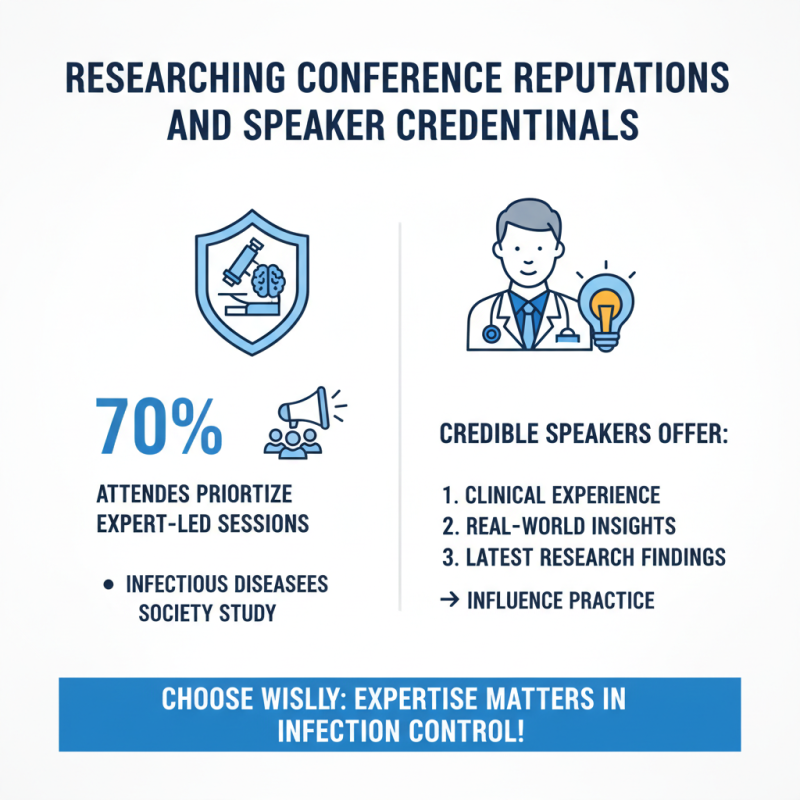
Selecting the right infection control conference requires careful consideration. Factors such as speaker credentials, topics covered, and networking opportunities should be assessed. Professionals must also balance the potential benefits against time and costs. Reflecting on personal goals and areas for growth is essential to make the best choice for advancing infection control practices effectively.

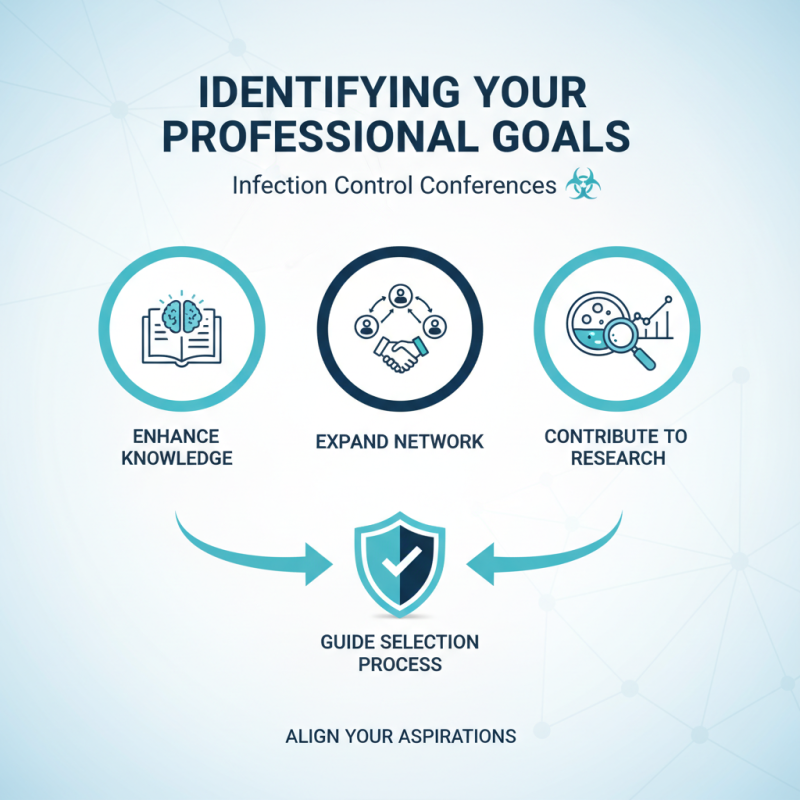
Identifying Your Professional Goals for Infection Control Conferences
When choosing the best infection control conferences, it's essential to clarify your professional goals. Identifying what you want to achieve can guide your selection process effectively. Are you looking to enhance your knowledge, expand your network, or contribute to research? Focusing on these aspects can help in shortlisting conferences that align with your aspirations.
Tips: Reflect on your career stage. Beginners might prioritize foundational knowledge. Experienced professionals may seek advanced topics. Consider the balance between learning and networking. Are you ready to establish connections with peers? For many, meaningful interactions can lead to future collaborations.
Not all conferences offer the same value. Some may focus heavily on theoretical aspects, which may not suit every attendee. It's crucial to examine past conference agendas. Look for diversity in speakers and topics. Engaging with participants is beneficial. Don't hesitate to ask questions during sessions, as this leads to deeper understanding. Set clear intentions before attending. This approach can transform your experience and enhance your professional journey.
Evaluating Location and Accessibility of the Conference Venue
When selecting an infection control conference, the location and accessibility of the venue are crucial factors. A recent report indicated that 75% of attendees prioritize location when choosing a conference. Selecting a central or well-connected venue can significantly enhance participation rates. Conferences held in urban centers often attract more professionals, linking experts from various sectors.
Accessibility goes beyond just proximity. Venues should be equipped with facilities that accommodate all attendees. A survey showed that 60% of healthcare professionals value wheelchair access and public transport links. Moreover, a convenient venue reduces travel-related stress and improves the overall experience. Unfortunately, some locations lack these essential features, leading to frustrations and missed opportunities.
Consideration should also be given to accommodations and dining options nearby. A study found that almost 70% of attendees prefer venues that offer a range of amenities. If local options are limited, participants may feel isolated. Thus, evaluating these factors can help ensure a more productive and enjoyable experience. Reflecting on these aspects can enhance your choice, making the conference beneficial for your professional growth.
Infection Control Conference Accessibility Evaluation
Considering Costs and Budget for Attendance
When planning to attend infection control conferences, costs can quickly add up. Registration fees, travel expenses, and accommodation all play a role in your budget. Research fees online and compare different conferences. Some may offer early bird rates or discounts for groups. Explore local options to save on travel costs.
Consider your funding sources. Are you using personal funds or support from your workplace? If your organization is involved in infection control, they may be willing to cover costs. Reach out and discuss potential support. It’s also beneficial to review what’s included in the registration fee. Meals, materials, and access to special sessions can impact overall value.
Lastly, think critically about each conference's relevance to your goals. Not every conference suits every attendee. Some events may focus heavily on a niche topic that doesn’t align with your interests. Reflect on your professional development needs. Prioritize conferences that offer the best learning and networking opportunities for you, even if they come at a higher price. Balancing these aspects can enhance your conference experience while staying within budget.
Reviewing Past Attendee Feedback and Networking Opportunities
Attending infection control conferences can greatly enhance your knowledge and network opportunities. Reviewing feedback from past attendees is crucial in making an informed choice. Many participants value sessions that foster interaction. A survey indicated that 74% of attendees prioritize networking over lectures. Peer interactions lead to shared best practices and innovative solutions.
Analyze the conference’s agenda. Prioritize events focusing on the latest research and emerging trends. Look for workshops that encourage dialogue. According to the Infection Control Global Network, 65% of professionals found informal discussions more beneficial than formal presentations. This reveals the importance of finding venues that create an engaging atmosphere.
Tips: Don’t hesitate to reach out to former attendees for insights. Online communities can provide honest feedback. Seek out conferences known for their interactive formats. Remember, access to diverse perspectives can broaden your understanding of infection control issues. Engage with speakers during Q&A sessions to deepen your learning. Your effort in networking can yield valuable connections and knowledge.
How to Choose the Best Infection Control Conferences for You?
| Conference Name |
Location |
Date |
Attendee Feedback Rating |
Networking Opportunities |
| International Infection Control Symposium |
New York, USA |
June 15-17, 2023 |
4.5/5 |
High |
| Global Infection Prevention Conference |
London, UK |
October 10-12, 2023 |
4.7/5 |
Medium |
| Annual Infection Control Convention |
Sydney, Australia |
March 5-7, 2023 |
4.3/5 |
High |
| Infection Control World Forum |
Toronto, Canada |
August 20-22, 2023 |
4.6/5 |
High |
| North American Infection Control Meeting |
San Francisco, USA |
November 1-3, 2023 |
4.4/5 |
Medium |