How to Choose the Right UVC Steriliser for Your Home Usage?
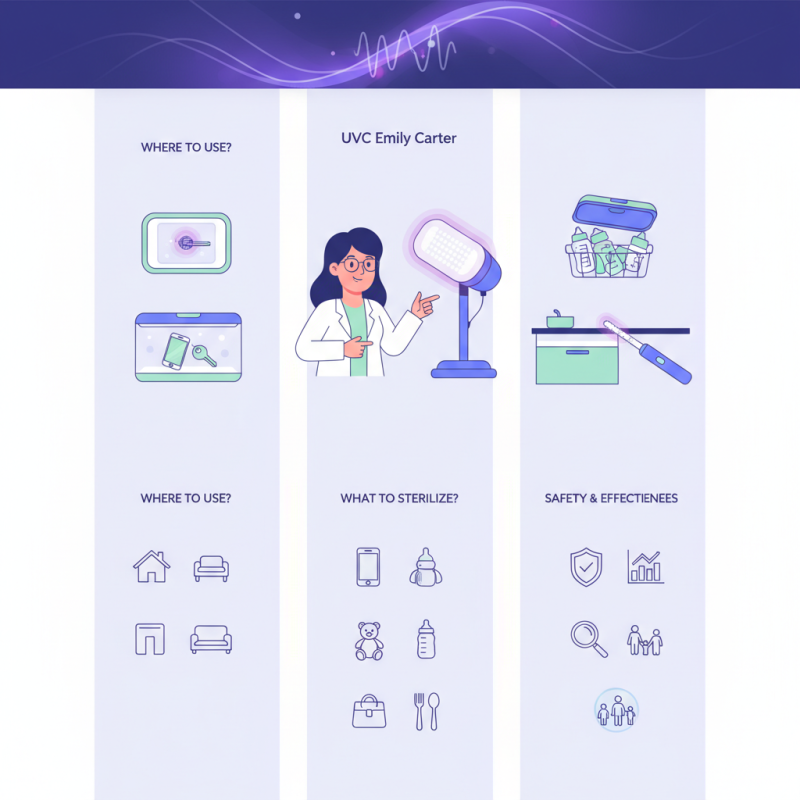
Choosing the right UVC steriliser for your home is crucial in today's health-conscious world. Dr. Emily Carter, a leading expert in UV technology, states, “A well-chosen UVC steriliser can dramatically reduce harmful pathogens.” With many options available, making the choice can be confusing.
UVC sterilisers vary widely in features and effectiveness. Some are compact for small spaces, while others are ideal for larger areas. Consider where you want to use it. Think about the typical items you want to disinfect. Will you use it for gadgets, toys, or perhaps kitchen utensils?
While UVC sterilisers promise sterilization, not all meet safety standards. It's essential to choose one that aligns with your home’s needs. Research is key. Look for reviews and test results. A UVC steriliser should be both effective and user-friendly. Cut through the noise, and make a choice that prioritizes your family's safety.
Understanding UVC Sterilisation: Benefits and Limitations for Home Use
UVC sterilisation has gained attention for home use. It promises effective disinfection, harnessing the power of ultraviolet light. This technology can kill germs, viruses, and bacteria on surfaces and in the air. However, understanding its benefits and limitations is essential for smart choices.
One significant benefit is its ability to reduce harmful pathogens effectively. UVC devices can serve various purposes; sanitising kitchen counters, toys, and even certain electronics. Yet, their effectiveness depends on exposure time and surface cleanliness. If surfaces are dirty, UVC may not work well. Also, UVC light can harm skin and eyes. Safety precautions are crucial during use. Users must ensure no direct exposure occurs.
Moreover, not all UVC sterilisation devices are created equal. Some may promise more than they can deliver. Users must check for certifications and real user reviews. Remember, the devices won’t eliminate the need for regular cleaning. Effectiveness varies based on the environment and usage patterns. It's important to stay informed and cautious when integrating UVC sterilisation into daily routines.
How to Choose the Right UVC Steriliser for Your Home Usage?
| Criteria |
Details |
| Type of UVC Steriliser |
Portable, Fixed Installation, or Handheld |
| Effectiveness |
Destroys up to 99.9% of bacteria and viruses |
| Safety Features |
Automatic shut-off, Safety sensors |
| Coverage Area |
Room size, square footage it can cover |
| Power Source |
Battery operated, AC power, USB charging |
| Price Range |
$50 - $300 depending on features |
| Maintenance |
Bulb replacement, cleaning requirements |
| Brand Recommendations |
User reviews and ratings to consider |
| Warranty |
Duration of warranty and coverage |
Key Factors to Consider When Selecting a UVC Steriliser for Your Home
Choosing the right UVC steriliser for home use involves important factors. One of the first considerations is the UVC output intensity. According to the CDC, a UVC steriliser should have an intensity of at least 254 nm to effectively kill germs. The design also matters. For instance, devices with reflective surfaces maximize light exposure and increase efficiency.
Another factor is the coverage area. Reports suggest that a steriliser should match the size of the space intended for use. If a unit is too small, it won't provide adequate sterilisation. Conversely, an oversized steriliser might waste energy and have diminished returns. It is essential to measure your area correctly.
Portability is another feature worth reflecting on. Some models are lightweight and easy to move, but they may sacrifice efficacy. Others are bulky but robust. Be cautious about the placement. Walls and furniture can block UVC rays, reducing effectiveness. Regular maintenance is key as well. Dust can accumulate on surfaces, hindering performance. A well-informed choice enhances safety, but it's crucial to evaluate personal needs and space limitations.
Comparative Analysis of Different Types of UVC Sterilisers Available
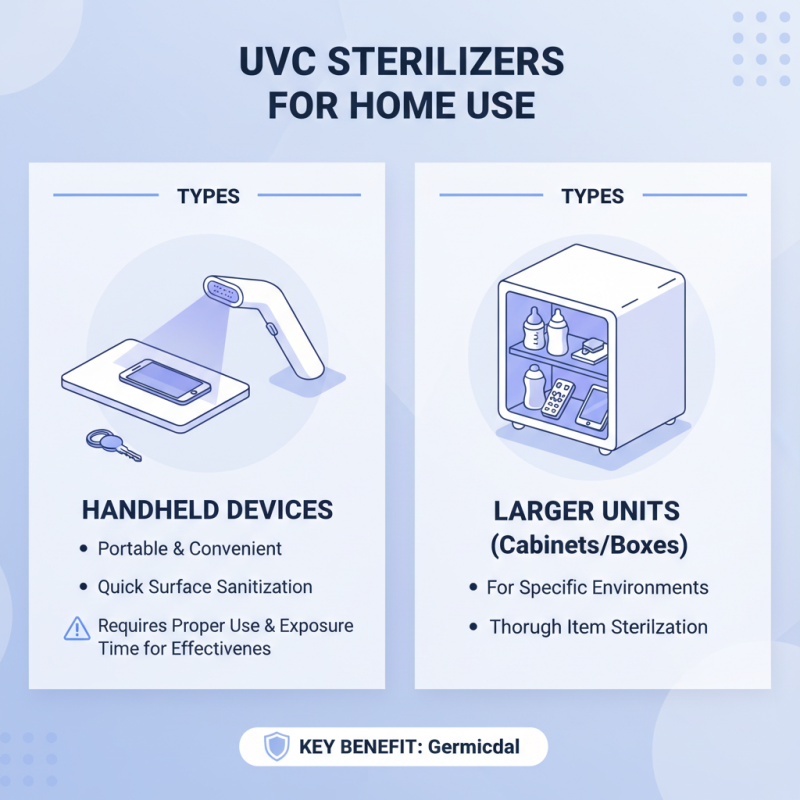
When selecting a UVC steriliser for home use, understanding the different types available is crucial. UVC sterilisers range from handheld devices to larger units designed for specific environments. Handheld models are portable and convenient, allowing for quick sanitisation of surfaces and items. However, their effectiveness depends on proper use and the duration of exposure to the UVC light.
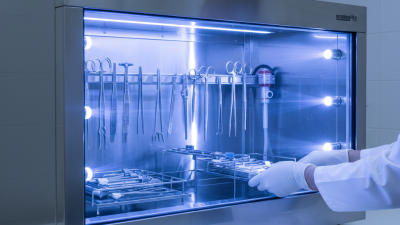
Box-style sterilisers are another popular option. They offer a closed environment for disinfecting various items. Many users find them effective for keys, phones, and masks. Yet, these units can be limited by their size and may not accommodate larger objects. Additionally, users often overlook the importance of ensuring that all surfaces are exposed to the UVC light for optimal results.
While considering your needs, reflect on your lifestyle. Will you regularly sanitise smaller items? Or do you need a system for larger surfaces? Each type has unique advantages and common challenges. The best choice often lies in a blend of convenience, effectiveness, and size suitability. It’s important to troubleshoot and adjust usage practices for full potential, ensuring you create a truly safe environment.
Evaluating the Effectiveness of UVC Sterilisers: Industry Standards and Data
When considering UVC sterilisers for home use, effectiveness is paramount. Industry standards help guide consumers in making informed choices. UVC light kills many pathogens, but not all. The effectiveness of these devices often depends on exposure time and the distance from surfaces.
It's essential to look for sterilisers that meet established safety and efficacy benchmarks. Check for reliable certifications. Ideally, you want devices that have been tested in real-world conditions. Yet, some users report mixed results despite using compliant products. Factors like dirt on surfaces can hinder efficacy.
Additionally, think about the size of the area you intend to sterilise. Compact devices may struggle in larger rooms. UVC light also poses risks. It can harm skin and eyes. Balancing effectiveness with safety is crucial. Assessing your space and understanding limitations will lead to better choices. Keep in mind, not all sterilisers suit every environment. Thoughtful evaluation is key.
Effectiveness of UVC Sterilisers Compared to Other Sterilisation Methods
This chart illustrates the effectiveness of various sterilisation methods, with UVC Sterilisers showing the highest effectiveness at 99%. Chemical disinfectants, heat sterilisation, and filtration systems follow with 90%, 95%, and 85% effectiveness, respectively.
Safety Guidelines and Best Practices for UVC Steriliser Usage at Home
When selecting a UVC steriliser for home use, safety is paramount. UVC light can harm skin and eyes. The World Health Organization emphasizes proper usage guidelines to mitigate risks. Always keep UVC devices away from direct exposure to living beings. Use protective gear as an added layer of safety.
Data shows that UVC light can kill up to 99.9% of germs in just a few seconds. However, improper usage can lead to ineffective sterilisation. It's crucial to understand the limitations of your device. Ensure that the surface being sterilised is clean and free from dust. UVC light only disinfects what it directly touches.
Regular maintenance is often overlooked. Dust and debris can reduce the effectiveness of the UVC source. Periodically check and replace bulbs according to the manufacturer's recommendations. Neglecting this can lead to false security. Keep a log to track when maintenance was last performed. Your health deserves attention to these details.