DL-Methionine Benefits Uses and Tips for Supplementing?
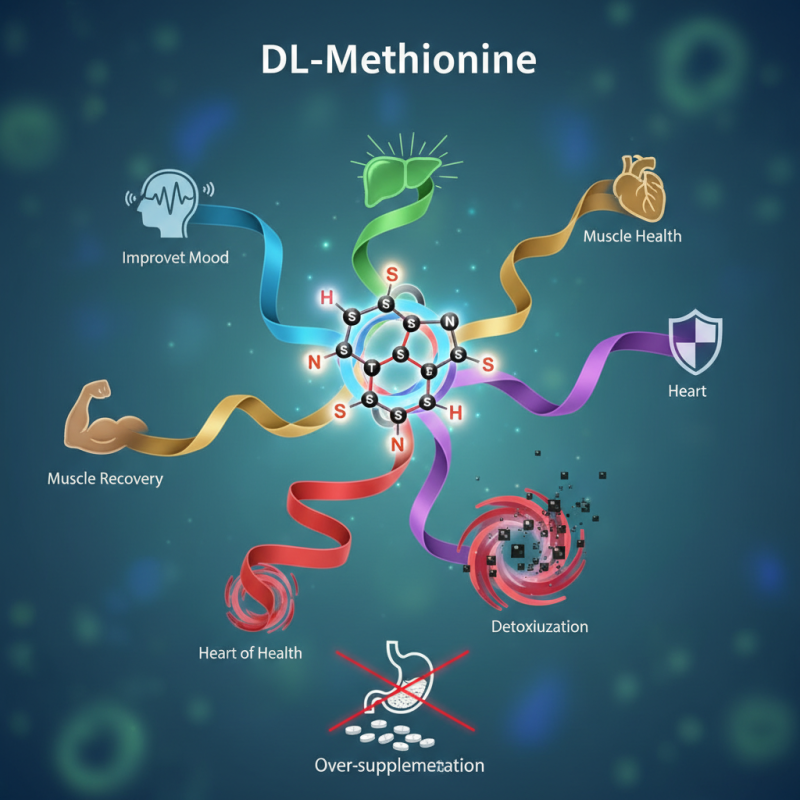
DL-Methionine is an essential amino acid that plays a crucial role in human health. This compound, a sulfur-containing amino acid, is vital for protein synthesis. Many individuals seek to supplement with DL-Methionine for its numerous benefits. It may help improve mood, support liver health, and enhance overall metabolic function.
For those considering DL-Methionine supplementation, there are various uses to explore. Athletes may find it beneficial for muscle recovery and growth. Moreover, it can assist in detoxifying harmful substances from the body. Some studies suggest that it may even aid in reducing homocysteine levels, promoting heart health.
However, it's not all straightforward. Over-supplementation can lead to negative effects, such as nausea or gastrointestinal discomfort. It's essential to find the right dosage tailored to individual needs. Listening to your body is key. Be mindful and reflect on how DL-Methionine affects you personally.
Benefits of DL-Methionine: An Overview of Its Health Impact
DL-Methionine is an essential amino acid that plays a vital role in many bodily functions. It is a building block for proteins and supports the synthesis of important molecules such as cysteine and taurine. Many people can benefit from adding DL-Methionine to their diet, especially those looking to support liver health or boost their antioxidant defenses.
Incorporating DL-Methionine can enhance your body’s natural detoxification processes. It has been linked to improved mood and cognitive function, which can be beneficial for those dealing with stress. When supplementing, it’s important to consider your individual health goals. Balancing your intake with other nutrients is crucial.
If you decide to supplement, start with a small dose. Monitor how your body responds. It may take time to feel its benefits. Always consult with a healthcare provider when beginning any new supplement. Keep a food journal to track changes. This can help you reflect on its effects. Maintaining a balanced approach is key to developing a healthy routine.
Common Uses of DL-Methionine in Dietary Supplements
DL-Methionine is a vital amino acid often included in dietary supplements. It plays a significant role in protein synthesis and various metabolic processes. Studies show that methionine can support liver health and act as an antioxidant. A report from the Journal of Nutritional Biochemistry highlights its effectiveness in reducing oxidative stress. This could enhance overall wellness, making it a popular choice for supplementation.
Common uses of DL-Methionine in dietary supplements include promoting skin health and aiding joint function. Research indicates that it may help improve skin elasticity and reduce the signs of aging. For athletes, DL-Methionine can support muscle recovery post-exercise. A study published in the International Journal of Sports Nutrition noted improvements in recovery times among athletes using methionine.
When supplementing with DL-Methionine, consider these tips. Start with small doses to gauge your body’s response. Monitor for any adverse reactions. Also, combining it with a balanced diet enhances its effectiveness. Lastly, consult a healthcare professional before starting supplementation. It’s essential to reflect on your individual needs. Personal reactions can vary widely, so choose wisely.
DL-Methionine Benefits, Uses, and Tips for Supplementing
| Dimension | Details |
| Common Uses | Supports liver function, antioxidant properties, and aids in detoxification. |
| Health Benefits | May help reduce homocysteine levels, support muscle recovery, and improve mood. |
| Recommended Dosage | Typically 500-1500 mg per day, best taken with meals. |
| Potential Side Effects | Nausea, diarrhea, and allergic reactions in some individuals. |
| Supplement Form | Available as capsules, tablets, and powders. |
| Best Time to Take | Ideally in the morning or before exercise for optimal absorption. |
How to Effectively Supplement with DL-Methionine
When considering DL-Methionine supplementation, understanding effective methods is crucial. Research indicates that DL-Methionine can play a role in promoting liver health and muscle recovery. A study published in the Journal of Nutritional Biochemistry found that regular intake can enhance antioxidant status.
To supplement effectively, start with small doses. Common recommendations suggest a beginning dose of 500 mg, taken once or twice daily. It’s vital to assess how your body responds. Tracking energy levels and any side effects is important. An excessive intake might lead to gastrointestinal discomfort, which can deter progress.
Timing also matters in supplementation. Taking DL-Methionine before meals may help maximize benefits. It encourages better absorption when the stomach is relatively empty. Consistency is key, but don’t forget to re-evaluate your approach. A balanced diet can often provide enough methionine for some individuals. Consider consulting a healthcare professional for personalized advice. This ensures safety and optimal results as you navigate your supplementation journey.
Recommended Dosages and Safety Considerations
When considering DL-Methionine supplementation, understanding the proper dosages is crucial. The recommended dose generally ranges between 500 mg to 1000 mg per day. This varies based on individual health needs and goals. Consulting a healthcare professional is essential to determine the appropriate dosage tailored to your situation.
Safety is a key factor with DL-Methionine. Long-term use may lead to imbalances in certain amino acids. Over-supplementation can cause digestive issues and even mood fluctuations. It's vital to monitor how your body reacts. Some people may experience side effects, while others may not notice any difference.
Tips for using DL-Methionine include taking it on an empty stomach. This enhances absorption and effectiveness. Mixing it with water or juice can also make it easier to consume. Keep track of your dosage and any changes in your body. Reflect on whether you’re feeling the benefits. Documenting this can help guide future supplementation decisions.
Potential Side Effects and Interactions of DL-Methionine
DL-Methionine can have potential side effects that users should consider. Some individuals may experience gastrointestinal issues, such as nausea or diarrhea. These reactions can vary by person and dosage. It is crucial to start with a lower dose and monitor how your body responds.
Another concern involves interactions with other supplements or medications. DL-Methionine may affect the absorption of certain nutrients. Individuals taking other amino acids or folic acid should be cautious. Excess use could lead to an imbalance in amino acid levels, which may create more health issues.
To minimize risks, it is advisable to consult a healthcare professional before starting any supplementation. They can provide essential guidance tailored to your health history. Individual circumstances matter significantly, and what works for one person may not work for another. Be sure to reflect on your diet and lifestyle before making changes.