Ultimate Tips for Using UVC Light Sterilizer Effectively?
The effectiveness of a UVC light sterilizer has become increasingly vital in today’s health-conscious world. Dr. Emily Harper, a leading expert in microbiology, once stated, “UVC light can eliminate up to 99.9% of harmful pathogens when used correctly.” This highlights the importance of proper usage for maximum benefit.
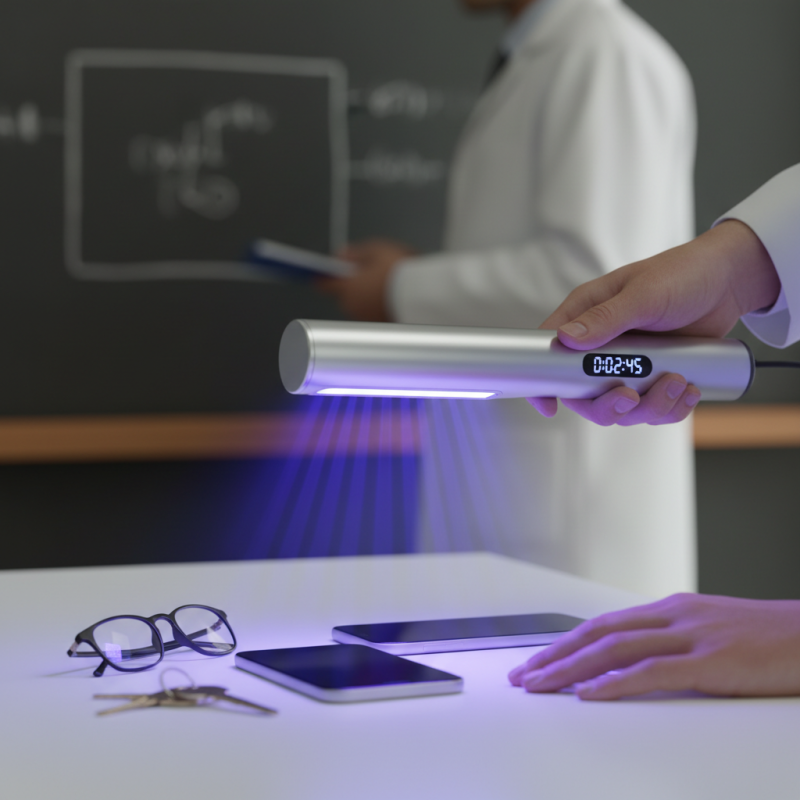
When using a UVC light sterilizer, positioning and distance matter greatly. Ensure that the light reaches all surfaces without obstruction. However, one common mistake is underestimating the time needed for thorough sterilization. It’s not just a matter of pressing a button.
Understanding the specific requirements of your UVC light sterilizer is crucial. Often, users overlook important guidelines, leading to ineffective sterilization. This neglect can have real consequences in maintaining a safe environment. Being aware of these common pitfalls will elevate your UVC sterilization practices.
Understanding UVC Light Sterilizers: How They Work and Their Benefits
UVC light sterilizers have gained popularity for their ability to eliminate pathogens. They use ultraviolet light to disrupt the DNA of bacteria and viruses, effectively rendering them inactive. This makes UVC technology a powerful tool in sanitation. The effectiveness of these devices largely depends on the exposure time and intensity of the light.
When using UVC sterilizers, it’s crucial to ensure that the light can reach the surfaces effectively. Shadows can hinder the process, so placing items correctly is essential. Some users may overlook this, leading to incomplete sterilization. Additionally, the duration of exposure should not be underestimated. A simple five-minute exposure may not suffice for all items. It’s often advisable to refer to guidelines to maximize effectiveness.
Understanding safety protocols is also important. UVC light can harm skin and eyes, so precaution is necessary. Users must wear protective gear and avoid direct exposure. Reflecting on these safety aspects is vital for a comprehensive approach to using UVC sterilizers. Careful attention to these details will enhance its benefits while minimizing risks.
Choosing the Right UVC Light Sterilizer for Your Needs
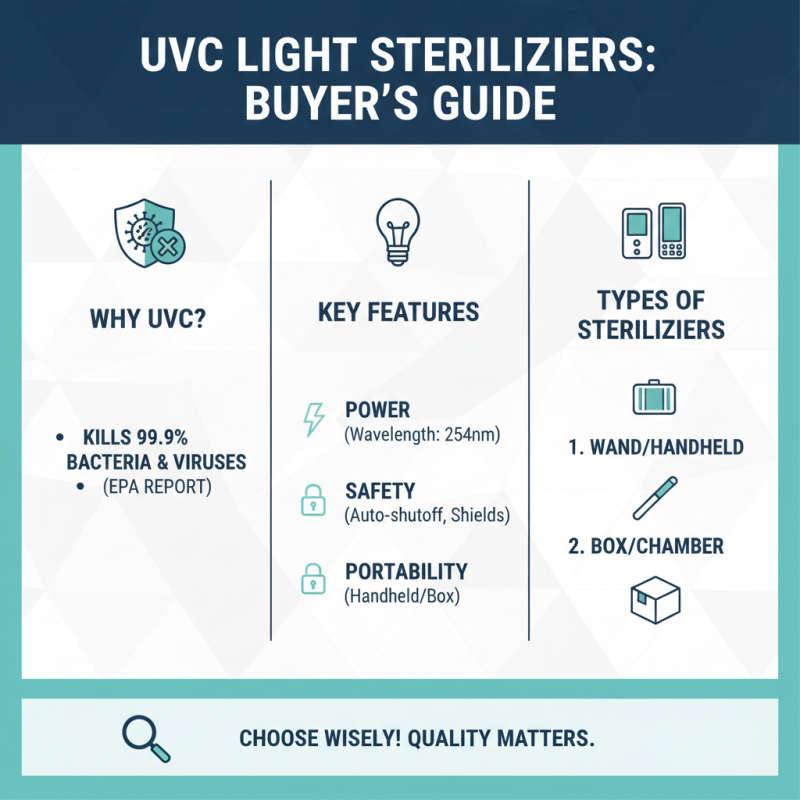
Choosing the right UVC light sterilizer can be daunting. With various models available, understanding their features is crucial. According to a report by the Environmental Protection Agency (EPA), UVC light is effective in killing up to 99.9% of bacteria and viruses. This statistic highlights the importance of selecting a high-quality sterilizer.
Consider the size and intensity of the UVC light. For home use, smaller units can suffice. However, larger spaces require more powerful devices. A study by the Centers for Disease Control and Prevention (CDC) noted that improper UVC light application can lead to insufficient sterilization. It's vital to follow recommended exposure times for different surfaces.
Additionally, compatibility matters. Some sterilizers work best on certain materials. Research suggests that plastic surfaces may absorb UVC differently than metal. This variability can affect sterilization outcomes, making it essential to test appropriately. Users should also be mindful of safety precautions; direct exposure can harm skin and eyes. Understanding these nuances can enhance your sterilization efforts significantly.
Best Practices for Preparing Surfaces Before UVC Sterilization
Before using a UVC light sterilizer, it’s essential to prepare surfaces properly. Clean surfaces thoroughly with soap and water. Dust and grime can block UVC light, reducing its effectiveness. Even a small layer of dirt can hinder sterilization. Use microfiber cloths to ensure no residues are left behind.
After cleaning, ensure surfaces are dry. Moisture can absorb UVC light, making it less effective. Wipe down surfaces with a dry cloth. Pay attention to frequently touched areas, as they often harbor more germs. It’s easy to overlook the tiny crevices, though they are critical.
Don't forget to assess the angles. UVC light works best when directed properly. Shadows can prevent the light from reaching certain spots. Take a moment to adjust the position of the sterilizer. Reflect on your cleaning habits before using UVC light. You might be surprised by areas you often neglect.
Safe Handling and Usage Guidelines for UVC Light Sterilizers
When using UVC light sterilizers, safety should always come first. UVC light can harm skin and eyes. Always wear protective goggles and gloves during operation. Keep pets and children away from the sterilization area. Use the device in an empty room or outdoors to minimize exposure risk. The effectiveness of UVC light depends on the distance from the surface. Closer proximity allows for better sterilization but increases risk.
Proper handling is essential. Ensure the sterilizer is in good condition. Inspect for cracks or damage before each use. The surface being treated must be clean. Dust or grime can block the UVC rays from reaching the germs. Aim for a direct line of sight between the light and the surface for maximum effectiveness.
Follow manufacturer instructions. Each device has specific power levels and exposure times. Overuse can reduce its lifespan, and improper use can cause harm. Document your usage and any issues. This will help you identify patterns or unsafe practices. Reflect on your experience to improve future sanitization efforts. Ultimately, safety and effectiveness go hand in hand with proper handling of UVC light sterilizers.
Effectiveness of UVC Light Sterilizers on Different Surfaces
Common Mistakes to Avoid When Using UVC Light Sterilizers
When using UVC light sterilizers, avoid several common mistakes. One major error is not ensuring direct exposure. UVC light needs to shine directly on surfaces for effective sterilization. If objects are obstructed, bacteria may survive. Stacking items haphazardly can also block the light. Always arrange items with space between them.
Another frequent mistake involves ignoring safety precautions. UVC light can harm your skin and eyes. It’s crucial to use protective eyewear and never look directly at the light. Also, ensure pets and children are away during the sterilization process. Some users neglect to check the distance between the light and objects. Too far away, and the UVC light may not be effective.
Finally, a lack of consistency can lead to ineffective sterilization. Following a set schedule for use can help. Regular maintenance of the device is essential, too. Dust and grime can inhibit performance. Users sometimes forget to clean the bulb, which reduces its effectiveness over time. Each of these mistakes can undermine the benefits of using UVC light sterilizers. Reflection on these points can lead to better practices.