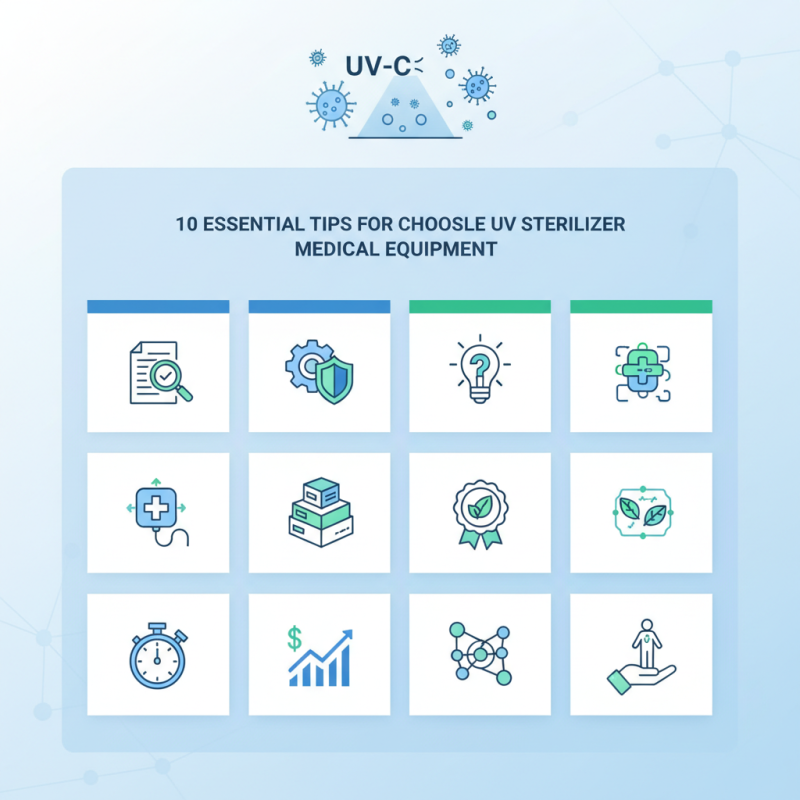
10 Essential Tips for Choosing UV Sterilizer Medical Equipment
When selecting UV sterilizer medical equipment, several factors come into play. Understanding these can make a significant difference in efficiency and safety. With the rise in infections, choosing the right sterilization method is crucial.
UV sterilizers use ultraviolet light to eliminate harmful microorganisms. They are increasingly popular in medical settings due to their effectiveness. However, not all UV sterilizer medical equipment is created equal. Variations in design and technology can impact performance.
Making an informed choice involves knowing the specific needs of your facility. It's essential to research available options, focusing on reliability and compliance with safety standards. Taking the time to evaluate multiple products can lead to better outcomes. Remember, investing in quality equipment is investing in patient safety.
Understanding UV Sterilization: Basics and Benefits
UV sterilization is a powerful technology used in medical settings. It effectively kills bacteria, viruses, and fungi. Ultraviolet light disrupts the DNA of microorganisms. This prevents them from reproducing and infecting patients. Hospitals and clinics use UV sterilizers to enhance safety.
Many benefits come with using UV sterilization. It's chemical-free and leaves no residue. This makes it safe for various medical tools and surfaces. Quick and efficient, UV sterilizers can treat items in minutes. However, one must ensure equipment is properly maintained. Poor maintenance can reduce effectiveness. Regular checks are essential.
Education on UV sterilizers is crucial. Understanding different wavelengths helps in selecting the right equipment. Always follow safety protocols when using UV light. This ensures both effectiveness and user safety. A solid grasp of UV technology helps in making informed decisions. Poor choices can compromise patient safety and hygiene, underlining the importance of research and expertise.
Key Factors to Consider When Selecting Medical UV Sterilizers
When selecting UV sterilizers for medical use, several key factors demand attention. First, the effectiveness of the UV light in eliminating pathogens is paramount. Studies indicate that UV-C light at 254 nm effectively kills 99.9% of bacteria and viruses. However, not all devices harness this wavelength. A thorough review of the product specifications will reveal its capabilities.
The surface area coverage and design of the sterilizer are equally important. Many devices fail to penetrate shadows or areas that are not directly exposed to UV light. A 2022 report found that up to 30% of bacteria can survive in poorly designed systems. Additionally, consider the ease of use and maintenance. A sterilizer that requires frequent manual cleaning may reduce compliance in a clinical setting.
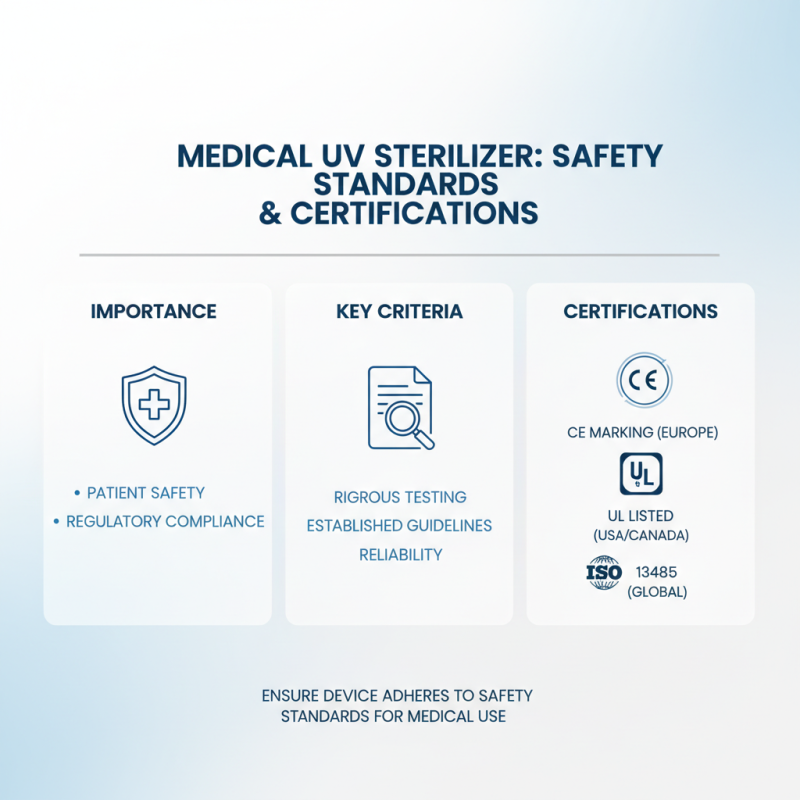
Finally, consider the regulatory standards that the equipment meets. Compliance with recognized safety standards, such as ANSI/AAMI and ISO certifications, highlights the manufacturer's commitment to quality and safety. Inconsistent adherence to these standards can lead to inadequate sterilization, which is a critical oversight in a medical environment. By taking into account these elements, healthcare facilities can make informed decisions about UV sterilizers.
Evaluating the Effectiveness of UV Sterilization in Healthcare Settings
When assessing UV sterilization effectiveness, clarity is paramount. UV-C light has demonstrated a 99.9% reduction in pathogens within seconds. This data reflects research from the Centers for Disease Control and Prevention (CDC). It highlights that UV sterilizers can effectively eliminate harmful bacteria, viruses, and fungi in healthcare environments. However, user error can diminish these results.
Room surface irradiation is crucial. Shadows and obstructions reduce UV light exposure, thereby lowering effectiveness. Research revealed that in real-world settings, only about 80% of surfaces receive adequate sterilization. Healthcare facilities must conduct regular assessments to ensure optimal positioning of sterilizers.
Reliability hinges on consistent maintenance and training staff. According to the World Health Organization (WHO), misapplication of UV sterilizers can lead to false security. Regular audits can identify areas for improvement. Organizations must recognize the challenges in implementation and be willing to adjust their protocols.
Effectiveness of UV Sterilization in Healthcare Settings
This chart illustrates the effectiveness of UV sterilization across different healthcare facilities. The effectiveness percentages indicate how successfully each facility utilizes UV sterilization technology in their infection control protocols.
Maintenance and Care Tips for Long-lasting UV Sterilization Equipment
Maintaining UV sterilization equipment is vital for effective operation. Regular cleaning is essential to keep the equipment free from dust and debris. Use a soft cloth and appropriate cleaning solutions to wipe down surfaces. This prevents buildup, which can hinder performance. Remember to check the UV bulbs. They have a limited lifespan and should be replaced accordingly.
Calibration of the device is another often overlooked aspect. Ensure that the UV intensity is measured regularly. Poor intensity can lead to inadequate sterilization. Document these checks in a log for accountability. Training staff on equipment use and signs of malfunction can prevent long-term issues. Encourage them to report any irregularities immediately.
Finally, ensure proper storage of the sterilizer when not in use. It should be kept in a clean, dry place. Humidity can damage electrical components. It’s easy to forget the small things, but they matter. Reflect on your current maintenance protocols and adjust them as necessary. Frequent reviews can enhance the reliability of your UV sterilization processes.