10 Essential Tips for Using Ultraviolet C Safely and Effectively?
Ultraviolet C (UVC) light has gained attention for its disinfecting capabilities. This technology is particularly relevant due to the ongoing emphasis on public health. UVC can eliminate bacteria and viruses, potentially creating safer environments. However, safety is paramount when using Ultraviolet C.
Using UVC requires understanding both its benefits and risks. Direct exposure to skin can lead to harm. Protective measures are necessary to prevent damage. Effective application involves knowing the correct dosage and duration of exposure. Overexposure may not yield better results.
Incorporating UVC in daily routines could be life-changing. Yet, it is not without challenges. Users may underestimate its power. Misuse can lead to significant consequences. Thoughtful consideration and proper practice are essential when harnessing the potential of Ultraviolet C.
Understanding Ultraviolet C: What You Need to Know
Ultraviolet C (UVC) is a type of ultraviolet light with potent germicidal properties. It is commonly used to disinfect surfaces and air. Unlike UVA and UVB, UVC has a shorter wavelength and is mostly absorbed by the earth’s atmosphere. This makes it effective for killing bacteria and viruses. However, understanding its use is crucial for safety.
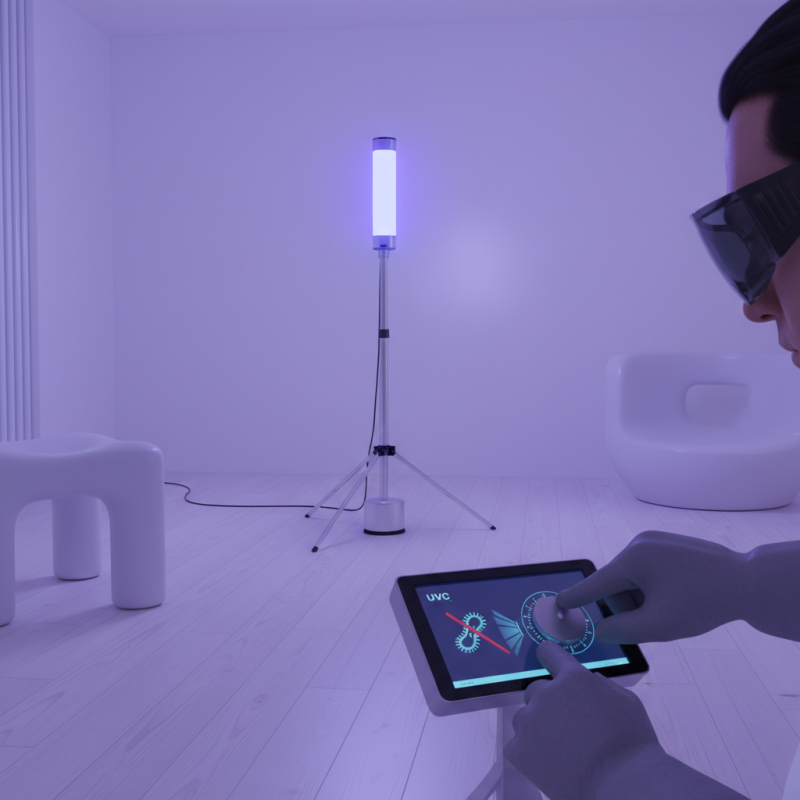
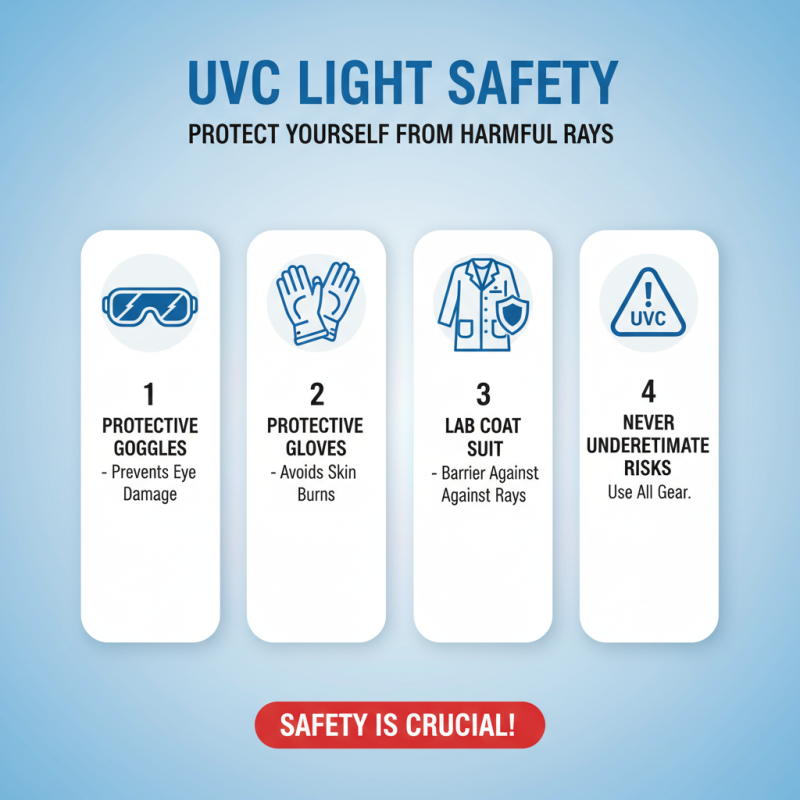
When using UVC, it’s important to remember that it can be harmful to skin and eyes. Direct exposure should be avoided. Many people overlook this risk. They often assume that because it is used for disinfection, it is completely safe. Safety measures, such as protective gear, should be in place.
The equipment used for UVC can malfunction. Regular maintenance is vital. Failure to do so can lead to overexposure or inefficient disinfection. Proper training for users is necessary but often neglected. Many users might feel confident, yet they lack essential knowledge. It's critical to understand what UVC can and cannot do. There is still ongoing research, and it's important to stay updated on new findings.
Best Practices for Disinfection Using UVC Technology
Ultraviolet C (UVC) technology has gained traction as a powerful disinfection tool. It’s effective against pathogens like bacteria and viruses. For instance, a 2020 report from the CDC showed that UVC light can reduce viral contamination by over 99% in just a few minutes. This efficiency makes it popular in healthcare settings.
Using UVC safely requires diligence. Many facilities often overlook essential safety measures. Direct exposure to skin or eyes can be harmful, risking burns or long-term damage. Reports indicate a rise in accidental injuries related to UVC misuse. Proper shielding and automatic shut-off systems can mitigate these risks. Regular maintenance of UVC equipment is crucial for optimal performance. Dust and grime can obstruct light, reducing its effectiveness.
Furthermore, not every surface is UVC safe. Some materials may degrade under UVC light. Awareness of such interactions is vital for effective disinfection. Testing different surfaces can lead to better practices. Collecting data on UVC effectiveness across various materials could provide insights into optimizing disinfection protocols. As UVC usage increases, continued research is essential to ensure both safety and efficacy.
Monitoring and Evaluating UVC Exposure Levels
Monitoring UVC exposure levels is crucial for safety. Regular checks can prevent overexposure. It can be helpful to use personal dosimeters. These devices give immediate feedback on exposure levels. This real-time information is vital, especially in work environments with high UVC usage.
Establishing safe exposure limits is necessary for everyone involved.
In outdoor settings, natural sunlight can contribute to UVC exposure. Awareness of your surroundings is key. Use apps to monitor UV levels in real time. You may notice fluctuations based on the time of day. It’s easy to overlook these changes and assume safety. Periodic evaluations of equipment output are essential. What worked last week might not be safe today.
Reviewing your exposure log is a good practice. Documents like these can reveal patterns. Sometimes, we may think we're safe, but accumulated exposure tells another story. Take time to reflect on both individual and group exposure levels. This can lead to better practices. Regular discussions among team members can help identify potential risks.
Tips for Maintenance and Proper Use of UVC Devices
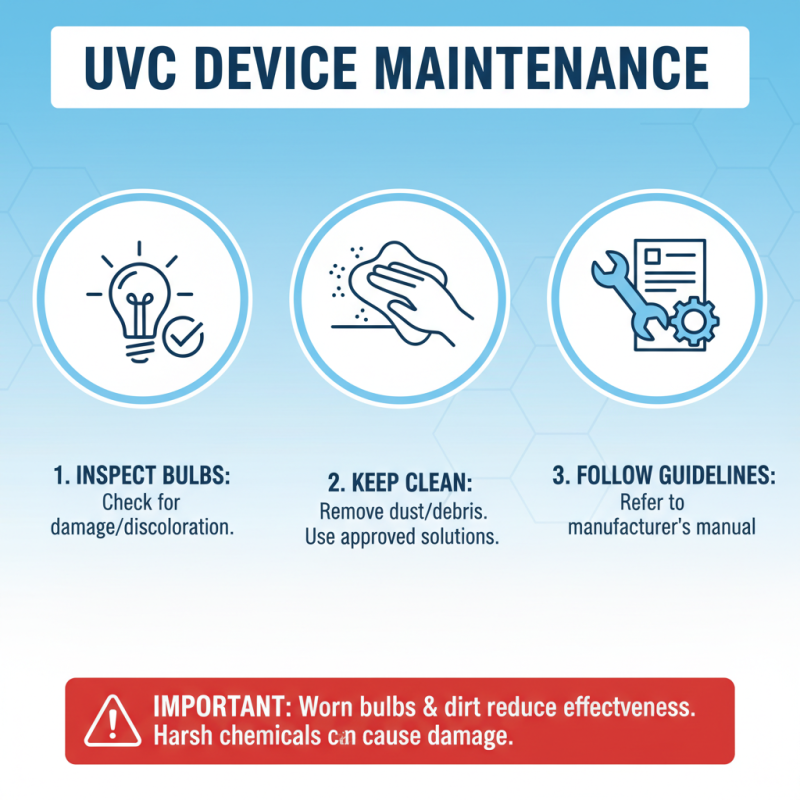
When using Ultraviolet C (UVC) devices, maintenance is crucial for safety and effectiveness. Regularly inspect the bulbs for any damage or discoloration. A worn-out bulb can diminish the effectiveness of UVC lighting. Ensure the device is clean. Dust and debris can block UV rays, reducing sanitation capabilities. Check the manufacturer's guidelines for cleaning solutions. Some are too harsh and can damage the device.
Proper positioning of UVC devices is essential. Keep them away from direct sunlight. Sunlight can interfere with how well the device works. Make sure they are placed in areas where they can reach all surfaces effectively. Create a schedule for usage to ensure maximum exposure. UVC light works best in a controlled environment, where people and pets are not present. Always remember, human skin and eyes are sensitive to UV light.
Lastly, consider the wear and tear on components. Regular functionality checks can save future headaches. Analyze the output regularly to ensure it meets safety standards. Making notes on performance can highlight when maintenance is needed. Reflecting on these aspects can greatly improve UVC effectiveness and safety in your routine.