2026 How to Maximize Efficiency with UVC Disinfection Robots?
In the ever-evolving landscape of public health, UVC disinfection robots have emerged as powerful allies. Dr. Emily Harrison, a leading expert in robotics and disinfection technologies, states, "UVC disinfection robots can dramatically reduce the risk of transmission in hospitals and public spaces." This insight underscores the importance of maximizing the efficiency of these innovative machines.
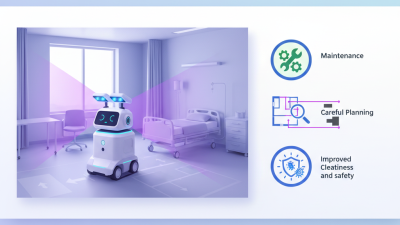
UVC disinfection robots work by emitting ultraviolet light, effectively neutralizing pathogens. However, their operational efficiency can be influenced by several factors. For instance, ensuring the robot has clear pathways and optimal settings can enhance its performance. Additionally, it is crucial to examine the coverage areas. Many facilities still struggle with corners and hidden spots, where pathogens may linger unnoticed.
While UVC disinfection robots show great promise, challenges remain. Users must regularly maintain the equipment for peak functionality. Training staff to operate these robots efficiently is equally essential. With thoughtful integration and continuous assessment, the potential of UVC disinfection robots can be fully realized, leading to cleaner, safer environments.
Understanding UVC Disinfection Robots and Their Technology
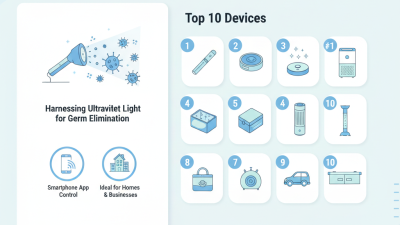
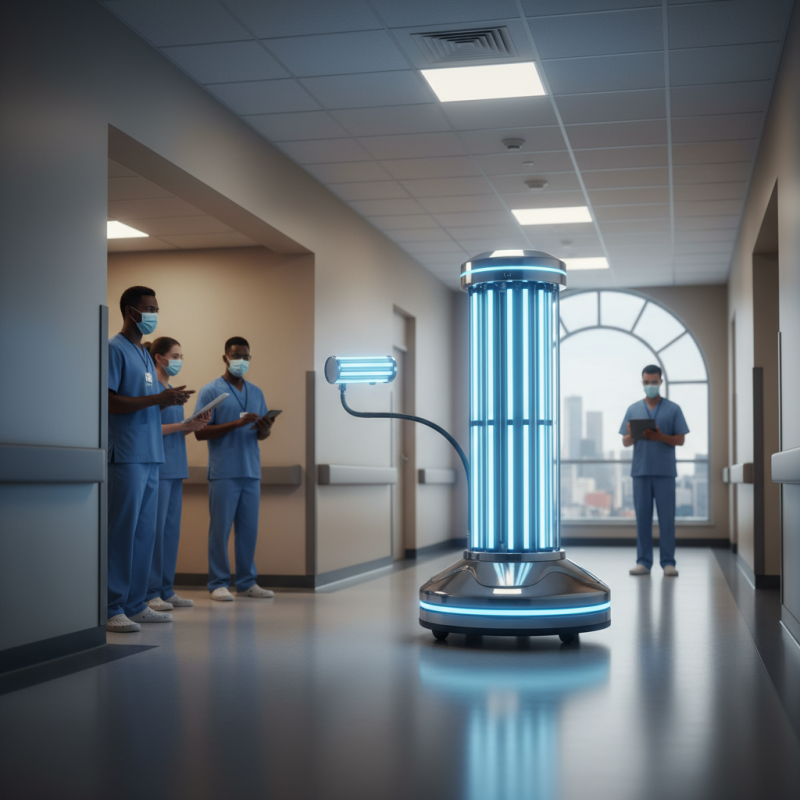
UVC disinfection robots utilize ultraviolet light to eliminate pathogens from surfaces. Their technology is based on germicidal UV-C light, which disrupts the DNA of microorganisms. This process renders them unable to reproduce, effectively killing bacteria and viruses. The robots navigate through spaces, using sensors and mapping technology to ensure thorough disinfection.
While UVC robots are effective, they are not infallible. Shadows or obstructions can hinder their ability to sanitize completely. Operators need to ensure that these areas are addressed manually. Moreover, the robots require regular maintenance to operate at peak efficiency. Routine checks on their UVC lamps and battery life are crucial. Although they can cover large areas quickly, relying solely on automation may overlook human factors in hygiene practices.
Implementing UVC disinfection robots also requires staff training. Employees must understand how to use these machines properly and recognize their limitations. Feedback is essential for continuous improvement. Without a clear strategy, the integration of robots may fall short of desired outcomes. Balancing technology with effective human oversight can lead to more reliable disinfection efforts.
2026 How to Maximize Efficiency with UVC Disinfection Robots?
| Feature |
Description |
Efficiency Impact |
| UVC Light Wavelength |
Typically operates around 254 nm, effective against bacteria and viruses. |
High efficacy in reducing pathogen load. |
| Mobility |
Autonomous navigation using sensors and mapping technology. |
Increases coverage area and minimizes manual labor. |
| Operational Time |
Can operate continuously for several hours depending on battery capacity. |
Maximizes disinfection cycles during off-peak hours. |
| Safety Features |
Includes motion sensors to avoid contact with people. |
Ensures safe operation in occupied spaces. |
| Data Analytics |
Monitors effectiveness and logs disinfection sessions. |
Improves accountability and operational strategies. |
Key Benefits of Implementing UVC Disinfection Robots in Facilities
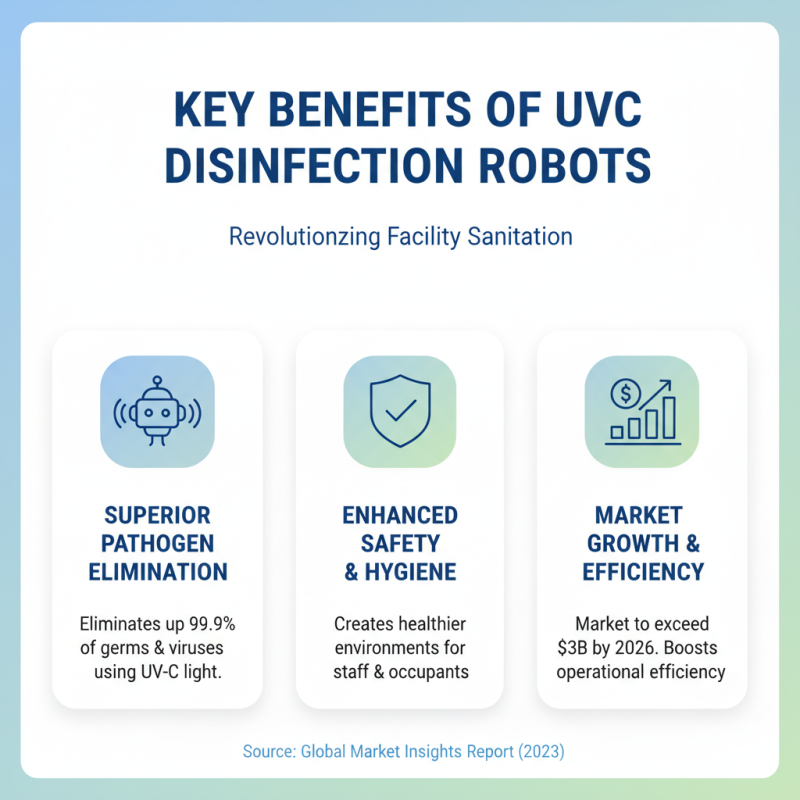
UVC disinfection robots are revolutionizing facility sanitation. In a recent report by the Global Market Insights, the UVC disinfection market is projected to exceed $3 billion by 2026. This growth stems from an increased awareness of infection control in various industries, including healthcare and hospitality. UVC robots utilize ultraviolet light to eliminate up to 99.9% of pathogens on surfaces. This efficiency is vital as facilities seek to maintain safe environments.
Implementing UVC robots not only enhances cleanliness but also boosts staff productivity. According to a study from the Journal of Hospital Infection, traditional cleaning methods often fail to reach all surfaces. UVC robots can cover large areas in a fraction of the time, allowing human staff to focus on more intricate tasks. Additionally, they reduce the risk of human error, a common concern in manual disinfection processes.
However, there are challenges in adoption. Training staff to integrate robots into existing cleaning protocols is essential but can be overlooked. Maintenance of the robots also requires regular attention to ensure consistent performance. While UVC robots offer significant benefits, reflection on these gaps is crucial for successful implementation. Investing in education about their proper use will be beneficial in the long run.
Strategies for Integrating UVC Disinfection Robots into Daily Operations
UVC disinfection robots are transforming how we maintain hygiene in various sectors. Their integration into daily operations can enhance efficiency significantly. According to recent studies, UVC light can eliminate up to 99.9% of bacteria and viruses within minutes. This rapid disinfection capability is vital for hospitals, schools, and public spaces.
When integrating UVC robots, staff training is essential. Employees should understand how to operate these devices safely. Training improves confidence and ensures maximum effectiveness. Regular assessments can highlight areas for improvement. For instance, measuring disinfection results weekly can guide better practices in operation.
Tip: Schedule routine maintenance. This prevents malfunctions and ensures longevity.
Implementing UVC robots effectively requires clear protocols. Facilities should create a disinfection schedule that complements existing cleaning practices. Awareness campaigns can inform staff and users about the benefits of UVC technology.
Tip: Gather feedback from workers. Their insights can reveal challenges and areas needing adjustment. Continuous improvement is crucial for optimal results in hygiene operations.
Best Practices for Maintaining and Optimizing UVC Robots' Performance
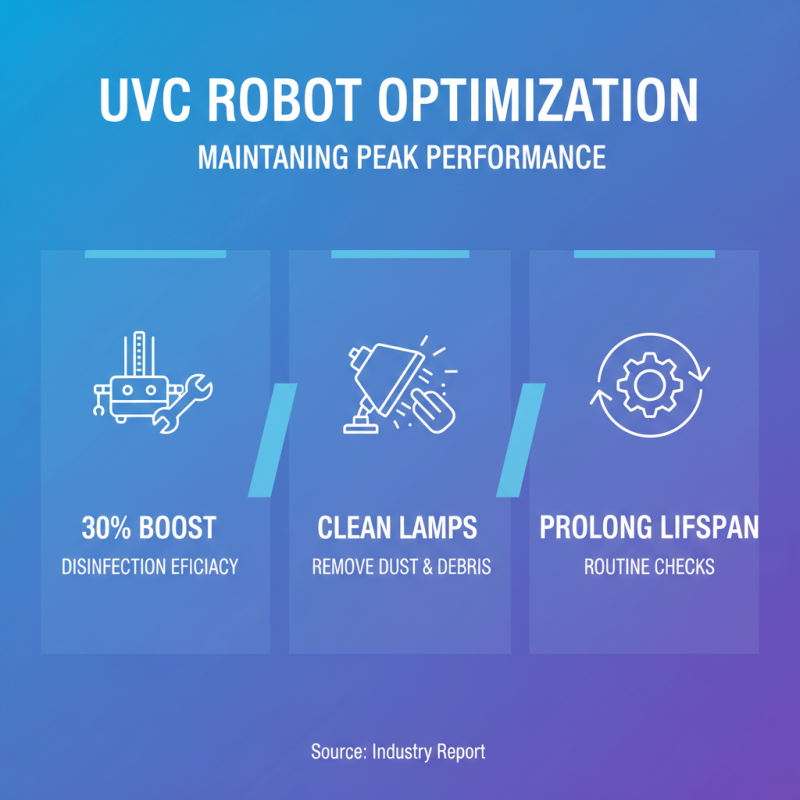
Maintaining UVC disinfection robots is crucial for maximizing their efficiency. Regular maintenance not only enhances performance but also prolongs the lifespan of these devices. According to a recent industry report, routine checks can boost disinfection efficacy by up to 30%. Operators should clean the UVC lamps frequently, as dust and debris can significantly diminish their effectiveness.
Moreover, optimizing the programming of UVC robots is essential. Data shows that adjusting the operation cycles based on specific facility needs leads to a 20% increase in overall productivity. Facilities should monitor environmental conditions and modify the robots' schedules accordingly. For instance, running a UVC robot during off-peak hours can amplify disinfection results when fewer people are present.
An often-overlooked aspect is user training. Staff should understand how to operate the robots effectively. Lack of training can lead to improper usage, resulting in suboptimal performance. A comprehensive training program is necessary. It's essential to reflect on these elements continuously. Even small adjustments can lead to significant improvements in disinfection outcomes. Operators must be aware of their robots’ strengths and limitations for best results.
Evaluating the Impact of UVC Disinfection Robots on Health and Safety
UVC disinfection robots have become essential tools in maintaining health and safety standards. These robots utilize ultraviolet light to inactivate pathogens on surfaces. Their efficiency can significantly reduce the risk of infection in hospitals, schools, and public spaces. Studies reveal that these robots can sterilize large areas quickly, cutting downtime for cleaning. However, reliance on technology raises concerns.
While UVC robots can enhance cleaning protocols, they are not foolproof. They require proper programming and maintenance to function effectively. If misused, they might miss spots or not operate efficiently. Staff training is crucial; without it, human oversight may erode the benefits of automation. Proper interactions between robots and cleaning teams are vital.
Evaluating the impact on health requires rigorous assessment. Some studies suggest that UV light can lead to skin and eye damage if not managed correctly. There are ethical considerations surrounding reliance on robotics over human judgment. As organizations adopt these technologies, continuous monitoring and transparency are essential. Balancing innovation with potential risks ensures a safer environment for everyone.