


Top Nest Sampler Manufacturers for Global Buyers
Choosing a Nest Sampler manufacturer involves more than comparing prices or browsing product photos. Buyers need equipment suited to their sampling process, materials, operating conditions, and quality requirements. A sampler that performs well in one facility may not fit another. Small details matter: contact surfaces, sample capacity, cleaning access, and the consistency of each collection. They can affect daily use.
This guide introduces manufacturers serving buyers across international markets. It considers practical factors such as product range, customization, manufacturing capability, quality checks, technical documentation, and after-sales support. These points help procurement teams ask clearer questions before requesting quotations. For example, buyers can confirm the intended sample size, compatible materials, available drawings, and expected delivery schedule. Good answers should be specific, not simply reassuring.
There is no single supplier that suits every project. Some buyers prioritize standard models and quick availability; others need a design adjusted to their equipment or workflow. Comparing suppliers takes time. It can also reveal gaps in a specification that seemed complete at first. This overview is a starting point, not a substitute for technical review. Verify product details directly with each manufacturer, and confirm that the proposed Nest Sampler meets your site’s documented requirements. A careful comparison may feel slower. It is often the more dependable path.
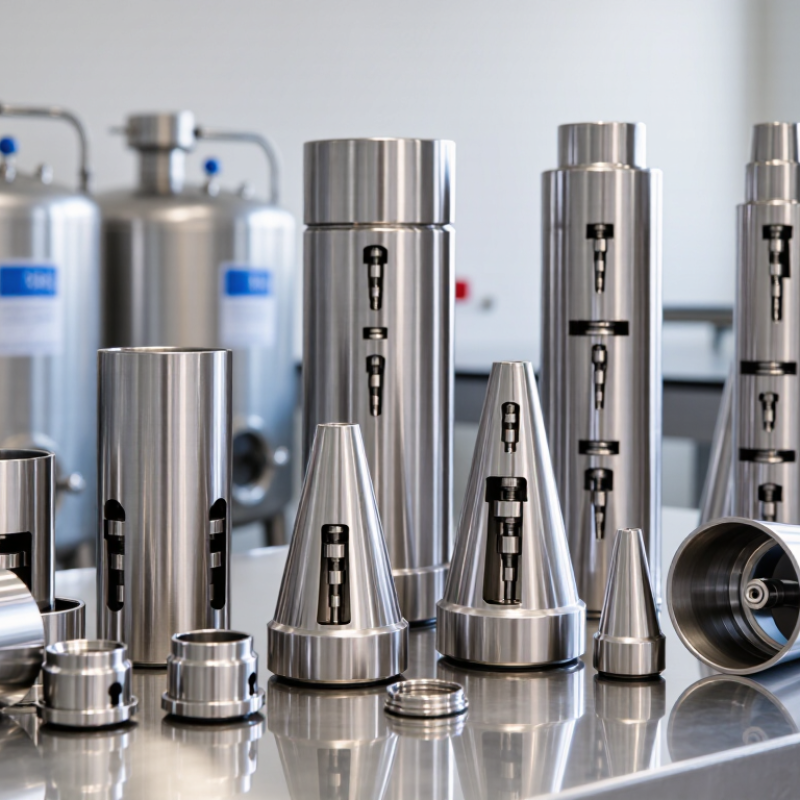
Understanding Nest Samplers and Their Role in Laboratory Work
A nest sampler is a sampling tool whose nested components are arranged to collect material from selected positions or depths. Its exact design varies, so laboratory staff should check the manufacturer’s instructions before use. In a powder container, for example, a suitable sampler may help collect material from different levels without relying on a scoop from the surface alone. That can reveal variation a surface sample might miss. Small details matter: sample depth, insertion angle, and how the sampler is emptied can all affect the result.
In practice, choose a sampler that matches the material, container, and test method. Check that its construction is compatible with the sample and that it can be cleaned or replaced as required by the laboratory’s procedure. Keep collection steps consistent, label each portion clearly, and record any unusual conditions, such as clumping or dampness. These notes help others interpret results later. It sounds simple. It isn’t always. Even a well-made sampler cannot compensate for an unrepresentative collection plan, and repeated sampling may still leave uncertainty. Reviewing the method after unexpected results is worthwhile; small adjustments can improve consistency, but they should be documented rather than made casually.
Top Nest Sampler Manufacturers for Global Buyers – Understanding Nest Samplers and Their Role in Laboratory Work
Manufacturer-neutral selection guide. “Nest sampler” is not a single standardized instrument category; suitable designs depend on the sample matrix, collection depth, and laboratory protocol. Confirm product specifications and compatibility with the intended method before purchase.
| Selection dimension | Common requirement or option | Role in laboratory work | Buyer check |
|---|---|---|---|
| Sample matrix | Soil, sediment, water, or biological material | Determines the sampler’s geometry, contact materials, and cleaning or preservation procedure. | Confirm that the device is designed for the target matrix and does not introduce relevant contaminants. |
| Sampling location or depth | Surface collection, a defined depth, or samples from multiple depth intervals | Supports representative collection and, where required, comparison between sampling positions or depths. | Check reach, insertion method, depth control, and whether separate samples can be kept distinct. |
| Contact material | Material selected for chemical compatibility, durability, and the analytical method | Helps limit reactions, adsorption, or contamination between the sample and sampler. | Review material compatibility against the analytes, solvents, cleaning agents, and sample conditions. |
| Sterility and cleanliness | Pre-cleaned or sterile single-use equipment, or a validated cleaning procedure for reusable equipment | Reduces carryover and cross-contamination risk, especially in microbiological and trace-level analyses. | Check packaging, sterility documentation where needed, cleaning instructions, and compatibility with the laboratory’s quality system. |
| Sample volume and transfer | Collection capacity and transfer method matched to the required test quantity | Provides enough material for planned analyses while helping avoid unnecessary handling. | Verify usable capacity, compatibility with sample containers, and whether the method requires minimal headspace or special preservation. |
| Repeatability and sample integrity | Consistent collection procedure, clear sample identification, and appropriate transport conditions | Improves comparability between samples and helps preserve the collected material until analysis. | Assess ease of operation, labeling options, sealing, and fit with the project’s documented sampling protocol. |
| Documentation and support | Instructions for use, material information, cleaning guidance, and applicable conformity documents | Enables correct use, traceability, and review of equipment suitability during laboratory quality checks. | Request current technical documents and confirm availability of replacement parts or consumables where applicable. |
Note: Sampling equipment should be selected and used according to the applicable study plan, analytical method, and laboratory quality procedures.