What Is Robot UVC Disinfection and How Does It Work?

Robot UVC disinfection combines autonomous mobility with ultraviolet-C light to reduce microorganisms on exposed surfaces. These robots commonly use UVC lamps or LEDs emitting near the germicidal range of 200–280 nanometers. The energy disrupts microbial DNA or RNA, preventing many bacteria, viruses, and fungi from reproducing effectively.

A typical unit maps a room, avoids obstacles, and follows programmed routes. It may pause beside beds, desks, or door handles, where contamination risks can be higher. Sensors, cameras, and safety interlocks help detect people and stop the lamp when someone enters. Line of sight matters greatly. A shadow behind a chair or under equipment may receive little useful exposure.

Dose is the key measurement. It depends on light intensity and exposure time. Distance matters too. A surface farther from the lamp may need longer treatment. In practice, trained staff should confirm coverage with the manufacturer’s instructions, room geometry, and suitable verification methods. Cleaning remains necessary because dust and organic residue can block UVC energy.

The technology sounds simple. Real rooms are not. Robot UVC disinfection can improve consistency, but it does not guarantee complete decontamination. Performance varies with lamp age, reflective materials, obstacles, and maintenance quality. Human oversight still matters, especially in occupied healthcare, hospitality, and workplace environments. A reliable program combines risk assessment, documented procedures, equipment checks, and staff training. It should also acknowledge uncertainty instead of promising perfection. One missed shadow can change the result.
What Is Robot UVC Disinfection and How Does It Work?

What Is Robot UVC Disinfection?

Robot UVC disinfection uses a mobile machine to deliver ultraviolet-C energy across indoor surfaces. UVC usually refers to wavelengths from 200 to 280 nanometers, according to the Illuminating Engineering Society’s RP-44 report. The energy can damage microbial DNA or RNA, preventing many microorganisms from reproducing. It is a physical process, not a chemical spray.

A robot typically maps a room, moves around furniture, and pauses at selected positions. Its lamps then expose floors, bed rails, handles, and other high-touch areas. Effective treatment depends on dose, distance, exposure time, lamp output, and direct line of sight. The International Ultraviolet Association notes that shadows and surface texture can reduce delivered UVC dose. One missed surface can matter.

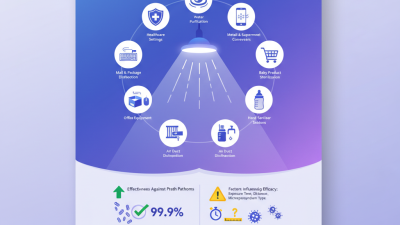
The machine is not magic. Not even close. A 2023 report from the U.S. Centers for Disease Control and Prevention explains that ultraviolet technologies require careful installation, operation, and validation. Operators should keep people and animals away during exposure, because direct UVC can injure skin and eyes. Dust, stains, and blocked surfaces may also reduce performance. In practice, robots work best after visible soil is removed and when treatment zones are measured with suitable sensors. Claims such as “99.9% reduction” need independent testing under clearly stated conditions. Real rooms are messy, and laboratory results may not transfer perfectly.

How Does a UVC Disinfection Robot Work?

A UVC disinfection robot uses short-wave ultraviolet light to reduce microorganisms on exposed surfaces.

Most systems use UVC wavelengths near 254 nanometers. This energy can damage microbial DNA or RNA, preventing reproduction.

It does not clean dust, stains, or organic residue. Physical cleaning still matters.

Before operation, a trained user clears the room and removes people, animals, and sensitive materials. The robot may scan walls, furniture, and floor space with cameras or distance sensors.

It creates a route and moves between selected positions. At each stop, lamps deliver a measured UVC dose for a set period.

Dose depends on intensity, distance, and exposure time. The process needs direct line of sight.

Shadows create weak points.

Curtains, chair legs, and equipment can block the light. A careful operator may change the robot’s position or repeat a cycle.

Motion sensors, door checks, warning signals, and emergency shutoffs help prevent accidental exposure. They are safeguards, not excuses for careless supervision.

Results should be verified through maintenance records, lamp checks, and suitable environmental testing. UVC performance can decline when lamps age or surfaces become dirty.

The technology is useful, but it is not magic. Its effectiveness varies with room design, target organisms, and operating conditions.

What Are the Main Components of a UVC Robot?

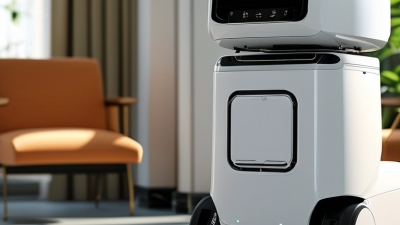
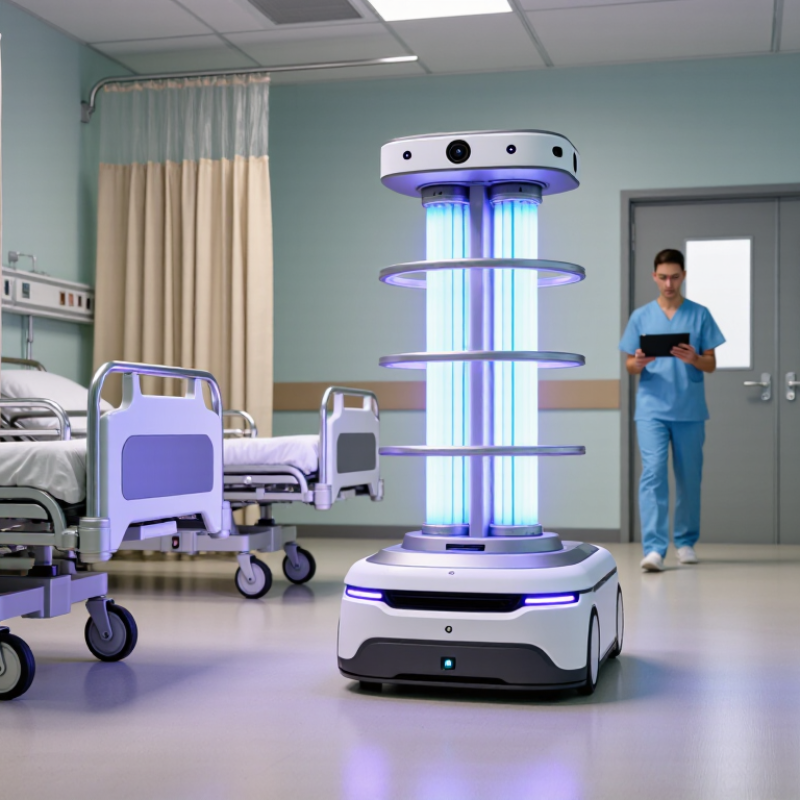
A UVC disinfection robot combines mobility, ultraviolet light, sensors, and software in one controlled system. Its wheeled chassis carries the lamp tower and protects internal electronics. Strong drive motors help it cross corridors, tiled floors, and small thresholds. However, uneven surfaces can still affect its route.

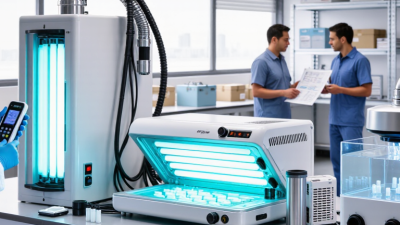
The UVC lamp module is the robot’s working core. It produces short-wave ultraviolet energy that can damage microorganisms on exposed surfaces. Lamp height, output, and exposure time determine the delivered dose. A battery pack supplies power during scheduled cleaning cycles. The control unit manages movement, lamp timing, and route instructions. Many systems also record operating data, such as location, duration, and battery status. This information supports maintenance and quality checks.

Safety components are equally important. Motion sensors can detect people, doors, walls, and furniture. Cameras, proximity sensors, and emergency stop buttons help prevent unsafe operation. A reliable robot should stop or switch off its lamps when someone enters the treatment area. Its navigation system may use maps, distance sensors, and room markers to reach selected zones. Yet no design is flawless. UVC light cannot disinfect shaded areas, hidden corners, or covered surfaces. Dust and lamp aging may also reduce performance. Operators should inspect the room, remove obstacles, confirm occupancy controls, and verify lamp output regularly. A clear maintenance log makes weak results easier to investigate.

What Is Robot UVC Disinfection and How Does It Work?

Robot UVC disinfection systems use short-wave ultraviolet light, commonly within the UVC range of 200–280 nm, to reduce microorganisms on exposed surfaces. The robot navigates a space, positions its UVC source, and applies a controlled dose based on irradiance and exposure time.

UVC Dose and Exposure Time

Calculation basis: UVC dose = irradiance × exposure time. The chart uses a constant illustrative irradiance of 1 mW/cm²; actual robot performance depends on distance, shadows, surface properties, lamp output, and safety controls.

Main Components of a UVC Robot

  • UVC lamp or LED module: Produces germicidal ultraviolet radiation.
  • Power system: Includes the battery, charging system, and power management electronics.
  • Mobile platform: Motors, wheels, and drive controllers move the robot through the treatment area.
  • Navigation and sensing system: Cameras, lidar, proximity sensors, or other sensors support mapping and obstacle avoidance.
  • Control computer: Manages navigation, exposure timing, operating modes, and system monitoring.
  • Safety controls: Emergency stops, motion detection, remote operation, and access control help prevent unintended human exposure.

Where Is Robot UVC Disinfection Used?

Robot UVC disinfection is used where many people share indoor spaces. Hospitals are the clearest example. Robots can treat patient rooms, operating areas, isolation units, and corridors after routine cleaning.

The World Health Organization reported that about 7% of patients in high-income countries acquire healthcare-associated infections during care. The rate can reach 15% in low- and middle-income countries (WHO, Global Report on Infection Prevention and Control, 2022). This risk explains the interest in automated, repeatable room treatment.

Hotels, schools, elder-care facilities, laboratories, and public transport also use mobile UVC systems. A robot can enter an empty room, map obstacles, and position lamps near exposed surfaces.

UVC energy damages microbial DNA and RNA, reducing their ability to reproduce. It works best with direct exposure. Shadows remain a weakness. Door handles, bed rails, desks, and toilet surfaces may receive different doses.

The U.S. CDC describes ultraviolet technologies as supplemental environmental controls, not replacements for cleaning and disinfection (CDC, Guidelines for Environmental Infection Control in Health-Care Facilities).

These robots require controlled access because direct UVC exposure can injure skin and eyes. Sensors, warning signals, and documented operating procedures matter.

A 2023 review in the American Journal of Infection Control found that effectiveness depends on dose, distance, exposure time, and room geometry. Results can disappoint when surfaces are dusty or hidden.

That is the practical lesson: robot UVC is valuable after cleaning, but it is not magic.

What Safety Measures Govern UVC Robot Operation?

Robot UVC disinfection uses short-wave ultraviolet light to damage microbial DNA and RNA on exposed surfaces. Its effectiveness depends on dose, distance, lamp output, shadowing, and cleaning conditions. A robot cannot disinfect what light cannot reach. Dust and organic residue can also reduce performance.

Safety controls govern every operation. The robot should scan the room before activation, confirm that people are absent, and use motion sensors, door interlocks, warning beacons, and a physical emergency stop. Remote operation helps, but it is not a complete safeguard. The CIE reported that germicidal UV-C can injure skin and eyes after unsuitable exposure. The ACGIH exposure guideline for 254-nanometre UV-C is approximately 6 mJ/cm² over eight hours. Operators should follow the stricter local requirement when standards differ. IEC 62471 also requires assessment of photobiological hazards, while ISO 15858:2016 addresses UV-C safety information and user controls. These standards support risk assessment, but they do not replace site-specific training.

Tips: Lock access points before starting. Post visible warnings. Keep reflective objects away from treatment zones. Check lamp intensity regularly, and record each cycle. Never enter early. Nearly safe is not safe. Some facilities still trust automated sensors too much, especially around glass or moving equipment. That weakness deserves review. Operators should verify the room manually and document failed interruptions, damaged sensors, and unexpected reflections. The robot should also be assessed for ozone generation, particularly when shorter-wavelength UV sources are used.