Why Smart UVC Technology is Essential for Modern Disinfection?
The need for effective disinfection has never been greater. Recent reports indicate that over 3 million healthcare-associated infections occur annually in the U.S. alone. Traditional disinfection methods often fall short. This gap highlights the importance of "smart UVC" technology in modern sanitation practices.
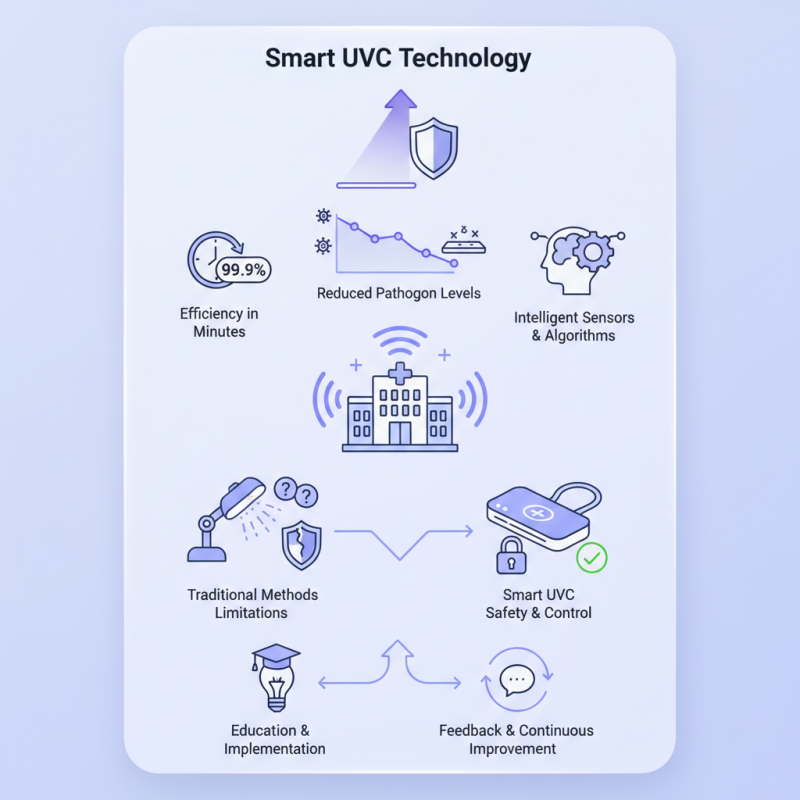
Smart UVC systems offer precise and efficient disinfection. They utilize intelligent sensors and algorithms to optimize UV exposure. According to the CDC, UVC light can reduce pathogen levels by up to 99.9% in minutes. However, not all UVC systems are created equal. Some lack necessary safety features or effective controls. This raises questions about their reliability.
Adopting smart UVC technology could revolutionize the way we approach hygiene. Yet, its effectiveness depends on proper implementation. Users must understand the technology and its limitations. Continuous education and feedback are vital. Only then can we fully harness the potential of smart UVC to protect public health.
The Science Behind UVC Technology in Disinfection
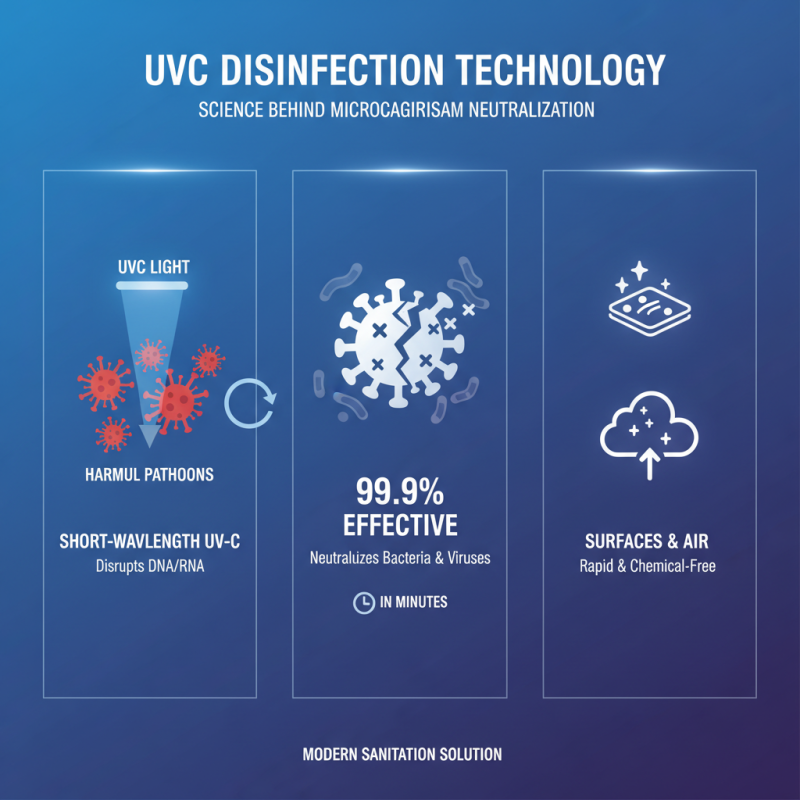
UVC technology plays a crucial role in modern disinfection practices. It utilizes short-wavelength ultraviolet light to neutralize harmful microorganisms. This method effectively reduces bacteria and viruses on surfaces and in the air. For instance, studies indicate that UVC can inactivate up to 99.9% of pathogens within minutes. Its speed and effectiveness are key benefits compared to traditional cleaning methods.
Research from the CDC highlights that UVC disinfection is particularly valuable in healthcare settings. Facilities using UVC have observed lower infection rates among patients. Yet, challenges remain. Not all surfaces can be reached effectively by UVC light, which raises questions about comprehensive disinfection. Additionally, the safety of UVC exposure for humans requires careful consideration. While UVC is effective, improper use may lead to unforeseen health risks.
Data from industry reports underline that UVC technology can reduce environmental contaminants. However, user training is essential to maximize its benefits. Misconceptions about UVC can lead to ineffective applications. The ongoing evolution of UVC technology invites continuous learning. As research progresses, it could lead to more effective solutions for disinfection in various settings.
Key Advantages of Smart UVC Technology Over Traditional Methods
Smart UVC technology is transforming disinfection methods across various sectors. Traditional disinfection often relies on chemical agents, which can pose health risks. According to a report from the Centers for Disease Control and Prevention, chemical disinfectants can lead to respiratory issues if not used properly. In contrast, smart UVC systems emit ultraviolet light that effectively inactivates pathogens without harmful residues.
Research indicates that UVC light can eliminate up to 99.9% of germs in a matter of minutes. This efficiency reduces the time and labor involved in cleaning. Smart UVC devices often include sensors and automation features that ensure consistent and thorough disinfection. They can self-adjust to the environment, improving effectiveness and safety. These features are increasingly relevant in high-traffic areas, where rapid disinfection is essential.
Tip: Regularly clean surfaces with traditional methods before deploying smart UVC technology for best results. While UVC is powerful, no disinfection method is foolproof. Always ensure adequate safety protocols are in place. Reflect on how integrating smart disinfection can enhance overall hygiene standards while still requiring occasional checks and balances. Being informed helps in making effective choices for health and safety.
Applications of Smart UVC Technology in Various Settings
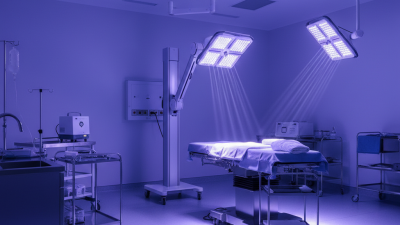
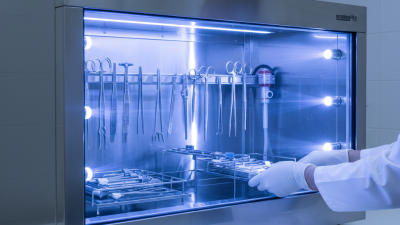
Smart UVC technology is transforming disinfection across various settings, offering both reliability and effectiveness. In healthcare, UVC systems sanitize surfaces and air in operating rooms. Studies show UVC light can reduce pathogens by up to 99.9% within minutes. This rapid action is vital in preventing hospital-acquired infections, which affect 1 in 31 patients in the U.S. alone.
Educational institutions also benefit from this technology. Classrooms equipped with smart UVC devices enhance air quality and minimize the spread of germs among students. According to the CDC, effective disinfection can lower absenteeism rates. In addition, effectiveness varies by type of surface and UVC dosage, highlighting the need for ongoing research and optimization in application methods.
However, challenges remain. Some UVC systems require careful calibration to avoid harmful exposure. Additionally, not all facilities can afford advanced systems, which can hinder widespread adoption. As technology evolves, it's crucial to address these concerns while sharing evidence-based practices. This ensures that smart UVC technology reaches its full potential in safeguarding public health across diverse environments.
Safety Considerations and Regulations for Smart UVC Devices
When it comes to smart UVC technology, safety considerations are paramount. The rise of disinfection devices featuring UVC light raises questions about their impact on human health. UVC light, while effective against pathogens, can cause skin burns and eye injury. This is why regulations are crucial. They help establish safe usage guidelines to protect users and bystanders.
Many countries are implementing standards for UVC devices. These regulations dictate safe exposure levels and operational protocols. Users must be informed about potential risks associated with improper use. Education on safe practices can mitigate accidents. In many contexts, devices should be operated in unoccupied spaces to prevent exposure.
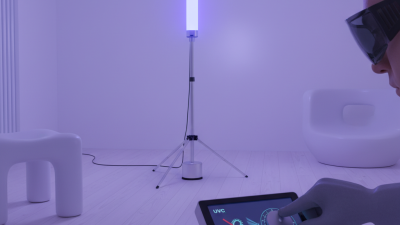
Moreover, the integration of smart features in these devices can enhance safety. For instance, automatic shutdown functions can prevent UVC exposure when a person enters a disinfected area. However, dependence on technology introduces challenges. Not all devices will include these safety features. This raises the need for careful selection and critical evaluation of products in the market. Balancing innovation with safety requires ongoing attention and regulatory oversight.
Why Smart UVC Technology is Essential for Modern Disinfection? - Safety Considerations and Regulations for Smart UVC Devices
| Dimension |
Description |
Importance |
Regulatory Standards |
| Efficacy of UVC Light |
Measures the effectiveness of UVC light in inactivating pathogens. |
Ensures high disinfection standards, reducing risk of infection. |
UL 2998, IEC 62471 |
| Safety Features |
Includes motion sensors, timers, and automatic shut-off mechanisms. |
Protects users from UV exposure; improves user confidence. |
FDA Regulations, OSHA Guidelines |
| Energy Efficiency |
Measures the power consumption of UVC devices for disinfection. |
Reduces operational costs; promotes environmentally friendly practices. |
Energy Star Certification |
| User Accessibility |
Design considerations for ease of use by all potential users. |
Ensures widespread adoption and effective use of the technology. |
ADA Compliance |
| Maintenance Requirements |
Frequency and ease of maintenance for optimal UVC performance. |
Ensures device longevity and consistent disinfection efficacy. |
Manufacturer Guidelines |
Future Trends and Innovations in UVC Disinfection Technology
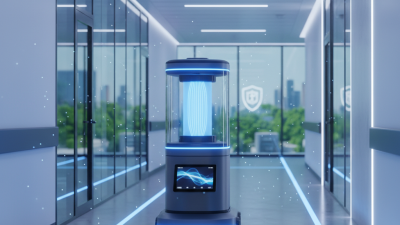
As UVC disinfection technology advances, new innovations shape its future. Smart UVC devices are integrating sensors and AI for enhanced efficiency. This development allows for real-time monitoring and adapts to different environments. These features can help identify high-risk areas and adjust the intensity accordingly. The increased precision has made disinfection safer and more effective.
Moreover, automated UVC systems are emerging in healthcare settings. These systems work alongside traditional cleaning methods. They offer continuous disinfection in high-traffic areas. The challenge, however, lies in achieving optimal human safety while maximizing disinfection. There’s always room for improvement in this technology.
Future collaborations could bring together experts from various fields. These partnerships are essential to develop standards that ensure safety and reliability. More research is needed to address the potential risks associated with UVC exposure. As the technology evolves, addressing these concerns will be crucial for broader adoption.
Trends in UVC Disinfection Technology Adoption (2023)