How to Use UV Lights for Cleaning Effectively?
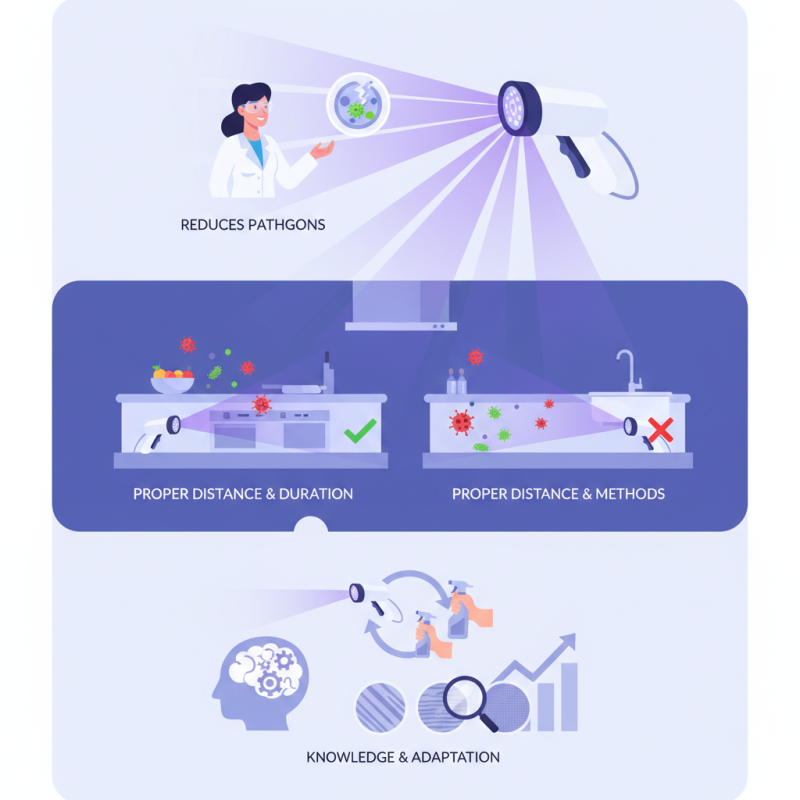
In recent years, the use of UV lights for cleaning has gained significant attention. Industry expert Dr. Emma Carter, a microbiologist, asserts, "UV lights for cleaning can dramatically reduce pathogens on surfaces." This statement underscores the potential of UV technology in our everyday cleaning practices.
With growing concerns about hygiene and safety, many are turning to UV lights for cleaning. They can eliminate bacteria, viruses, and harmful germs effectively without chemicals. However, it's vital to understand their limitations. Too often, people assume UV lights are a complete solution. In reality, they should complement other cleaning methods.
Understanding the best practices for utilizing UV lights is crucial. It's not just about exposing surfaces to light. Proper distance and duration matter significantly. Moreover, not all surfaces respond equally to UV treatment. Continuous learning and adjustments are necessary to achieve optimal results. Using UV lights for cleaning can be effective, but it requires knowledge and mindful application to harness its true potential.
Understanding UV Light: Types and Their Cleaning Efficacy
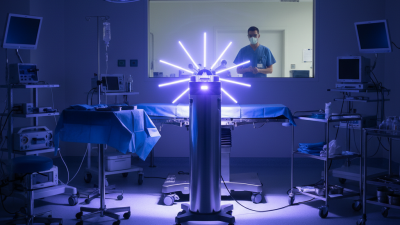
UV light is gaining recognition for its cleaning capabilities. Various types exist, including UV-C, UV-A, and UV-B. Among them, UV-C is noted for its effectiveness in eliminating bacteria and viruses. A study by the American Journal of Infection Control found that UV-C can reduce the presence of pathogens by 99.9% in just minutes. This makes it a powerful tool in healthcare settings and home sanitation.
When using UV lights, take precautions. Direct exposure can harm your skin and eyes. It’s crucial to ensure that no one is in the room while UV-C devices are operating. Always follow safety guidelines provided by manufacturers.
If you're considering UV light for cleaning, here are tips to enhance efficacy. First, ensure surfaces are clean before applying UV light. Dust and debris can block UV rays, reducing effectiveness. Second, maintain a proper distance from the surface for optimal exposure. Lastly, frequently check for equipment functionality. Remember, while UV light is powerful, it should complement regular cleaning routines, not replace them.
Safety Precautions When Using UV Lights for Cleaning
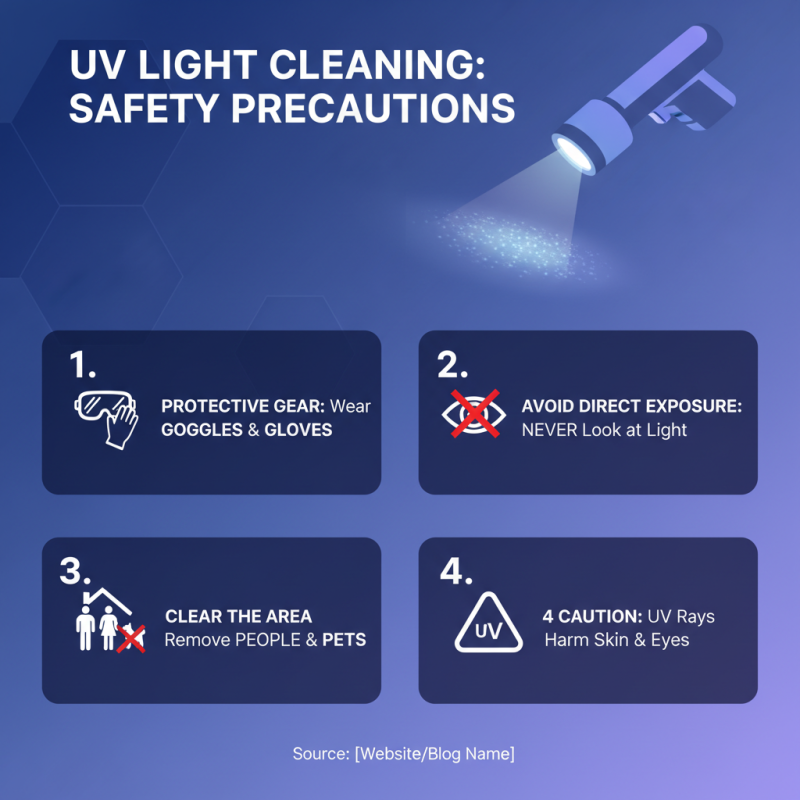
Using UV lights for cleaning can be effective, but safety precautions are crucial. UV light exposure can damage skin and eyes. Always wear protective goggles and gloves when handling UV devices. Never look directly at the light source. Make sure pets and people are out of the area during cleaning.
Before starting, assess surfaces for UV compatibility. Some materials may degrade under UV light. Test a small area first. Be aware that UV light does not clean surfaces; it disinfects. Wipe surfaces before applying UV light. This ensures all germs are targeted effectively.
Regular maintenance of UV lights is essential. Dust and dirt on bulbs can reduce effectiveness. Follow manufacturer guidelines for care. If unsure about your cleaning method, consult a professional. Remember, while UV lights are a powerful tool, they are not a substitute for regular cleaning practices. Use them wisely and safely for the best results.
Step-by-Step Guide to Effectively Use UV Lights for Disinfection
Using UV lights for cleaning can be effective when done correctly. Begin by understanding how UV light works. It attacks the DNA of germs and can effectively inactivate bacteria and viruses. Choose the right type of UV light for your needs. Ensure the area is free from obstructions to maximize exposure.
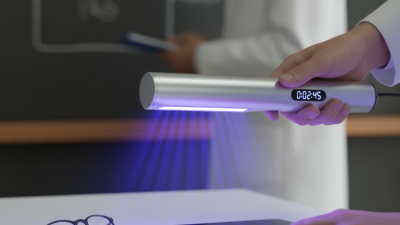
When disinfecting surfaces, hold the UV light at the correct distance. A good rule is 6 to 12 inches away. Move the light slowly across the surface to ensure thorough coverage. It's critical to focus on high-touch areas like doorknobs and light switches. Pay attention to shadows, as these can prevent effective disinfection.
Tips: Always wear protective eyewear when using UV lights. Your skin should not be exposed either. Consider employing this method in unoccupied rooms for safety. Test the effectiveness of your cleaning routine. Track any lingering issues or areas that seem problematic. Regular evaluation can lead to improvements in your disinfection strategy.
Best Practices for Maintaining UV Lighting Equipment
Maintaining UV lighting equipment is crucial for effective cleaning. Regular inspections are necessary to ensure optimal performance. According to the American Journal of Infection Control, UV-C light can kill up to 99.9% of pathogens. Over time, bulbs can lose their effectiveness, reducing their ability to sanitize surfaces. It is recommended to replace UV lamps every 9-12 months for maximum efficiency.
Tips: Always clean the lamp surfaces regularly. Dust and dirt can block UV rays, making them less effective. Use a soft cloth and avoid abrasive cleaners. Monitor UV intensity with a UV light meter. This device can help you track the output and determine the right timing for bulb replacement.
Additionally, be mindful of the surrounding environment. UV light works best in spaces devoid of shadows. Ensuring proper placement in high-touch areas can enhance germicidal efficacy. Implementing a routine schedule for maintenance is essential for achieving optimum results. Neglecting this can lead to weaker disinfecting capabilities and potential health risks. Always prioritize thorough training for staff on the use and maintenance of UV equipment to foster safe practices.
Common Mistakes to Avoid When Using UV Cleaning Technologies
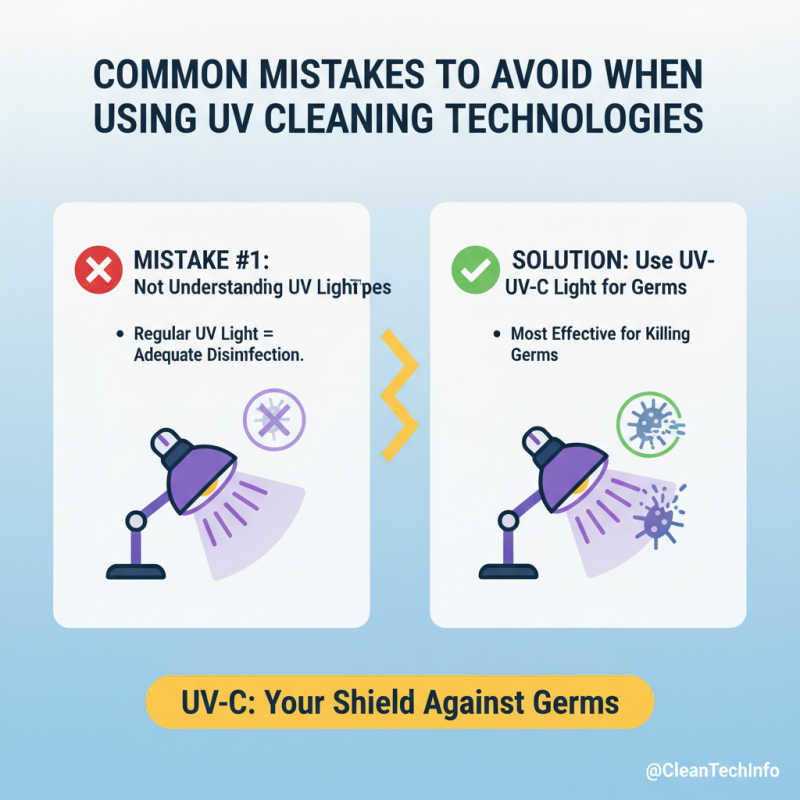
Using UV lights for cleaning can be effective, but it’s easy to make mistakes. One common error is not understanding the types of UV light. UV-C light is most effective for killing germs. However, not all UV lights are created equal. Regular UV lights may not provide adequate disinfection.
Another mistake is assuming UV light can replace traditional cleaning. While UV lights can disinfect surfaces, they should not be the sole method. Dirt and dust can block UV light, reducing its efficacy. Always clean surfaces before applying UV light.
**Tip:** Always wear protective eyewear when using UV lights. Skin exposure is dangerous, so be cautious.
Be mindful of the distance between the UV light and the surface. Too far away reduces effectiveness, while too close can cause damage. Calibration is crucial for proper usage.
**Tip:** Regular maintenance of the UV equipment is necessary. This ensures consistent performance and longevity.
Understand that not every surface is suitable for UV cleaning. Some materials may degrade under UV light. Assess your environment to avoid unnecessary damage.