How Effective is UV Light Decontamination for Global Buyers?
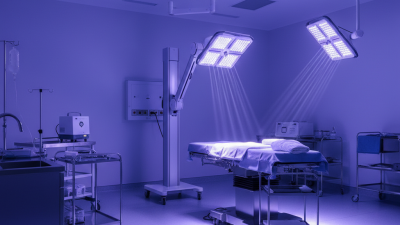
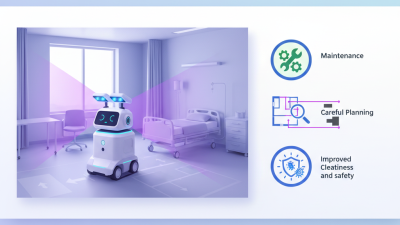
In recent years, UV light decontamination has gained traction as a reliable method for sanitizing various surfaces. Research by the CDC indicates that ultraviolet light can eliminate up to 99.9% of pathogens. This statistic underscores the growing significance of UV technology in infection control. For global buyers, understanding the effectiveness of UV light decontamination is crucial as they seek safe solutions.
However, challenges persist in the adoption of UV light systems. Not all devices guarantee the claimed efficacy. A report by the World Health Organization suggests that proper implementation is key to achieving desired outcomes. Misapplication can lead to ineffective decontamination, emphasizing the need for professional guidance. Buyers must prioritize equipment that meets established standards.
While UV light offers promising results, its integration into existing sanitation protocols requires careful consideration. Users should remain informed about best practices to optimize effectiveness. This technology holds potential, but awareness of its limitations is vital for ensuring safety in diverse settings.
Understanding UV Light Decontamination: Principles and Mechanisms
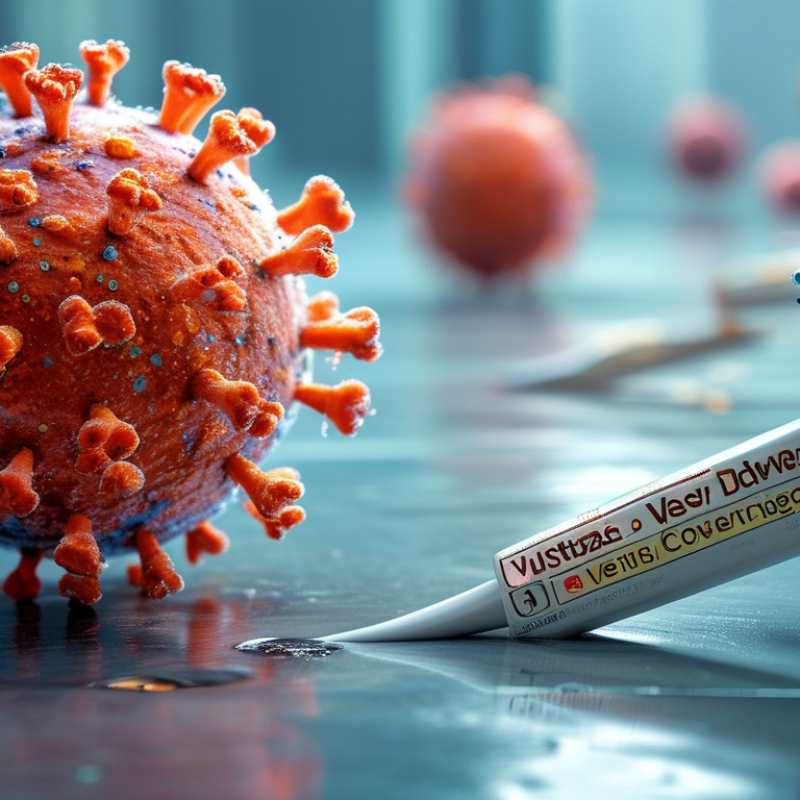
Understanding UV light decontamination involves grasping its principles and mechanisms. Ultraviolet (UV) light is effective for disinfecting surfaces by inactivating pathogens. According to a report from the Journal of Environmental Health, UV-C light, typically around 254 nanometers, is particularly efficient in killing bacteria and viruses. Studies highlight that UV irradiation can reduce microbial loads by up to 99.9% on various surfaces.
The effectiveness of UV light depends on several factors. Exposure time and intensity play crucial roles. For instance, surfaces must receive adequate UV light for a sufficient duration to ensure thorough decontamination. Additionally, the presence of dust or biological material can hinder effectiveness. A report by the Environmental Protection Agency (EPA) emphasizes that direct exposure to UV light is vital for optimal results.
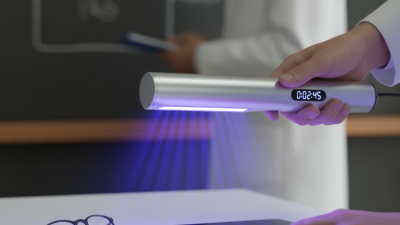
Tips: Regular maintenance of UV equipment is essential. Check the lamp intensity periodically. Remember, shadows can reduce efficiency. Clean surfaces before UV treatment to maximize effectiveness. Always be vigilant about safety; UV light can be harmful to skin and eyes. Ensure areas are unoccupied during treatment.
Evaluation of Effectiveness: How UV Light Kills Microorganisms
Ultraviolet (UV) light is a powerful tool for decontaminating surfaces. It effectively kills microorganisms, including bacteria, viruses, and fungi. The effectiveness hinges on the intensity and duration of UV exposure. For instance, higher intensity levels combined with longer exposure times lead to better deactivation rates. However, the effectiveness can vary in real-world scenarios.
Microorganisms have differing resistance levels to UV light. Some pathogens may survive brief exposure. Shadows and surface obstructions reduce UV light penetration, limiting effectiveness. Regular assessments of UV systems are recommended to ensure optimal performance. Users should also consider the need for proper training when operating UV disinfection devices, as misuse can lead to unintended consequences.
Effectiveness also depends on the application environment. In healthcare settings, UV systems can significantly lower infection rates. Yet, challenges remain in ensuring all surfaces receive adequate light exposure. Moreover, studies suggest that combining UV light with other cleaning methods enhances overall decontamination. As the technology evolves, further research is crucial to understanding its full potential and limitations.
Applications of UV Light Decontamination in Various Industries
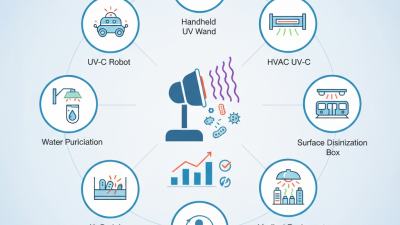
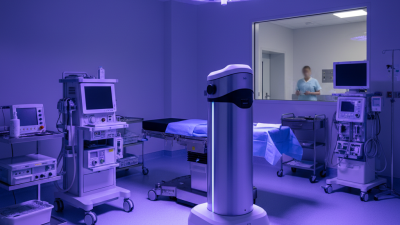
The adoption of UV light decontamination is transforming various industries, offering solutions for cleanliness and safety. In healthcare, studies indicate that UV-C light can reduce pathogen loads by over 95%. This has significant implications for infection control and patient safety. A recent analysis reported that hospitals deploying UV systems decreased hospital-acquired infections by 30%. Such data highlights the importance of continuous improvement in sanitization practices.
In food processing, UV light is gaining traction. It effectively eliminates bacteria and viruses from surfaces, thus enhancing food safety. Research shows that UV treatment can extend the shelf life of various products by reducing spoilage microorganisms. However, challenges remain in ensuring consistent application across different food types. There is also a need for further studies on the long-term effects of UV exposure on food quality.
The aerospace and automotive industries are also incorporating UV technology for decontamination. A report suggested that UV systems can significantly improve safety in enclosed environments like aircraft cabins. Yet, the effectiveness of UV light depends on factors like exposure time and surface material. It’s essential to address these variables to maximize benefits and ensure reliability. This complexity invites ongoing investigation and refinement in protocols across sectors.
Effectiveness of UV Light Decontamination Across Industries
Comparative Analysis: UV Light vs. Other Decontamination Methods
UV light decontamination has gained popularity in various industries. Many believe it offers a superior solution to traditional methods. However, its effectiveness compared to other decontamination techniques requires closer examination.
When evaluating UV light, one must consider its limitations. For instance, it requires direct exposure to pathogens for optimal results. Shadows or obstructive surfaces can hinder its efficiency. This contrasts with chemical methods, which can penetrate hidden areas more effectively. Moreover, the variability in UV intensity and exposure time raises concerns about reliability. It is essential to weigh these factors against other approaches.
In addition, safety is a relevant issue. Prolonged exposure to UV light poses risks to human health. Unlike chemical agents, which may have established safety protocols, UV procedures often lack standard guidelines. Buyers need to remain cautious and consider all aspects of each method. A comprehensive approach often leads to better decontamination outcomes.
Safety Considerations and Limitations of UV Light Usage
UV light has gained traction as a method for decontamination. However, its effectiveness is accompanied by important safety considerations. Research indicates that UV-C light can reduce pathogens by 99.9% in controlled environments. Yet, prolonged exposure poses health risks. Direct skin contact or eye exposure can lead to burns or long-term damage. Personal protective equipment is essential for anyone operating UV systems.
Furthermore, UV light's effectiveness can be limited by the presence of organic matter. Dust, dirt, or biofilms can shield microorganisms, rendering treatment less effective. According to the CDC, proper cleaning protocols should be implemented before UV disinfection to achieve optimal results. This method also cannot penetrate through opaque surfaces or uneven textures.
Organizations must also address the maintenance of UV equipment. Regular checks are necessary to ensure proper functionality. Ineffective or malfunctioning systems may provide a false sense of security. Continuous research is needed to establish comprehensive guidelines for safe UV light usage across various settings. It is crucial to balance benefits with potential risks to ensure effective and safe decontamination procedures.