Best UV Light for Sanitizing Your Home Effectively?
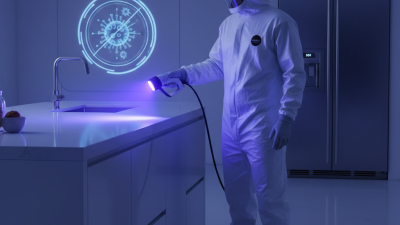
In our quest for a cleaner, healthier home, UV light for sanitizing has emerged as a viable option. It's becoming increasingly popular due to its effectiveness in eliminating germs and pathogens. Many homeowners seek alternatives to chemical cleaners, and UV light offers a non-toxic solution.
Research shows that UV-C light can destroy bacteria and viruses efficiently. This technology, initially used in hospitals, is now available for residential use. However, it's essential to understand that not all UV devices are created equal. The efficacy can vary widely, leading to confusion and uncertainty among consumers.
As you explore the best UV light for sanitizing your home, consider durability and design. The market is flooded with various products, some boasting impressive claims without solid evidence. Take the time to evaluate and reflect on user reviews and proven results. Making an informed decision ensures you invest in a solution that truly enhances your home’s hygiene.
Understanding UV Light Technology and Its Sanitizing Benefits
UV light technology is becoming increasingly popular for home sanitization. It works by emitting ultraviolet light, which can kill bacteria and viruses effectively. This process is efficient and often used in various settings, including hospitals and laboratories. Homeowners are now recognizing its potential to enhance their cleaning routines.
Using UV light can target hard-to-reach areas where traditional cleaning methods might fall short. For example, it can effectively sanitize surfaces like doorknobs, phones, and remote controls. The convenience of using a portable UV light device is appealing to many. However, it is crucial to remember that proper usage is essential for safety and effectiveness. Overexposure to UV light can cause skin damage.
Incorporating UV light into your sanitation routine requires an understanding of what it can and cannot do. While it can eliminate many pathogens, it may not replace thorough cleaning with soap and water. There is ongoing debate about the effectiveness of UV light against certain microorganisms. Thus, awareness and continuous research are necessary for informed usage.
Sanitizing Effectiveness of UV Light by Wavelength
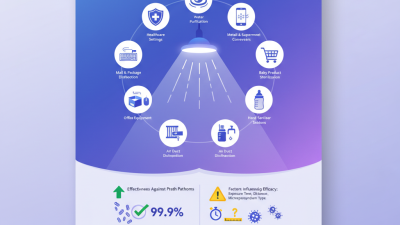
This chart illustrates the effectiveness of UV light for sanitizing various surfaces against bacteria and viruses, measured in percentage effectiveness at different wavelengths. As the wavelength increases, the effectiveness of UV light in sanitizing tends to vary.
Types of UV Light Sanitizers for Home Use: A Comprehensive Guide
When considering UV light sanitizers for home use, understanding the different types available is crucial. There are handheld UV wands, which are portable and ideal for targeted disinfection of surfaces. Users often find them easy to maneuver. However, they require direct exposure to be effective. This can sometimes lead to missed spots and a sense of uncertainty regarding their thoroughness.
Another type is UV light boxes or chambers. These are designed for disinfecting smaller items like phones, keys, and masks. They offer a more controlled environment for UV exposure. Users often appreciate the ease of simply placing items inside and letting the device do the work. Yet, the effectiveness hinges on ensuring that every item is positioned correctly within the chamber.
Surface-mounted UV systems are also gaining popularity in homes. These are installed in rooms to continuously disinfect the air and surfaces. They can reduce microbial presence over time but may leave users questioning how often they should rely on them. Each type has its strengths, but the choice ultimately depends on personal needs and living spaces.
Factors to Consider When Choosing a UV Light Sanitizer
Choosing the right UV light sanitizer for your home involves several key factors. First, consider the wavelength of the UV light.
UV-C light, between 200-280 nm, is most effective for killing bacteria and viruses. Check if the device specifies this wavelength.
Also, look for products with proper certifications. Valid certifications ensure safety and effectiveness.
Next, evaluate the coverage area. Different models offer varying ranges. Some sanitizers are efficient for small spaces,
while others cover larger areas. Think about where you'll use it.
Portability is another aspect to consider. A lightweight, compact unit is easier to maneuver, especially for high-touch surfaces.
Finally, pay attention to user reviews and expert recommendations. Personal experiences help identify hidden issues, such as durability
or performance inconsistencies. Always reflect on these assessments. Are the claims made by the device backed by substantial evidence?
This critical thinking can enhance your purchasing decision. A careful approach will lead you to a reliable UV light sanitizer that meets your home’s needs.
Safety Precautions for Using UV Light in Your Home
Using UV light for sanitizing your home can be effective, but safety should always come first. UV-C light is commonly used for disinfection, but it can be harmful to skin and eyes. Always wear protective gear like UV-blocking goggles and gloves. Ensure pets and people are out of the area when using the device. This precaution minimizes potential exposure.
Understanding the right distance is crucial. Keep the UV light at a safe distance to maximize efficacy while reducing risk. Residual contaminants may remain if the light does not reach all surfaces. Remember, some materials may degrade over time with UV exposure. It’s essential to test surfaces in less visible areas.
Regular cleaning still plays a vital role. UV light should not replace routine sanitation methods. Combine both for comprehensive cleaning. Consider the limitations of UV light; it may not be effective on dirt or grime. If you notice any skin irritation or discomfort, cease use immediately. Your safety is paramount in achieving a sanitized environment.
Best UV Light for Sanitizing Your Home Effectively? - Safety Precautions for Using UV Light in Your Home
| UV Light Type |
Effectiveness (Rating) |
Safety Precautions |
Duration of Exposure |
Recommended Usage Area |
| UV-C Light |
9/10 |
Avoid skin and eye exposure; use protective gear |
10-30 minutes |
Living rooms, kitchens, bathrooms |
| UV Sanitizing Wands |
8/10 |
Hold at a safe distance from surfaces; use in well-ventilated areas |
1-5 minutes per surface |
Personal items, small areas |
| UV Air Purifiers |
7/10 |
Ensure unit is certified; avoid direct exposure while in use |
Continuous use recommended |
Entire home |
| UV-C Disinfection Robots |
9/10 |
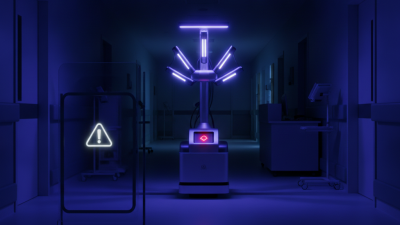
Keep people and pets away during operation |
20-60 minutes |
Larger spaces, offices |
Effective Techniques for Maximizing UV Sanitization Results
When it comes to maximizing UV sanitization results, understanding how UV light works is essential.
UV light operates on the principle of destroying the DNA of microorganisms. This means it can effectively eliminate bacteria and viruses when applied correctly. The effectiveness hinges on exposure time and distance from the surface being sanitized. Make sure to hold the device close to the target area for optimal results.
Consider the surfaces you are sanitizing. Hard, non-porous surfaces respond better to UV light than soft or porous materials. Areas that often get touched, like doorknobs and kitchen counters, benefit greatly from UV sanitation. Ensure that the UV light can reach every corner. Shadows can diminish effectiveness, so angle the light appropriately and move it around during use.
When using UV lights, safety is paramount. Always wear protective eyewear to shield your eyes from potential harm. Reflect on your sanitization routine; it should not be your only method of hygiene. UV light should complement cleaning practices like wiping down surfaces with cleaners. By integrating these techniques, you can achieve a more thorough sanitization process for your home.