How to Use UV Light for Sterilization Effectively?
UV light for sterilization has gained significant traction in recent years. According to a study by the Centers for Disease Control and Prevention (CDC), UV-C light can effectively inactivate up to 99.9% of certain pathogens. As healthcare facilities seek efficient ways to combat infections, UV light has become a reliable method. In fact, a report from the World Health Organization (WHO) mentioned that 15% of patients in hospitals acquire infections, highlighting the need for effective sterilization.
Despite its effectiveness, there are challenges in the application of UV light for sterilization. Not all UV light is created equal; UV-C is the most effective, and exposure time and distance matter greatly. Furthermore, improper use can lead to shadows or areas that remain contaminated. Many users are unaware of the need for specific protocols to ensure comprehensive sterilization. Constant refinement of techniques is often necessary to adapt to varying environments.
As industries adopt UV light technology, the importance of understanding its practical applications cannot be overstated. Safety remains a top priority, as overexposure to UV light can harm skin and eyes. Therefore, while the advantages are evident, ongoing research and education are essential for optimizing the use of UV light for sterilization in diverse settings.
Understanding UV Light and Its Sterilization Properties
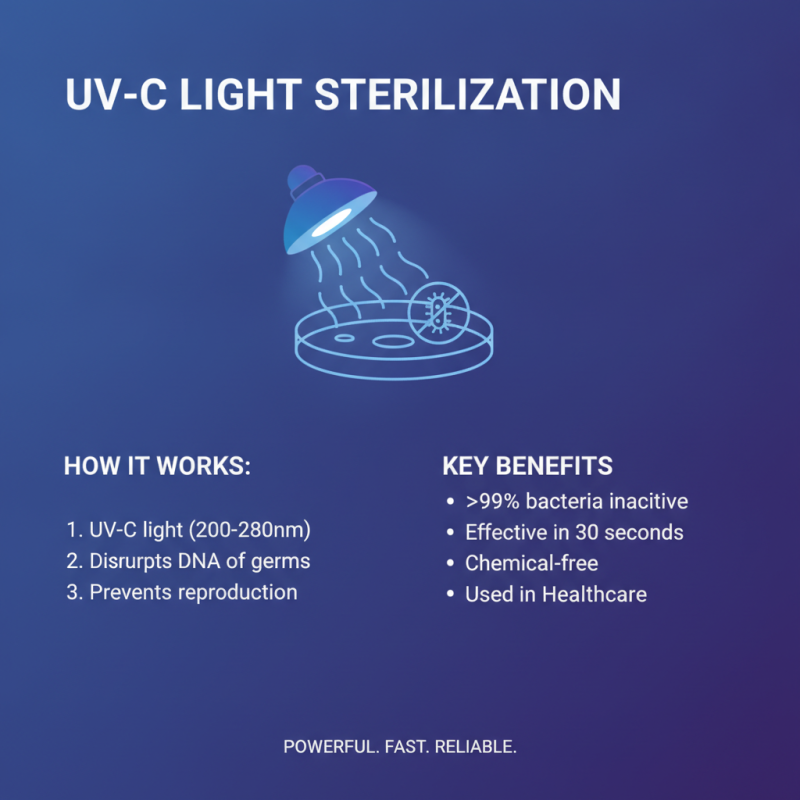
Ultraviolet (UV) light is a powerful tool in sterilization. It disrupts the DNA of microorganisms, making them unable to reproduce. Studies show that UV-C light, with wavelengths between 200 and 280 nanometers, is particularly effective. Research indicates that exposure times as short as 30 seconds can inactivate over 99% of bacteria on surfaces. This ability makes UV light a popular choice in healthcare settings.
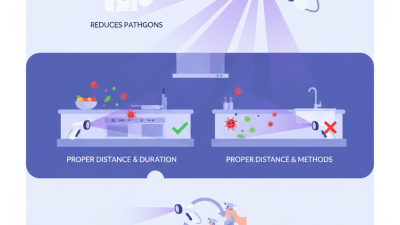
However, the effectiveness of UV light depends on several factors. The distance between the light source and the surface is crucial. A greater distance may reduce efficiency significantly. Surfaces must be clean and free of obstructions. Dust or debris can shield pathogens from UV exposure. Some reports suggest that ensuring adequate coverage is vital. Inadequate treatment may lead to remaining viable pathogens.
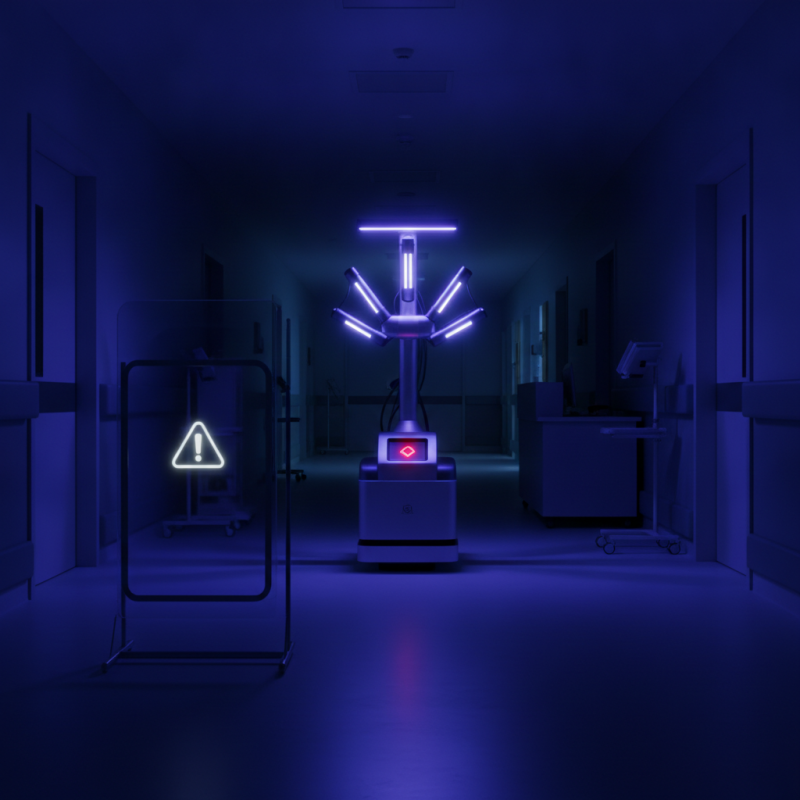
Safety is another important consideration. UV light can harm human skin and eyes. Precautionary measures must be in place when using UV sterilization methods. Periodic monitoring of equipment ensures it operates within effective parameters. Understanding these factors can lead to better, more reliable sterilization outcomes using UV light.
Types of UV Light Used for Sterilization Purposes
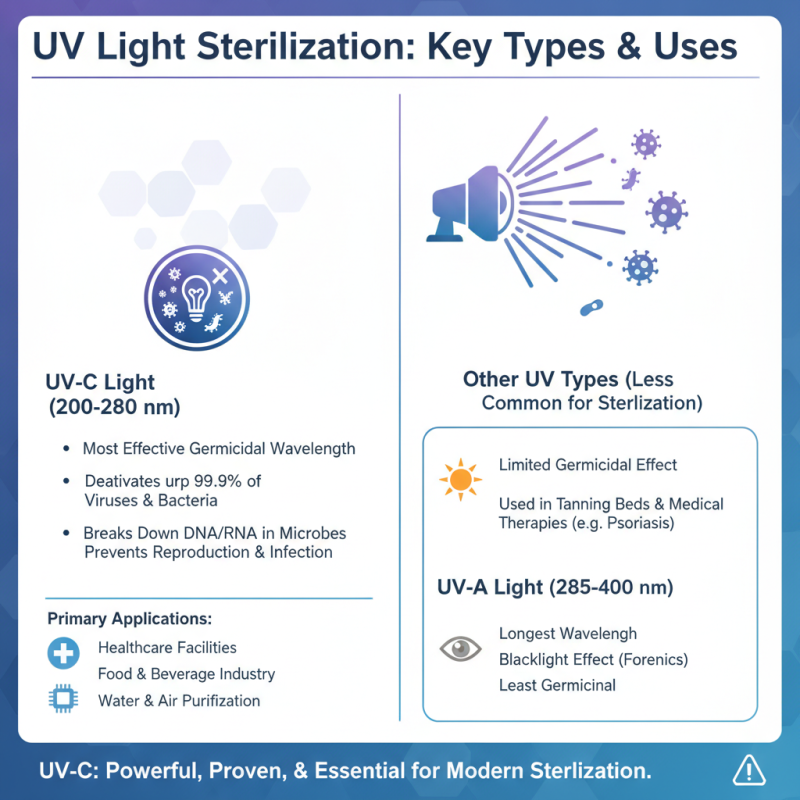
Ultraviolet (UV) light is gaining attention for its effectiveness in sterilization. Understanding the types of UV light used is crucial for optimal results. UV-C light, with wavelengths between 200 to 280 nanometers, is the most effective for killing germs. Reports indicate that UV-C can deactivate up to 99.9% of viruses and bacteria on surfaces. This makes it a powerful tool in healthcare and food industries.
Another type, UV-A light, operates between 320 to 400 nanometers. This range is less effective against pathogens. However, UV-A is often combined with photosensitizers to enhance sterilization. The sunlight exposure factor is also worth mentioning. Nearly 85% of natural sunlight consists of UV-A, making it crucial for understanding natural disinfection processes.
While UV light is promising, safety is a concern. Overexposure can harm human skin and eyes. Testing for adequate UV dosage is essential. Research suggests that a dose of at least 10 mJ/cm² is necessary to achieve effective disinfection. This raises questions about the balance between effectiveness and safety. As the use of UV for sterilization expands, ongoing studies will help refine protocols for better efficacy and safety.
Best Practices for Effective UV Sterilization Techniques
UV light has emerged as an effective tool for sterilization in various settings. Proper techniques are critical to maximize its benefits. Studies reveal that UV-C light, specifically, can reduce pathogens by 99.9% within minutes. This makes it ideal for disinfecting surfaces, air, and water. However, effectiveness depends on exposure time, distance from the surface, and the intensity of the UV light source.
To implement UV sterilization effectively, several best practices are essential. Firstly, ensure direct exposure to the light. Obstacles can block UV rays, reducing efficiency. Moreover, consider the duration of exposure; longer times may be necessary for certain pathogens. According to a report by the CDC, surfaces should receive a minimum of 30 seconds of direct UV exposure. Regularly check and maintain equipment to ensure proper functionality. Additionally, remember that UV light is harmful to human skin and eyes. Hence, safety precautions must be taken to prevent accidental exposure.
It’s important to acknowledge the limitations of UV sterilization. Not all materials react the same way to UV light. Certain surfaces may degrade over time under UV exposure. Also, UV light does not penetrate opaque surfaces or biofilms effectively, leading to potential areas of contamination. Continuous monitoring and adaptation are crucial for effective sterilization. Balancing these aspects can help achieve optimal disinfecting results with UV technology.
Safety Precautions When Using UV Light for Disinfection
Using UV light for sterilization offers effective disinfection. However, safety precautions are critical to ensure its efficacy and protect users. UV light can harm skin and eyes. Experts recommend wearing protective clothing and UV-blocking goggles during use. It's essential to limit direct exposure. The American Conference of Governmental Industrial Hygienists (ACGIH) provides guidelines for safe operating distances and exposure times.
Data shows that UV-C light can eliminate up to 99.9% of pathogens. Yet, not all UV sterilization devices are created equal. Users should be aware that shadows or obstructions can reduce effectiveness. Surfaces must be clean before using UV light. The Centers for Disease Control and Prevention (CDC) emphasize cleaning surfaces as a prerequisite to UV disinfection.
Regular maintenance of UV equipment is necessary. Lamp degradation can lead to reduced effectiveness over time. Monitoring UV dosage and intensity ensures reliable disinfection. Personal exposure must be carefully monitored, as repeated exposure can have cumulative effects. Refining UV sterilization practices is vital to enhance safety and effectiveness in disinfection efforts.
Applications of UV Sterilization in Various Industries
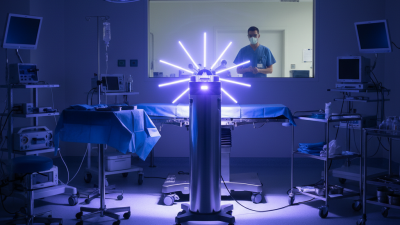
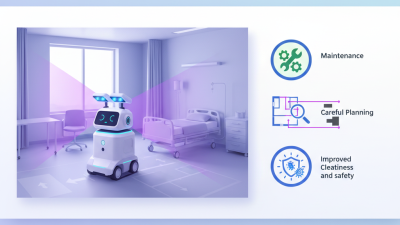
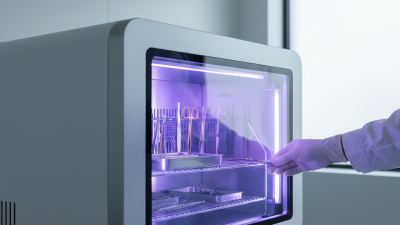
UV sterilization has gained traction across various industries for its effective disinfecting properties. In healthcare, UV light is used to decontaminate surgical instruments and patient rooms. Studies show that it can eliminate up to 99.9% of bacteria and viruses off surfaces, which helps in reducing hospital-acquired infections. However, concerns about effective coverage and shadowed areas may hinder complete sterilization, requiring careful strategic placement of UV devices.
In the food industry, UV light helps in extending shelf life. It inactivates pathogens on food surfaces without heating, thus preserving quality. Restaurants and food processing plants increasingly rely on UV systems. Yet, variations in food shapes and sizes can complicate consistent exposure. Addressing these gaps is a challenge.
Water treatment plants also utilize UV technology. It disinfects water by eliminating harmful microorganisms efficiently. However, water clarity can affect the performance of UV systems. Regular maintenance and monitoring of UV intensity are crucial for optimal functioning. The potential to innovate within these applications is vast, yet there are pitfalls that industry professionals must continuously navigate.
How to Use UV Light for Sterilization Effectively?
| Industry |
UV Application |
Effectiveness |
Notes |
| Healthcare |
Surface disinfection |
99.9% pathogen reduction |
Effective against bacteria and viruses |
| Food Industry |
Water treatment |
Eliminates 90-99% microorganisms |
No chemical residues |
| Laboratories |
Air sterilization |
95% airborne pathogen reduction |
Used in BSL-2 and above settings |
| Hospitality |
UV room sterilizers |
Highly effective against bacteria |
Short exposure times required |
| Agriculture |
Soil pretreatment |
Improves plant health |
Reduces soil-borne pathogens |