Choosing a uv disinfection system hospital teams can use reliably begins with a clear question: what risk should the device reduce? CDC estimates that about one in 31 hospitalized patients has at least one healthcare-associated infection on any given day. That figure gives infection prevention teams a practical reason to examine environmental cleaning, but ultraviolet light is not a shortcut around it. A device’s value depends on room layout, workflow, exposure time, and whether staff can use it consistently.
Evidence offers a useful, measured starting point. In the 2017 BETR Disinfection study, adding UV-C to standard cleaning with quaternary ammonium disinfectant was associated with a 30% lower risk of the study’s composite outcome for patients entering rooms previously occupied by patients with targeted pathogens. The result came from a specific hospital setting and protocol. It should not be treated as a guarantee for every facility. William A. Rutala and David J. Weber, infection-prevention researchers, describe no-touch technologies as “adjuncts to, and not replacements for, standard cleaning and disinfection” in their CDC-authored guidance.
That distinction should shape procurement. Compare independently tested performance, room coverage, cycle time, safety controls, maintenance needs, and compatibility with existing cleaning procedures. Ask vendors how results were measured, under what conditions, and by whom. A unit that sits unused between beds is not much of a safeguard. Neither is a polished brochure. This guide examines how to match system design and evidence to a hospital’s actual rooms, staffing, and infection-control goals—while leaving room to question assumptions as new data emerge.
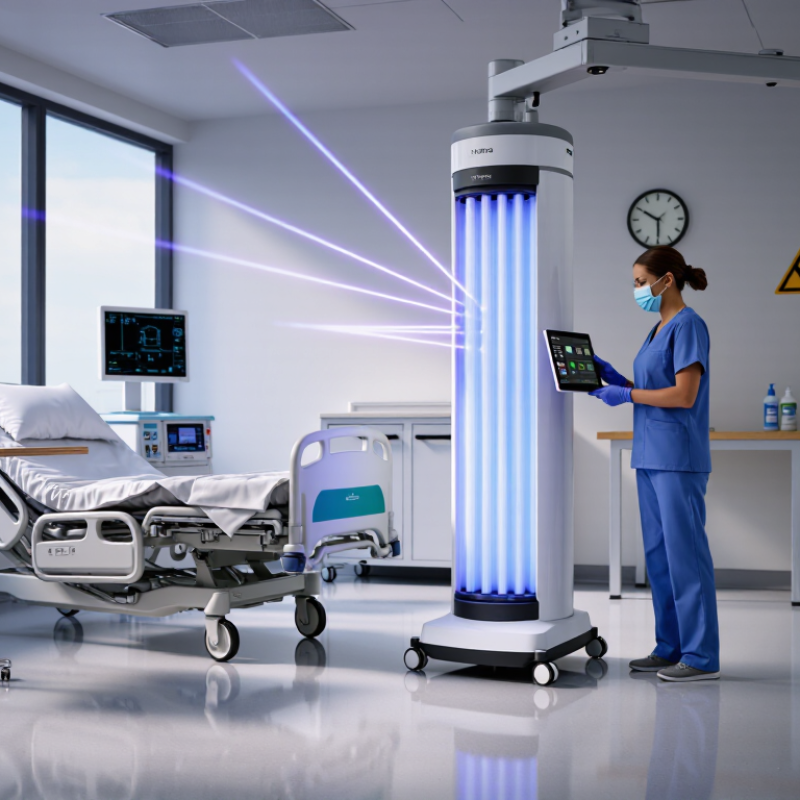
Before choosing a UV disinfection system, map where contamination risks occur and how each space is used. A patient room after discharge has different needs from an occupied treatment area. Note room dimensions, surface types, equipment placement, and the time available between patients. Small details matter. A movable cart can cast a shadow across a bed rail.
Work with infection-prevention staff, environmental services, and facilities teams to identify priority targets. These may include high-touch surfaces in isolation rooms, procedure areas, or shared equipment zones. UV-C light works only where sufficient light reaches a surface, so clutter and placement can limit exposure. It does not replace manual cleaning. That distinction is easy to overlook.
Consider whether the goal is surface treatment, air treatment, or both. Each requires a different system design and assessment. Ask how exposure is measured, how room layout affects coverage, and how staff will confirm cycles are completed. A device’s stated output alone cannot show that every target received an effective dose. Pilot testing in representative rooms can reveal practical gaps. The first plan may need revision. Hospitals should also document operating steps, maintenance needs, and staff training before routine use.
Hospitals should compare UV technologies by wavelength, delivered dose, room coverage, and maintenance needs—not by lamp type alone. Low-pressure UV-C systems have a long history of use and need scheduled lamp checks and replacement. UV-C LEDs switch on quickly and allow flexible designs, though output and operating costs vary. Pulsed xenon systems deliver brief, broad-spectrum flashes, so hospitals should review independent performance data and cycle requirements. A perfect setup does not exist.
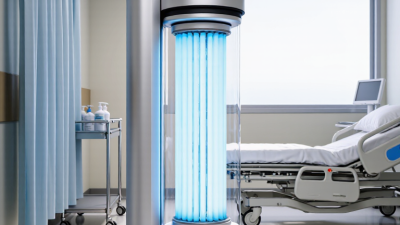
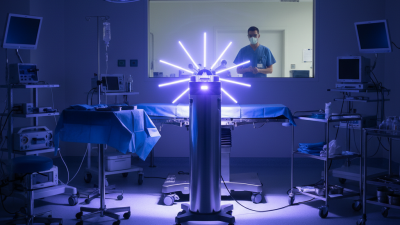
Configuration matters just as much. Mobile whole-room units can treat an empty patient room between occupants, but beds, curtains, and equipment create shadows. Staff may need to move items and reposition the unit. Upper-room UV systems treat air near the ceiling and can operate in occupied spaces when properly designed, installed, and maintained. In-duct systems treat moving air, not exposed room surfaces. UV works best as a supplement to routine cleaning, not a replacement.
Tips: Ask for dose or efficacy data under realistic room conditions. Check occupancy safeguards, room-size limits, sensor placement, and maintenance records. Walk the room before choosing. A cart may not fit beside every bed, and that detail is easy to miss.
A hospital UV disinfection system should fit the room, not just its floor plan. Check whether the unit can reach bed rails, high-touch surfaces, and bathroom areas without blocked paths. UV-C works best on exposed surfaces; shadows and distance can reduce the dose. The CDC’s Guideline for Disinfection and Sterilization in Healthcare Facilities treats UV as supplementary, not a replacement for thorough manual cleaning. Small details matter.
Safety controls must match local practice. UV-C can injure eyes and skin, so use systems with occupancy safeguards, clear warning signals, and a defined room-clearance procedure. Staff should know who checks the room, starts the cycle, and confirms it has ended. In the 2017 BETR Disinfection study, adding UV-C to standard cleaning was associated with a 30% lower risk of acquiring targeted organisms among patients entering certain rooms. The result supports use as an added layer, not a guarantee.
Workflow fit is practical, not theoretical. Measure cycle time against room-turnover targets, and confirm staff can position the unit consistently. Check compatibility with furnishings and equipment, since repeated exposure may affect some materials. That gap matters. A missed room, poor placement, or rushed cleaning can weaken the benefit; hospitals should review adherence and outcomes after installation, rather than assuming the technology will solve workflow problems.
A hospital UV disinfection system should be judged by evidence, not headline percentages. Ask what the test measured: reduction of which microorganism, on which surface, at what distance, and after how much exposure? A result from a clean laboratory coupon may not predict performance around bed rails or equipment. Shadows matter. So does room layout.
Request complete test reports from a qualified, independent laboratory, not just a certificate or summary sheet. Check the test method, sample conditions, dose measurements, and any limitations. Confirm that the tested configuration matches the unit offered, including its lamps, sensors, and software. Short cycle times deserve particular scrutiny. A fast cycle is useful only if the required dose reaches target surfaces consistently.
Review regulatory documentation for the system’s intended use and the markets where it will operate. Ask your compliance team to verify applicable requirements; registration or clearance does not automatically prove effectiveness in every room. During a site trial, record cycle duration, placement, sensor readings, and maintenance needs. Staff should understand interlocks and exposure controls. UV is not a substitute for routine cleaning. I would also question my own assumptions: a successful demonstration in one room can hide problems in another. Keep the raw records, including failed or interrupted cycles.
| Evaluation dimension | What to verify | Evidence to request | Warning signs |
|---|---|---|---|
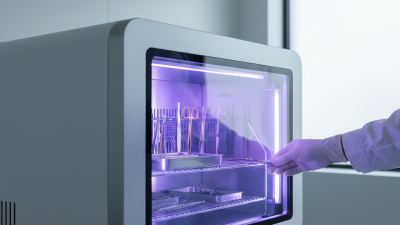
| Intended use and scope | Identify whether the system is intended for room air, exposed surfaces, water, or medical-device reprocessing. Confirm that the proposed use matches the hospital’s workflow. | Instructions for use, intended-use statement, operating limitations, and written confirmation of the applications covered by the performance evidence. | One test result is presented as proof of performance across unrelated applications, organisms, or room types. |
| Wavelength and UV source | Check the emitted wavelength range and source type. UV-C is commonly used for germicidal applications; the wavelength alone does not establish real-world disinfection performance. | Spectral output data measured with suitable instrumentation, plus operating and maintenance documentation for the UV source. | A wavelength or lamp rating is used as the only evidence of microbial reduction. |
| Dose and exposure time | Ask how UV dose is determined at the target location. For a constant irradiance, dose is irradiance multiplied by exposure time; dose units commonly include mJ/cm². | Dose calculations and measurements, stated units, measurement locations, cycle duration, and the operating conditions used. | A dose figure is quoted without units, measurement location, exposure time, or test conditions. |
| Coverage and shadowing | Assess room layout, distance, line of sight, and objects that block UV. Surfaces hidden from the source may receive less UV exposure. | Room-specific dose mapping or validated coverage guidance, including measurements at the least-exposed relevant locations. | A single measurement near the source is used to represent every surface in the room. |
| Microbial efficacy testing | Check the organisms tested, test surface or medium, initial microbial load, UV conditions, controls, replicates, and reported log reduction. Results apply only to the conditions tested. | Complete test reports from a qualified laboratory. ASTM E3135 is one practice for evaluating UV germicidal efficacy against microorganisms on surfaces; confirm its applicability to the claim being assessed. | Marketing summaries without methods, organism details, controls, or test reports; claims generalized beyond the tested conditions. |
| Measurement quality | Confirm that irradiance measurements use a calibrated instrument appropriate for the source wavelength and the measurement task. | Instrument model and calibration records, measurement method, sensor placement, and relevant uncertainty information. | Performance is supported only by uncalibrated readings or measurements made with an unsuitable sensor. |
| Human and equipment safety | Review exposure controls, warning indicators, access restrictions, interlocks, and safe operating procedures. Check compatibility with room equipment and materials. | Risk assessment, safety instructions, applicable electrical and photobiological safety documentation, and details of safeguards for the intended installation. | No documented exposure controls or safety procedures for the proposed operating mode. |
| Regulatory and claims review | Check the rules that apply in the installation jurisdiction and to the product’s intended use and claims. In the United States, certain products making antimicrobial claims may fall under EPA pesticide-device requirements; medical-device-related uses can involve other regulatory considerations. | Applicable registrations, establishment information, labeling, instructions for use, and regulatory documentation verified for the relevant jurisdiction and claims. | A regulatory identifier or establishment number is presented as proof of efficacy or as approval for every claimed use. |
| Cleaning and infection-prevention workflow | Confirm that UV use complements, rather than replaces, the facility’s established cleaning and disinfection procedures. Soil and surface conditions can affect outcomes. | Written workflow showing when the system is used, who operates it, and how cycles are documented alongside routine environmental cleaning. | The system is promoted as a substitute for routine cleaning without evidence supporting that use. |
| Monitoring and ongoing performance | Plan for routine checks of cycle completion, sensor function, source output, and maintenance needs. Follow the manufacturer’s instructions and the hospital’s validation process. | Maintenance schedule, alarms and fault handling, service records, cycle logs, and a documented procedure for periodic performance verification. | No method is provided to identify incomplete cycles, declining output, or overdue maintenance. |
Use this checklist with the hospital’s infection-prevention, facilities, occupational-safety, and regulatory teams. Verify requirements with the relevant authorities for the intended use and jurisdiction.
Before installing a UV disinfection system, map how rooms are actually used. Note bed locations, curtains, equipment, and the time available between patients. UV-C works best when surfaces receive direct exposure; shadows can limit its effect. Small details matter. Choose equipment and placement with infection prevention staff, facilities engineers, and the manufacturer’s instructions in mind.
Plan installation around patient care, not just construction schedules. Check electrical access, storage, room dimensions, and how staff will move equipment safely. Define who can start a cycle and how the room will be kept unoccupied during operation. Train staff with a practical demonstration: show them how to position the unit, check the cycle, and respond if it stops early. A checklist near the room can help, though staff may not use it consistently at first.
Ongoing maintenance needs a named owner and a realistic schedule. Track operating hours, lamp or component changes, sensor checks, and service records. Verify that equipment reports cycles accurately, and investigate repeated interruptions rather than treating them as routine. Review the process after room changes or staff feedback. The plan will not be perfect on day one; a crowded room can expose gaps that training alone cannot fix. UV treatment should support, not replace, routine cleaning and disinfection.
This website uses cookies to ensure you get the best experience on our website. Learn More
ACCEPT