What is UV Sterilizer in Medical Equipment and How Does it Work?
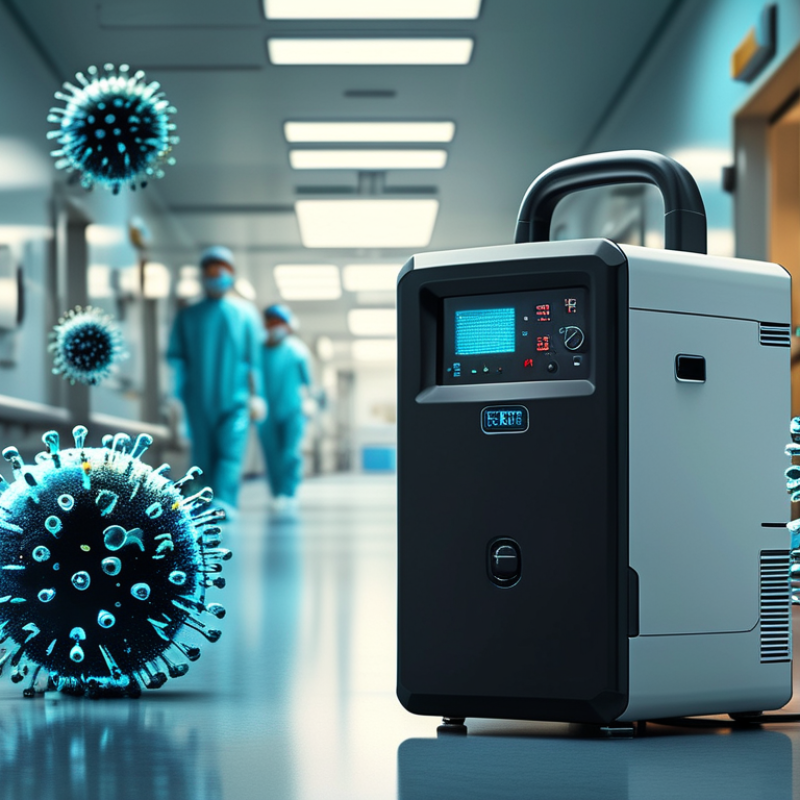
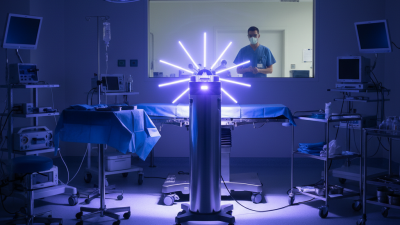
The role of UV sterilizer medical equipment in healthcare is becoming increasingly vital. These devices utilize ultraviolet light to eliminate harmful microorganisms. This technology helps maintain a sterile environment in medical facilities.
Medical equipment can harbor bacteria and viruses, making sterilization crucial. The UV sterilizer medical equipment acts quickly, reducing infection risks. However, there are challenges involved in its use. Not all surfaces may be adequately exposed to UV light, which may lead to incomplete sterilization.
Understanding how these devices work can help improve their effectiveness. Awareness of their limitations is essential. While UV sterilizers offer promising results, there is always room for improvement. Exploring this technology further can lead to better practices and outcomes in patient care.
Understanding UV Sterilizers in Medical Equipment
UV sterilizers play a crucial role in the medical field. They utilize short wavelength ultraviolet light to kill or inactivate pathogens. This technology reduces the risk of infections in healthcare settings.
According to a report from the World Health Organization, around 500,000 deaths each year are linked to healthcare-associated infections. Effective sterilization methods are paramount in combating this issue.
The mechanism behind UV sterilization involves the absorption of UV light by the DNA or RNA of microorganisms. This leads to mutations that can prevent replication. Studies have shown that UV-C light can effectively eliminate up to 99.9% of various pathogens, including bacteria and viruses.
However, improper use can lead to shadows where UV light cannot reach, leaving areas unsterilized. Maintaining proper protocols is essential to ensure efficacy.
Despite its advantages, UV sterilization has limitations. It does not remove dirt or organic matter. Surfaces must be cleaned before UV application. Some health professionals remain skeptical about its effectiveness, emphasizing a layered approach to sterilization.
Thoughtful implementation and regular monitoring can enhance the utility of UV sterilizers in preventing infections.
The Science Behind UV Sterilization Technology
UV sterilization technology uses ultraviolet light to eliminate harmful microorganisms. This method is widely used in medical equipment. It works by disrupting the DNA of bacteria, viruses, and fungi, rendering them unable to replicate. This process is effective and provides a chemical-free solution for sterilization.
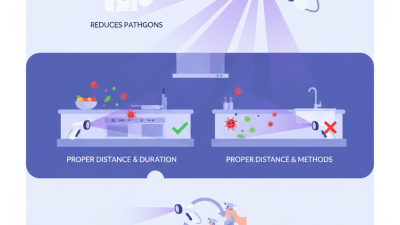
When considering the implementation of UV sterilizers, it's essential to ensure proper exposure time. Inadequate exposure may lead to incomplete sterilization. Understanding the correct distance between the light source and the surface also matters. Factors such as shadowing can limit effectiveness. Regular maintenance and cleaning of the UV lamps are necessary to sustain optimal performance.
Tips to remember include ensuring surfaces are clean before UV exposure. This enhances the sterilization impact significantly. Lastly, always follow safety protocols. Direct exposure to UV light can harm skin and eyes. Awareness and precautions are key components of using UV technology effectively in a medical setting.
What is UV Sterilizer in Medical Equipment and How Does it Work?
| Dimension |
Description |
| UV Light Type |
Ultraviolet C (UVC) |
| Wavelength Range |
200 - 280 nm |
| Mechanism |
DNA damage to microbes |
| Applications |
Hospital rooms, surgical instruments, water purification |
| Advantages |
Effective against bacteria and viruses, chemical-free |
| Disadvantages |
Limited penetration, requires direct exposure |
| Maintenance |
Regular bulb replacement, cleaning of surfaces |
| Safety Precautions |
Protect skin and eyes from UV exposure |
Types of UV Sterilizers Used in Healthcare Settings
UV sterilizers are essential in healthcare, ensuring the safety of medical environments. They use ultraviolet light to kill or inactivate microorganisms. This method is effective against bacteria, viruses, and fungi. Healthcare facilities often choose specific types of UV sterilizers based on their needs.
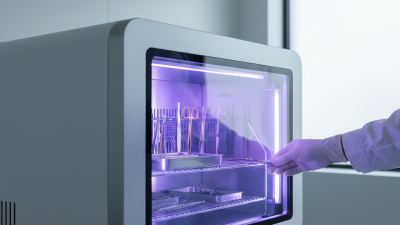
One common type is the handheld UV sterilizer. It's portable and easy to use. Staff can quickly disinfect surfaces or equipment in various areas. Another popular option is the chamber UV sterilizer. These systems provide thorough sterilization of medical instruments. They are often used in operating rooms or sterilization departments.
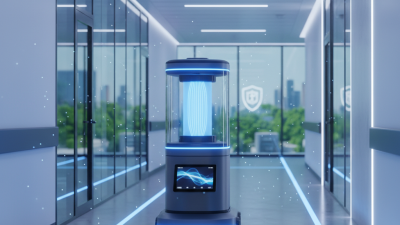
There are also UV air purifiers, which focus on improving air quality. They help reduce airborne pathogens in patient rooms and waiting areas. Effectiveness can vary based on design and usage. It's essential to regularly reassess the choice of sterilizers for optimal results. Understanding limitations can enhance sterilization practices.
Applications of UV Sterilizers in Infection Control
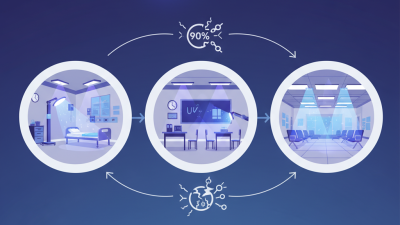
UV sterilizers play a pivotal role in infection control within medical settings. They utilize ultraviolet light to eradicate bacteria, viruses, and other pathogens. This method is fast and efficient, making it suitable for various environments. Hospitals, dental clinics, and laboratory equipment frequently employ UV sterilization to ensure safety.
Applications range from surface disinfection to sterilizing instruments. For instance, medical devices can be exposed to UV-C light to eliminate microbial contaminants. The process is straightforward but may require careful monitoring. Different materials react differently to UV light, so efficacy can vary. Some challenges include shadowing, where certain areas may not receive adequate exposure.
Understanding the limitations of UV sterilizers is crucial. Not all pathogens are equally susceptible to UV treatment. Healthcare providers must remain vigilant and consider combining UV sterilization with other techniques. Regular evaluations of UV systems are necessary to maintain their effectiveness. This ongoing reflection helps improve infection control practices and patient safety.
Benefits and Limitations of UV Sterilization in Medicine
UV sterilization has gained traction in the medical field for its efficiency in eliminating pathogens. This technology uses ultraviolet light to disrupt the DNA or RNA of microorganisms, rendering them incapable of reproduction. Its effectiveness can reduce the risk of infections in clinical settings. Many hospitals have integrated UV sterilizers into their infection control protocols, highlighting their perceived value.
However, the limitations of UV sterilization warrant careful consideration. For instance, UV light can only disinfect surfaces directly exposed to it. Shadows created by equipment or materials can lead to incomplete sterilization. Additionally, prolonged exposure to UV light can damage certain materials, such as plastics. The technology also does not remove dirt or organic material, which can shield microbes from the UV light. While UV sterilization is a promising tool, healthcare professionals must remain aware of its constraints and best practices.