How to Use UV Light Decontamination Effectively?
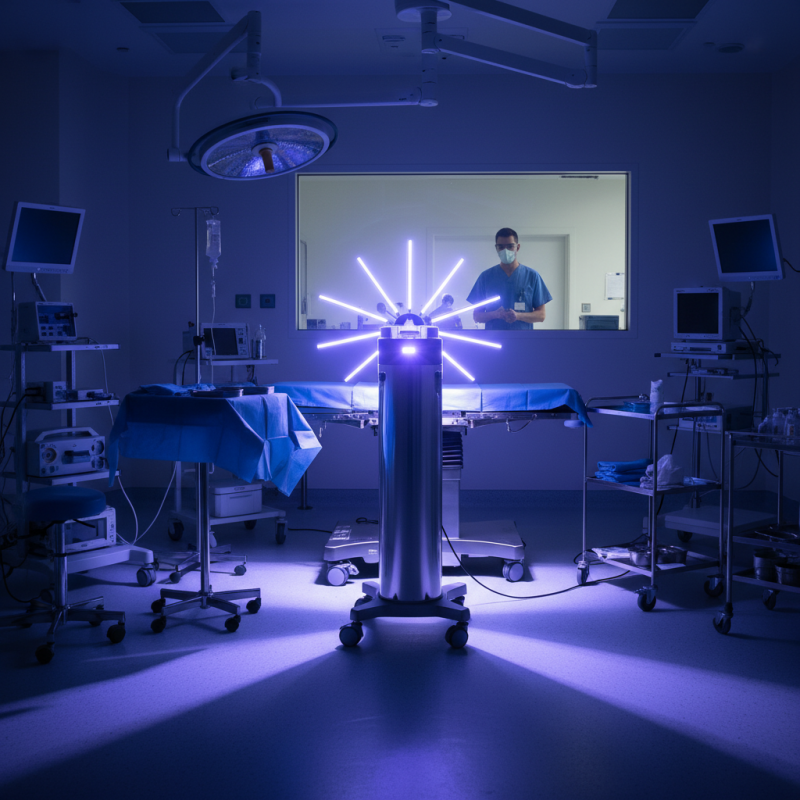
UV light decontamination has gained attention in various fields. This technology uses ultraviolet light to eliminate harmful pathogens. It is increasingly popular in hospitals, laboratories, and even homes. Many see it as a quick solution to improve hygiene.
However, the effectiveness of UV light decontamination depends on various factors. Not all surfaces react the same way to UV light. Shadows and obstructions can lead to incomplete disinfection. Additionally, the intensity, distance, and exposure time also matter. People often overlook these details, leading to ineffective results.
Also, users may not fully understand safety precautions. Prolonged exposure to UV light can harm human skin and eyes. Understanding these risks is crucial. Proper training can enhance the effectiveness of UV light decontamination while ensuring safety. Awareness is key to harnessing its full potential.
Understanding UV Light and Its Germicidal Properties
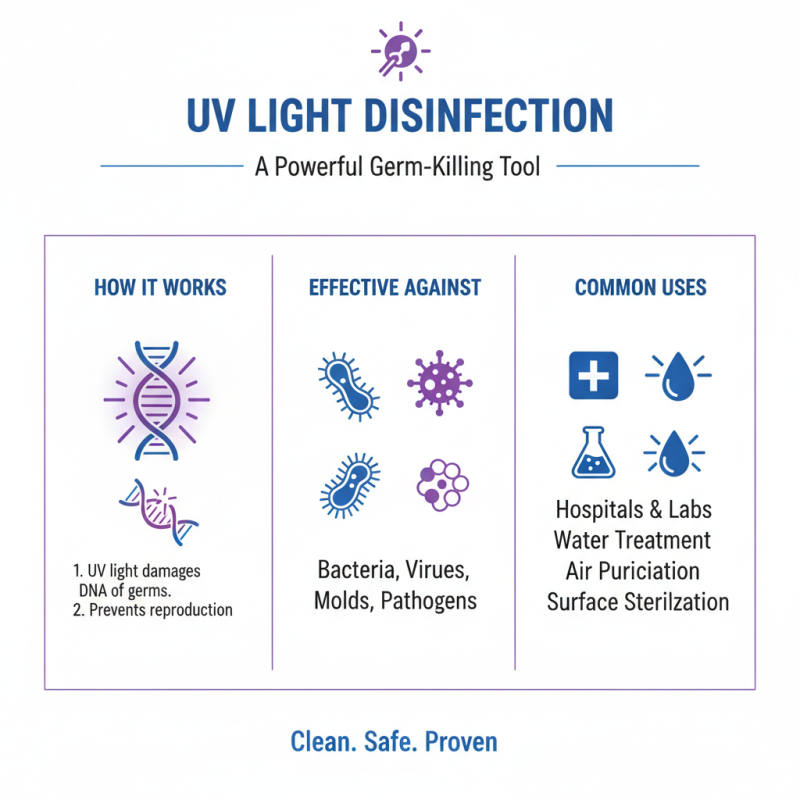
Ultraviolet (UV) light is a powerful tool for disinfection. It can effectively kill germs and pathogens. This property is due to its ability to damage the DNA of microorganisms. When the DNA is disrupted, the germs can no longer reproduce. This makes UV light an attractive option for various settings, such as hospitals and laboratories.
When using UV light, remember to consider exposure time. Longer exposure increases effectiveness. Be mindful of distance too; the closer the light source, the better it works. Always ensure the area is free from direct human contact during disinfection. UV rays can be harmful to skin and eyes.
Tips: Use a UV light source that emits the right wavelength, typically between 200-280 nanometers. Regularly check the equipment for effectiveness. Not all surfaces respond the same way to UV light. Reflective surfaces can enhance its reach, while porous materials may shield germs.
Monitor and validate the process regularly. Each surface may require a different approach. This approach helps avoid any overconfidence in the disinfection process. Consistency is key, but some areas may need re-evaluation. Stay informed about the limitations of UV disinfection.
Types of UV Light Used in Decontamination Processes
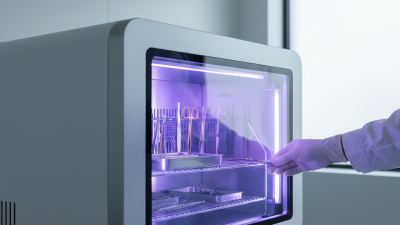
UV light is an effective tool for decontamination, with different types used in various settings. The most common types of UV light include UV-C, UV-B, and UV-A. UV-C is the most effective for disinfecting surfaces. It penetrates microbial cell walls, causing damage to their DNA. This results in the inactivation of bacteria, viruses, and fungi.
UV-B is less commonly used in decontamination. It can cause skin damage and is mostly known for its role in vitamin D synthesis. UV-A, while not effective for disinfection, is often utilized in phototherapy settings. Understanding the specific applications of each type is crucial for effective decontamination strategies.
It's important to note that not all surfaces react the same way to UV light. Some materials may block or absorb UV rays, reducing its effectiveness. In some cases, using UV light alone might not suffice. Effective decontamination often requires combined strategies, including physical cleaning. Additionally, safety precautions are essential. Overexposure to UV light can be harmful to humans. Understanding these factors ensures a balanced approach to UV light decontamination.
Best Practices for Effective UV Light Application
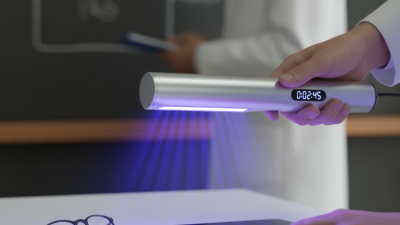
When using UV light for decontamination, understanding the best practices is crucial. Optimize the distance between the UV source and the surface. The closer the light, the more effective it may be. However, be cautious of potential damage to sensitive surfaces. A distance of approximately one meter often works well for most applications.
Timing is also key. Exposure time matters greatly. A surface may need several minutes of direct UV light to achieve effective disinfection. For high-touch areas, consider longer exposure to ensure safety. Regularly monitor the UV device to confirm it's functioning properly. If it shows signs of wear, the output may decrease.
It's important to remember that UV light cannot penetrate all materials. Shadows can create unexposed areas that harbor germs. Regular assessments of surfaces are necessary to ensure thorough decontamination. Users should reflect on the limitations of UV technology while integrating it into their cleaning protocols. Consider combining UV light with other methods for the best results.
Safety Precautions During UV Light Decontamination
When using UV light for decontamination, safety precautions are vital.
UV-C light can be harmful to skin and eyes. According to the
Centers for Disease Control and Prevention (CDC), exposure can cause
severe burns or long-term skin damage. Always wear protective clothing and goggles. This reduces the risk of accidental exposure during the process.
Ensure the area being treated is unoccupied. A study published in the
Journal of Hospital Infection noted that UV-C light efficacy declines when there are obstructions.
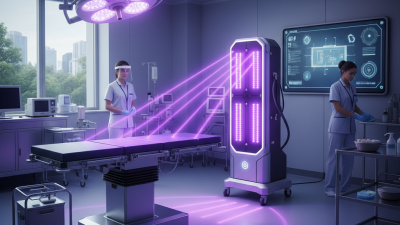
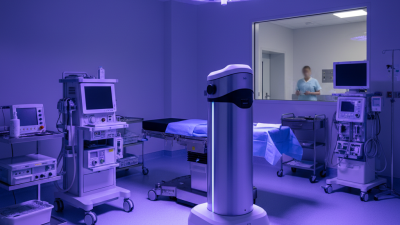
Furniture and other items can block UV rays. If possible, move them out of the way. If not, use a rotating device to ensure thorough disinfection.
Frequent monitoring of UV intensity is essential. Research from the
World Health Organization suggests that UV intensity decreases over time. Regular maintenance checks can enhance effectiveness.
It's a practice often overlooked in decontamination routines. Without this, rooms may not receive adequate disinfection, leading to potential health risks.
Always label areas that have been treated and ensure safety before re-entry.
Limitations and Considerations for UV Light Use
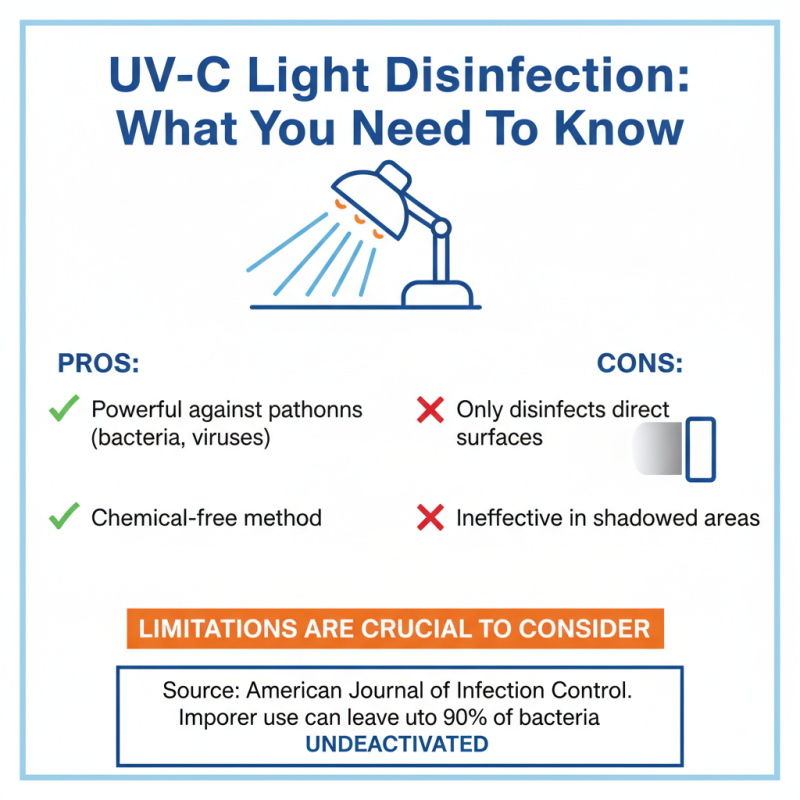
UV light decontamination offers a promising solution against pathogens. However, it has limitations that users must consider. Notably, UV-C light, the most effective range for disinfection, only works on direct surfaces. Any shadowed areas can remain contaminated. A study from the American Journal of Infection Control indicated that when UV light is used improperly, it may fail to deactivate up to 90% of bacteria in certain environments.
Another critical factor is exposure time. Different microorganisms require varying durations of UV exposure to achieve effective disinfection. For example, the CDC notes that some viruses can survive even with minimal exposure. It’s crucial to follow specific guidelines regarding distance and duration. Relying solely on UV light could lead to a false sense of security.
Moreover, safety is paramount. Prolonged exposure can harm human skin and eyes. It’s essential to use protective gear when cleaning. With potential risks and specific conditions required for effectiveness, careful planning is essential for successful UV disinfection. Overlooking these factors could lead to inadequate decontamination and serious health risks.