How to Use Pulsed UV Disinfection for Effective Sanitation?
Pulsed UV disinfection is gaining traction in sanitation practices. This technology effectively eliminates pathogens in various environments, including healthcare and food processing industries. A report by the National Sanitation Foundation highlights that pulsed UV light can reduce bacteria by over 99.9%. This is critical as sanitation needs rise globally.
Dr. Linda Tracey, an expert in disinfection technologies, states, "Pulsed UV disinfection offers a rapid, effective solution for modern sanitation challenges." However, challenges exist. Some facilities may overlook essential maintenance of pulsed UV systems.
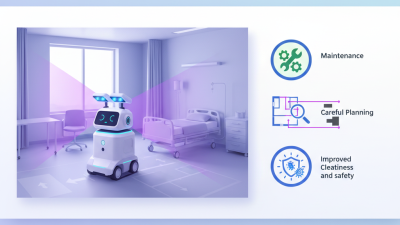
Moreover, achieving optimal placement and intensity for the light can be tricky. Users must be cautious about over-relying on this method alone. It is vital to understand that pulsed UV disinfection should complement, not replace, traditional sanitation practices. Awareness and thoughtful implementation are key to harnessing its full potential.
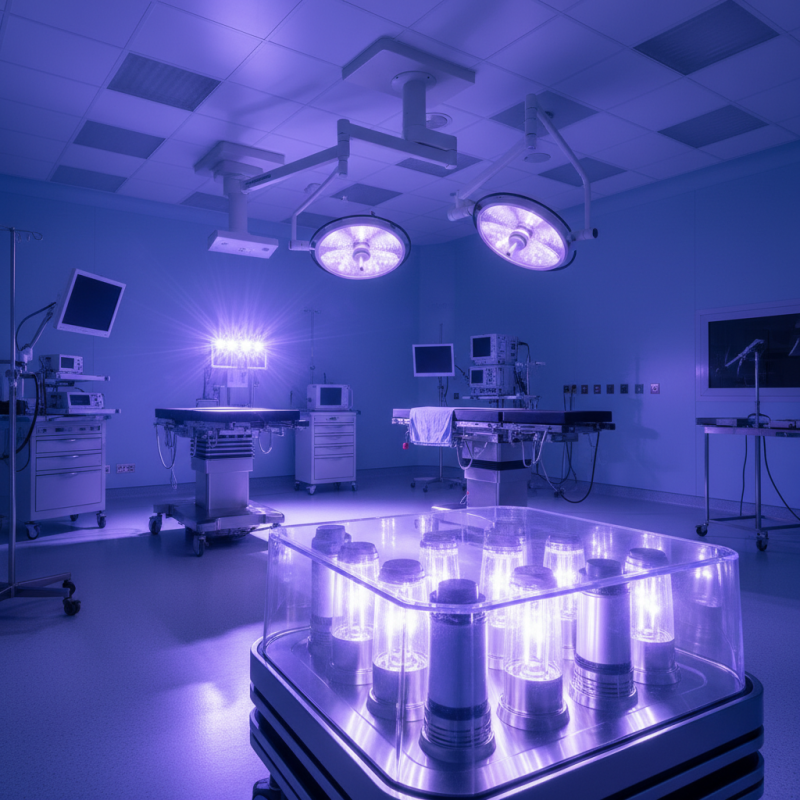
Understanding Pulsed UV Disinfection Technology
Pulsed UV disinfection is an innovative method for sanitation. It uses short bursts of ultraviolet light to eliminate pathogens. This technology is efficient and effective, making it suitable for various applications.
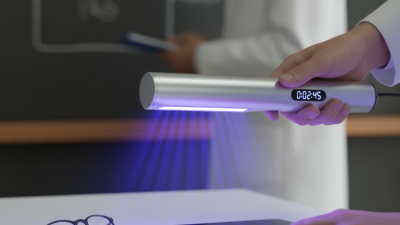
Understanding how pulsed UV works is essential. The system emits UV light in rapid pulses, allowing for greater energy delivery to microorganisms. This burst effect disrupts their DNA, killing them quickly. It can cover large areas in a shorter time than traditional methods.
Tips: Always ensure surfaces are clean before using the technology. Dust and debris can shield pathogens from UV light. Regular maintenance of the equipment is vital to ensure optimal performance.
While pulsed UV disinfection is powerful, it is not infallible. Some microorganisms may develop resistance. Periodic evaluation of disinfection effectiveness is recommended. Consider combining it with other sanitation methods for enhanced results. That can improve overall safety and hygiene.
Key Advantages of Pulsed UV Disinfection for Sanitation
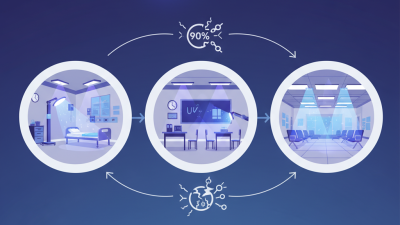
Pulsed UV disinfection offers unique advantages in sanitation. It harnesses short bursts of ultraviolet light to inactivate pathogens quickly. This method is efficient and effective, making it suitable for diverse environments, from hospitals to kitchens. Facilities can benefit from shorter sanitation times compared to traditional methods.
One of the remarkable aspects is its ability to penetrate organic matter. Unlike chemical disinfectants, pulsed UV can deliver results even in challenging conditions. It reduces the risk of resistant microorganisms. However, not all setups allow for optimal exposure, leading to potential blind spots.
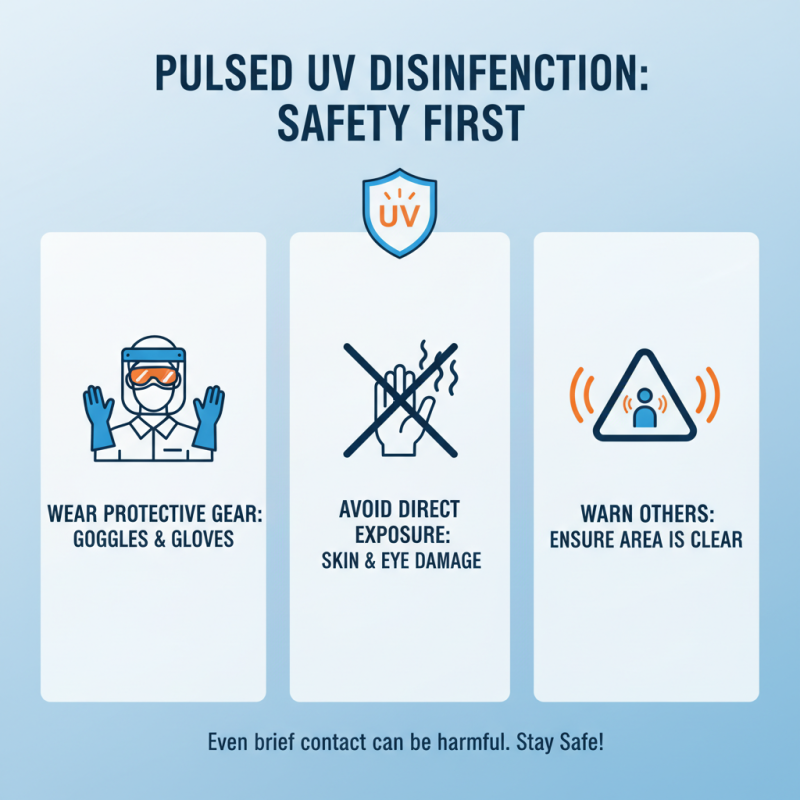
While the technology is innovative, users must consider operational challenges. Equipment must be properly calibrated for maximum effect. Training staff is crucial, too. They need to understand how to integrate this method into existing protocols. Over-reliance on any single disinfection method can lead to complacency. Combining pulsed UV with other sanitation techniques ensures comprehensive protection.
Steps to Implement Pulsed UV Disinfection in Facilities
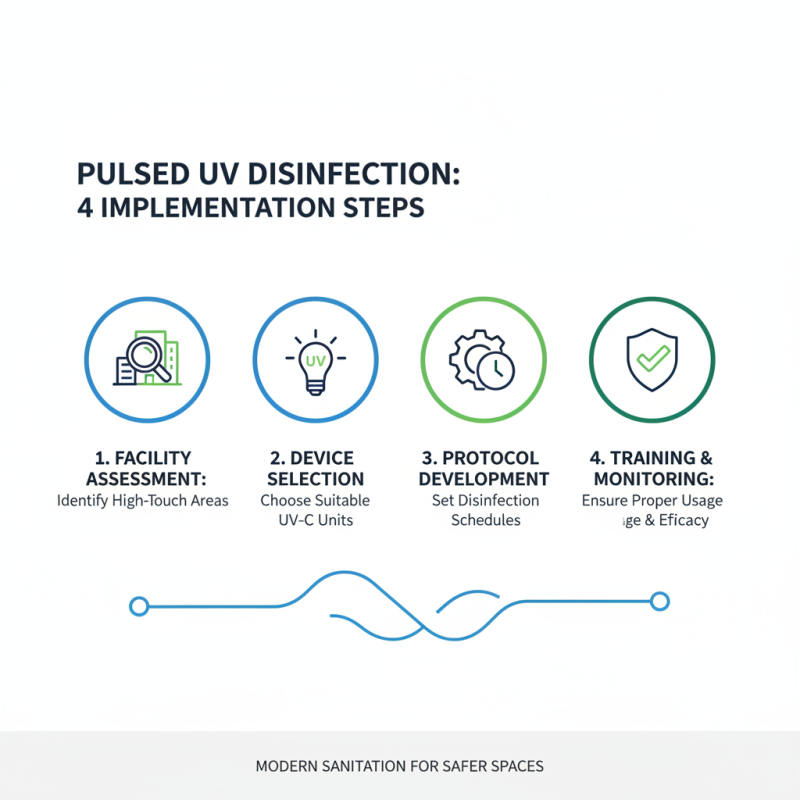
Pulsed UV disinfection offers a modern approach to sanitation in various facilities. To implement this method effectively, understanding the steps is crucial. Begin with conducting a thorough assessment of your facility. Identify high-touch areas that require frequent disinfection, such as door handles, light switches, and countertops.
Once you have pinpointed these zones, choose the right pulsed UV system for your needs. Different facilities may require varying intensity levels and deployment methods. Before installation, ensure staff members are trained adequately, as understanding safety protocols is vital. Integrate the system into your regular cleaning schedule. Measure the disinfection performance periodically.
Reflect on the process as it unfolds. It may not be perfect initially, and adjustments might be necessary. Monitoring results will reveal gaps in coverage. Analyzing these findings ensures continuous improvement. Adopting pulsed UV disinfection is not just about technology; it’s about fostering a culture of cleanliness and safety within your community.
Applications of Pulsed UV Disinfection in Various Industries
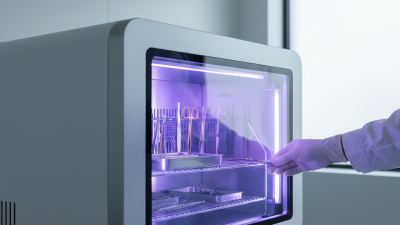
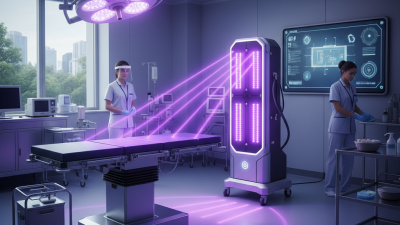
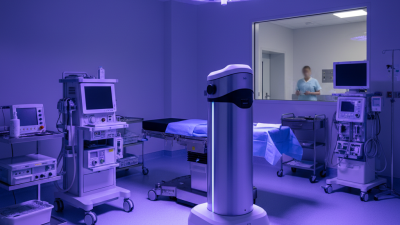
Pulsed UV disinfection is gaining traction in various industries. Hospitals use it to sterilize equipment quickly. This method effectively reduces pathogens without harsh chemicals. Food processing facilities apply it to extend shelf life and ensure safety. Using pulsed light kills bacteria on surfaces and within products.
In the water treatment sector, pulsed UV helps eliminate contaminants. It provides a quick solution without risking chemical residues. This technique is also being explored in the cosmetic industry. Companies focus on ensuring the safety of their products without altering their natural ingredients.
However, not all products respond equally to this treatment, necessitating careful testing.
Challenges exist with its application. For example, not all surfaces can be easily disinfected. Shadows in complex setups may lead to spotty sanitation. Additionally, costs can be a concern for smaller businesses. Despite these issues, the benefits of pulsed UV disinfection are hard to ignore. Each industry must weigh the advantages against potential drawbacks.