What is UV Sterilizer Medical Equipment and How Does it Work?
In recent years, the demand for UV sterilizer medical equipment has surged. This surge is largely due to the ongoing fight against infections and the need for sanitary environments. Dr. Emily Chen, a leading expert in medical technology, remarked, "UV sterilization is a game-changer in infection control."
UV sterilizer medical equipment employs ultraviolet light to eradicate pathogens. This method effectively neutralizes bacteria, viruses, and fungi. It operates by damaging their DNA, preventing replication. This technology is essential, especially in hospitals and clinics, where sterilization is critical.
While the benefits of UV sterilization are clear, challenges remain. UV light can be harmful to skin and eyes, necessitating strict safety measures. Moreover, improper use can lead to ineffective sterilization. Continuous monitoring and proper training are vital to maximize the effectiveness of UV sterilizer medical equipment. As the industry evolves, refining these technologies is crucial to ensure reliability and safety in medical environments.
What is UV Sterilizer Medical Equipment?
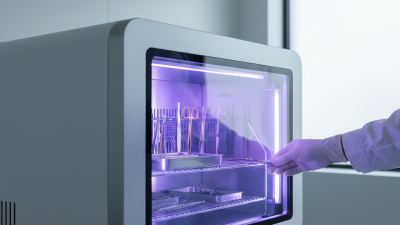
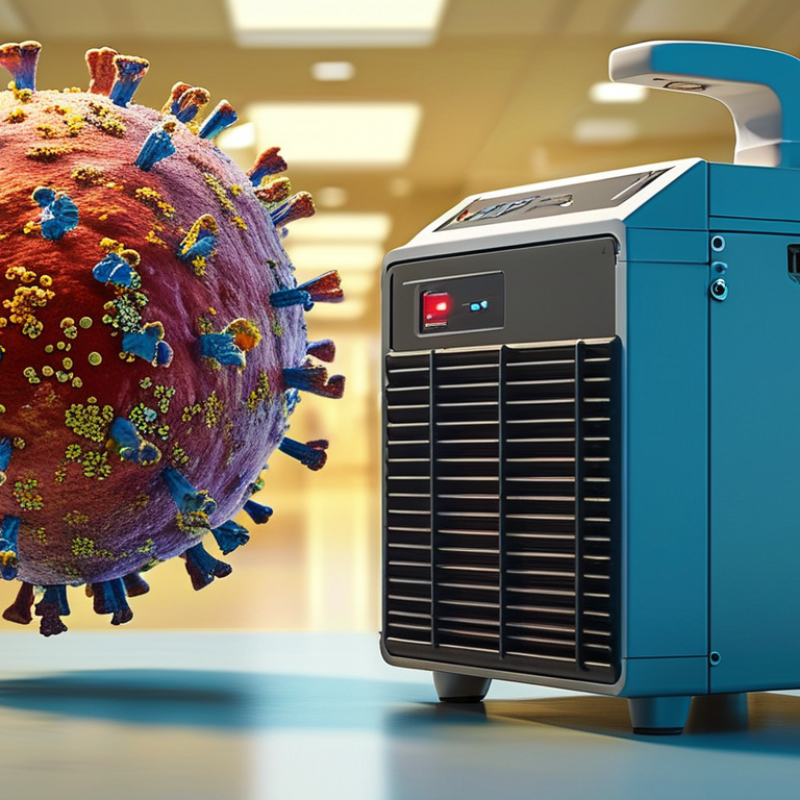
UV sterilizer medical equipment utilizes ultraviolet light to eliminate pathogens. This technology is gaining traction in healthcare settings. Its effectiveness against bacteria and viruses is well documented. By exposing surfaces and instruments to UV-C light, harmful microorganisms are destroyed at a molecular level. This process is swift and doesn’t require chemicals.
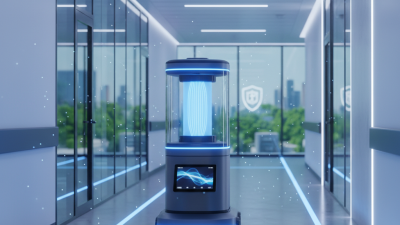
The design of UV sterilizers can vary. Some units are portable, while others are integrated into larger machines. A notable aspect is the safety feature that prevents UV exposure to skin and eyes. Users must remain cautious and follow guidelines. The reliability of this equipment hinges on user training and proper maintenance.
Despite its advantages, some challenge the efficacy of UV sterilization. Variables like the intensity of UV light and time of exposure matter greatly. Shadows on surfaces can create blind spots, leaving certain areas unsterilized. Regular assessments and protocol reviews ensure that the equipment meets hygiene standards. This reflection is essential in maintaining a credible healthcare environment.
The Importance of UV Sterilization in Healthcare Settings
UV sterilization plays a key role in healthcare settings, where sanitation is critical. Hospitals and clinics face a continuous threat from pathogens, including bacteria and viruses. According to a report by the World Health Organization, healthcare-associated infections affect hundreds of millions of patients worldwide each year. Effective sterilization methods are essential to reduce these risks.
The mechanism of UV sterilizers involves emitting ultraviolet light that disrupts the DNA of microorganisms, rendering them incapable of reproduction. Studies show that UV-C light can deactivate up to 99.9% of pathogens, enhancing the safety of surgical instruments and surfaces. This is particularly vital in operating rooms and patient care areas, where any contamination can lead to serious complications.
Consider incorporating UV sterilization as part of the cleaning protocol. Regular use can significantly decrease infection rates. Observe the placement of UV devices to maximize their effectiveness. Ensure they target high-touch areas to eliminate hidden threats. Lastly, continuous evaluation of sterilization methods helps in understanding their effectiveness and areas for improvement. This practice can lead to better patient outcomes.
How UV Sterilizers Work: The Science Behind UV-C Light
UV sterilizers utilize UV-C light to disinfect surfaces, tools, and equipment. This light is a form of electromagnetic radiation. It has wavelengths between 200 and 280 nanometers, effectively disrupting the DNA and RNA of microorganisms. According to a 2021 report from the World Health Organization, UV sterilization can eliminate up to 99.9% of bacteria and viruses within minutes. This makes it a popular choice in medical facilities.
The process itself is simple yet effective. UV-C lamps emit light that penetrates the cells of pathogens. Once penetrated, it alters their genetic material, rendering them unable to reproduce and causing them to die. Research by the CDC shows that proper exposure time and distance from the surface are crucial. UV sterilizers should be used in well-defined protocols to ensure their effectiveness.
Consider these tips when using UV sterilizers. Ensure surfaces are clean before exposure to UV-C light. Dust and dirt can shield pathogens, reducing effectiveness. Always follow safety guidelines. Direct exposure to UV-C light can harm skin and eyes. Lastly, reflect on the limitations; not all materials are suitable for UV treatment. Regular checks and calibrations of UV equipment are essential for maintaining efficiency.
UV Sterilizer Effectiveness by Wave Length
This chart illustrates the effectiveness of UV sterilizers at different UV wavelengths. As shown, effectiveness is highest at 200 nm and progressively decreases as the wavelength increases. This demonstrates the importance of choosing the appropriate UV-C light wavelength for effective sterilization in medical applications.
Applications of UV Sterilizers in Medical Environments
UV sterilizers play a crucial role in medical environments by ensuring that equipment and surfaces are free from harmful pathogens. According to a study published in the Journal of Hospital Infection, UV-C light can reduce microbial contamination by up to 99.99%. This makes it an effective tool in hospitals, especially in high-risk areas like operating rooms and intensive care units. The ability to sterilize without the use of chemicals provides an added layer of safety for patients and healthcare workers alike.
In addition to equipment sterilization, UV sterilizers are increasingly used for air and water disinfection. The World Health Organization suggests that UV technology can significantly improve air quality in healthcare settings. Recent research indicates that integrating UV sterilization into HVAC systems can lower the transmission rates of airborne diseases like tuberculosis. However, the efficacy of UV sterilization can be influenced by multiple factors, including exposure time and distance from the light source. This variability calls for regular assessments and adjustments in medical protocols.
Adoption of UV sterilizers in different medical environments is growing, but challenges remain. The cost of installation and maintenance can be significant. Moreover, facilities must train staff on safe and effective use. These considerations highlight the importance of ongoing research and development in the field. There is still much to learn about optimizing UV sterilization in varied healthcare contexts.
Best Practices for Using UV Sterilizer Medical Equipment
Utilizing UV sterilizer medical equipment requires an understanding of best practices to maximize effectiveness. UV-C light is effective in killing bacteria and viruses, with studies showing a reduction in pathogens by over 99.9% when applied correctly. The right exposure time and distance are crucial. Typically, a distance of at least one meter is recommended to ensure even coverage.
Regular maintenance is vital for optimal performance. Ensure that the UV lamps are replaced according to the manufacturer's guidelines, typically every 12-18 months. Dirty or dim lamps can lead to inadequate sterilization, which may compromise safety protocols in medical settings. Monitoring the equipment’s functionality is also essential; periodic checks can identify wear or malfunction early.
To enhance sterilization effectiveness, consider leveraging shadow-free techniques. For example, positioning items to ensure they are fully exposed to UV light can greatly improve results. Also, avoid using UV sterilizers in dusty or dirty environments; airborne particles can shield pathogens and reduce efficiency. Adhering to these practices can significantly elevate the safety standards of any medical facility.