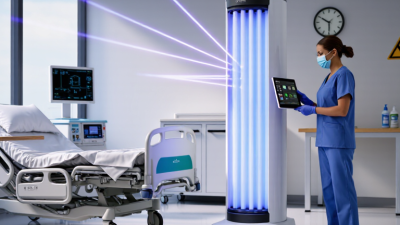
Why Are UV Lights Used for Cleaning?
UV lights for cleaning use ultraviolet energy to reduce microorganisms on exposed surfaces, in air, or in water. The term often refers to UV-C, a band commonly used in germicidal systems. A lamp may shine across a treatment room, inside an air duct, or over a work surface. But UV is not a magic eraser. Dust, fingerprints, and grime remain, and shaded areas may receive little or no useful exposure. Physical cleaning still matters.
Columbia University radiation researcher David J. Brenner has described far-UVC as having “the potential to be a safe and inexpensive method of preventing the spread of many infectious diseases.” His research focuses on far-UVC, so that finding should not be treated as proof that every UV device is safe for every setting. Conventional germicidal UV can injure eyes and skin. Follow the device’s instructions, and do not assume a lit room is automatically protected. Dose, distance, exposure time, and access to the target all affect performance. Small details matter.
This guide explains why UV lights for cleaning are used, where they can help, and what their limits mean in practice. It also looks at the difference between disinfecting and removing visible dirt. A device’s claims deserve careful checking. Real-world results can be less tidy than a product label suggests.
What Ultraviolet Light Is and How It Interacts With Microorganisms
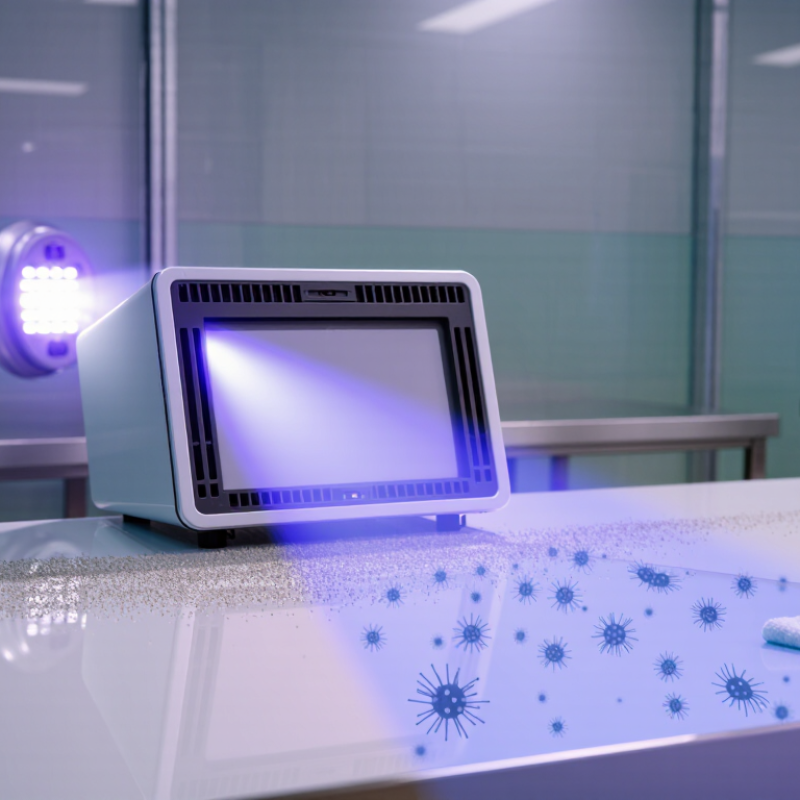
Ultraviolet light is a form of electromagnetic radiation beyond the violet edge of visible light. We cannot see it, but its effects depend on wavelength and dose. For disinfection, devices commonly use UV-C, which can damage genetic material inside bacteria, viruses, and other microorganisms. It does not scrub a surface clean. It changes whether exposed microbes can reproduce or remain infectious.
Think of a countertop under a UV-C source. Light reaches the open patch directly, but may miss a crumb’s underside or a narrow seam. Shadows matter. Dust and organic residue can also block or reduce exposure. A microbe’s response varies with its type, the UV dose, distance, and exposure time. That is why a quick pass is not proof of effective disinfection. In practice, cleaning visible dirt first helps remove barriers, while a device’s instructions determine safe use and positioning.
UV-C is not a harmless glow. Direct exposure can injure eyes and skin, so people and pets should stay away unless the equipment is specifically designed for occupied spaces and used as directed. One detail is easy to overlook: a surface can look spotless while receiving too little UV, or look unchanged after a useful exposure. UV treatment is therefore best understood as a controlled tool, not a visible cleanliness test. The science is useful, but the shadows still complicate things.
How UV-C Light Disrupts Microbial Genetic Material
UV-C light can reduce microbes by damaging the genetic material they need to reproduce. When a microorganism absorbs UV-C, its DNA or RNA may develop chemical changes, including bonds between neighboring building blocks. These lesions can interrupt copying or prevent the cell from making essential proteins. The organism may then lose its ability to multiply. It is not always destroyed instantly.
The result depends on the dose that reaches a surface. A lamp across a room may leave a shaded patch beneath a handle or along a folded cloth untreated. Dust, distance, exposure time, and lamp condition can all affect performance.
That detail is easy to overlook. UV-C also does not remove grime; a dirty surface may still need ordinary cleaning. Some microbes can repair certain kinds of genetic damage, so exposure should not be treated as a guarantee of complete disinfection.
Safe systems use shielding or controls to limit exposure to skin and eyes, and should be used according to their instructions. Even then, checking coverage matters.
I would be cautious about any claim that one brief exposure makes every surface reliably sterile.
Where UV Cleaning Is Commonly Used
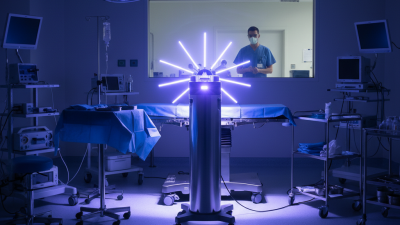
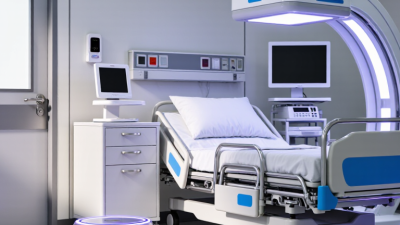
UV cleaning is common in hospitals, water-treatment plants, and building air systems. In healthcare, UV-C devices are often used after manual room cleaning to disinfect exposed surfaces. They do not replace wiping, because shadows and soil can block the light.
A 2017 Lancet study, the BETR Disinfection trial, found that adding UV-C to standard cleaning was associated with a 30% lower risk of acquiring certain drug-resistant organisms among patients entering rooms previously occupied by affected patients. That result came from a specific hospital study, not every room or device. The awkward detail is easy to miss: placement and exposure time matter.
Water utilities also use UV reactors as part of drinking-water treatment. The U.S. Environmental Protection Agency’s Ultraviolet Disinfection Guidance Manual describes how systems validate UV dose under different flow conditions. In buildings, upper-room UV systems can help reduce airborne microbes when designed and maintained properly. CDC guidance treats germicidal UV as a supplement to ventilation, not a substitute. Direct UV-C can harm eyes and skin, so enclosed or carefully controlled equipment is essential. Placement matters.
What Affects the Effectiveness of UV Cleaning
Why Are UV Lights Used for Cleaning?
What Affects the Effectiveness of UV Cleaning
UV-C light can inactivate microorganisms on exposed surfaces without leaving chemical residue. Its performance depends on the delivered dose: the light’s intensity and wavelength, exposure time, and distance from the surface. Dust, dried spills, and shadows can block UV-C, leaving areas untreated. It is not a substitute for removing visible dirt.
Placement matters. In the 2017 BETR-D trial, adding UV-C to standard hospital room cleaning was associated with a 30% lower risk of acquiring certain target pathogens among exposed patients. That result came from a specific hospital protocol; it is not a guarantee for every room or device. The study highlights why real-world setup matters. A lamp aimed at an empty tabletop may miss the underside of a chair or a surface tucked behind equipment. For air treatment, airflow, humidity, and the microorganism also affect results.
Tips: Clear clutter, clean visible soil, and reposition items between validated cycles. Check that the intended surfaces receive direct exposure. Shadows count. Don’t assume a glowing lamp means the whole room is treated.
Safety Risks and Limitations of UV Cleaning
UV lights are used because certain wavelengths can damage the genetic material of microbes, limiting their ability to reproduce.
But UV treatment is not the same as washing. It does not remove dust, grease, or dried spills. That distinction matters. A surface may look clean while still blocking the light from reaching microbes beneath grime.
Exposure is a key safety concern.
Germicidal UVC can injure eyes and skin, sometimes before discomfort becomes obvious. Never look directly at an operating UVC source or expose skin unless the equipment is specifically designed and tested for that use. Follow the device instructions, and keep people and pets away from areas where direct exposure could occur. Some UV sources may also produce ozone, depending on their wavelength and design. Check the product’s safety information rather than assuming all UV lamps behave alike.
UV also has practical limits.
Shadows matter. Light may miss the underside of a handle, a folded fabric edge, or a crowded corner. Distance, exposure time, lamp condition, and surface type can all affect performance. It is tempting to treat a glowing lamp as proof of disinfection, but visible light does not confirm that an effective dose reached every spot. UV can also fade fabrics or damage plastics over repeated exposure. I would not rely on it alone for a messy or high-contact area; cleaning and careful handling still matter.