Choosing a hospital uv light disinfection system is not simply a purchase decision. It is a patient-safety decision involving dose, room design, workflow, and verified performance. The World Health Organization’s 2022 Global Report on Infection Prevention and Control estimates that about 7 in 100 acute-care patients in high-income countries acquire at least one healthcare-associated infection. In low- and middle-income countries, the estimate rises to 15 in 100. These figures make environmental controls important, but they do not make ultraviolet technology a cure-all.
Dr. William A. Rutala, a leading infection-prevention researcher, has described no-touch disinfection technologies as “an adjunct to, not a replacement for, routine cleaning and disinfection.” That distinction matters. UV-C cannot reliably disinfect dust-covered surfaces, shaded areas, or spaces outside its effective exposure zone. The U.S. Centers for Disease Control and Prevention also presents ultraviolet germicidal technologies as supplementary measures, especially for airborne control and selected environmental applications.
A responsible comparison should examine measured UV-C dose, sensor accuracy, room-size limits, shadowing, interlock protection, cycle records, lamp ageing, and maintenance requirements. Ask for independent validation, not only marketing claims. A small patient room may need different coverage from an operating theatre or isolation ward. Reflective surfaces can improve exposure, yet equipment wheels, bed rails, and privacy curtains still create blind spots. No device is magic. Some published studies report strong reductions, while real-world results vary with cleaning quality and room geometry. This article explains how to judge those differences and select a hospital uv light disinfection system that supports, rather than weakens, established infection-control practice.
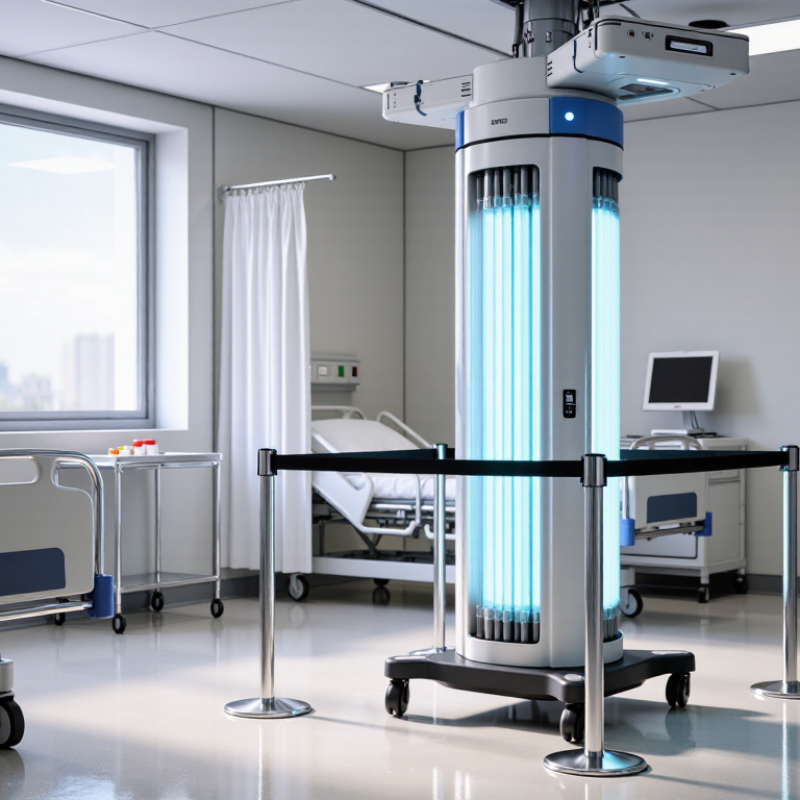
Hospital UV light disinfection systems fall into several practical categories. Upper-room germicidal ultraviolet systems treat air near the ceiling while patients and staff occupy the lower zone. They suit waiting areas, emergency departments, and isolation rooms with adequate ceiling height. In-duct UV systems disinfect air moving through HVAC equipment. They work continuously, but performance depends on airflow speed, lamp intensity, and contact time.
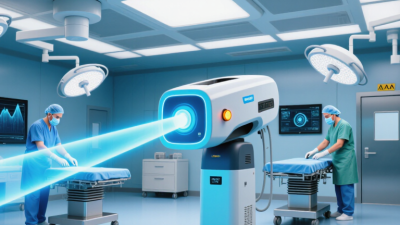
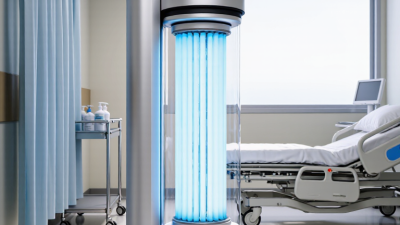
Mobile whole-room UV-C units expose exposed surfaces after patients leave. They can support terminal cleaning in operating rooms, isolation rooms, and patient bedrooms. However, shadows, bed frames, curtains, and equipment can block the light. Not every room.
Surface-focused UV systems require careful positioning and documented exposure times. Hospitals should verify irradiance at the farthest target, not only near the lamp. A 2022 CDC report estimated that one in 31 U.S. hospital patients had a healthcare-associated infection on any given day. This supports layered controls, but UV should not replace cleaning, ventilation, or hand hygiene. The CDC’s Environmental Infection Control Guidelines describe UVGI as a supplementary measure. ASHRAE Standard 241-2023 also emphasizes equivalent clean airflow when evaluating infection-risk controls.
Selection should match the room’s air volume, occupancy, cleaning workflow, and safety controls. Interlocks, motion sensors, warning indicators, and maintenance logs deserve close review. I would not trust brochure claims alone. The difficult part is that real wards are not laboratories. Staff training, lamp aging, dust buildup, and incomplete room coverage can reduce actual performance.
Assessing a hospital space should come before comparing UV output. The CDC reported that about one in 31 U.S. hospital patients has a healthcare-associated infection on any given day. WHO estimates that seven in 100 acute-care patients in high-income countries are affected, rising to 15 in 100 in low- and middle-income countries. These figures demand practical room analysis. Review patient movement, bed spacing, ceiling height, airflow, surface exposure, and cleaning routines. A crowded isolation room needs a different approach from an empty operating theatre.
Match the system to the pathogen and exposure route. Upper-room or air-handling applications may support control of airborne tuberculosis and respiratory pathogens. Surface UV-C requires direct exposure, correct distance, and sufficient dose. Shadows, equipment, dust, and bedrails can block treatment. CDC environmental infection-control guidance describes ultraviolet germicidal irradiation as a supplement, not a replacement for ventilation and manual cleaning. That limitation matters. A system designed for vacant rooms may perform poorly during occupied care.
Tips: Build a room-by-room risk map. Ask for independent test data showing irradiance, dose, and reduction results against relevant organisms. Check whether performance changes with distance or surface angle. Confirm occupancy controls and photobiological safety under IEC 62471. Involve infection-prevention staff and facilities engineers before installation. Measure baseline conditions, then review failures honestly. Perfect coverage is unlikely.
Choosing a hospital UV system requires more than checking its advertised output. Conventional UVC near 254 nanometers can disinfect exposed surfaces effectively. However, its performance decreases sharply in shadows, beneath equipment, and inside irregular spaces. Newer far-UVC designs, often near 222 nanometers, may support occupied-area applications, but safety evidence and local requirements must be reviewed carefully. UVC LEDs commonly operate around 265–280 nanometers and can offer compact designs, though heat management and lamp life need attention.
Equipment design should match the room, workflow, and cleaning routine. Mobile units can reposition between patient rooms, while ceiling-mounted systems provide consistent coverage in selected zones. Upper-room systems target airborne microorganisms, but airflow patterns and ceiling height strongly affect results. I have seen installations fail because a cabinet blocked the lower beam. No layout is perfect. Request measured irradiance, exposure time, sensor records, and independent validation rather than relying on a simple room-size claim. Check door interlocks, motion detection, warning indicators, and maintenance access before approval.
Tips: Map the room in detail. Mark beds, curtains, monitors, and high-touch surfaces. Compare the required UV dose with the system’s actual output at the farthest point. Ask how performance changes after lamp aging. A practical trial can reveal gaps that drawings miss. Document results, then revise the placement if needed.
Choosing a hospital UV light disinfection system starts with safety controls, not lamp power. Select equipment with occupancy sensors, door interlocks, warning indicators, and a clearly marked emergency stop. The system should prevent exposure when people enter the treatment area. Check whether sensors detect movement reliably, including movement near doorways and behind equipment. A stronger lamp is not automatically safer or better.
Compliance evidence should match the system’s intended use. Request electrical safety documentation, photobiological risk assessments, maintenance instructions, and independent performance test results. Verify the required UV dose on real surfaces, not only inside ideal test chambers. Ask how the supplier measures shadowed areas, because beds, cabinets, and monitors can block ultraviolet light. Applicable healthcare, electrical, workplace, and infection-control requirements may differ by location. Confirm them with qualified compliance personnel.
Operational details often decide whether the system works consistently. Measure room dimensions, ceiling height, reflective surfaces, and average treatment time before purchase. Staff need practical training on room clearance, cycle confirmation, fault messages, and cleaning procedures. A visible countdown helps reduce mistakes. Keep service records, lamp-hour readings, incident reports, and periodic verification results. No checklist is perfect. Teams may overlook a partly open door or a relocated bedside cabinet. A short pilot in representative rooms can reveal these weaknesses before routine deployment. Also consider noise, storage, battery backup, and compatibility with existing cleaning workflows. Simpler procedures are usually followed more reliably.
| Evaluation Dimension | What to Check | Recommended Acceptance Evidence | Operational Implication | Priority |
|---|---|---|---|---|
| UV Wavelength | Confirm the emitted wavelength and whether the system is intended for germicidal disinfection. | Manufacturer test documentation should identify the UV-C output. Conventional germicidal UV-C systems commonly operate near 254 nm; newer far-UVC systems may use different wavelengths and require separate safety and efficacy evaluation. | Do not compare systems only by lamp wattage. Wavelength, irradiance, exposure time, distance, and room geometry affect performance. | Critical |
| Validated Dose | Review the UV dose or fluence delivered to the target surfaces or air volume. | Request independent or documented test results showing the relationship between irradiance, exposure time, and microbial reduction. Dose should be reported in recognized units such as mJ/cm². | A specified treatment cycle should be based on measured or validated dose rather than a generic time claim. | Critical |
| Room Coverage | Assess line-of-sight limitations, shadows, equipment obstruction, ceiling height, room size, and surface reflectivity. | Obtain a room-specific coverage plan or risk assessment. Confirm whether multiple device positions or manual repositioning are required. | UV-C is less effective on shaded or occluded areas. Room preparation and device placement must be standardized. | High |
| Occupancy Protection | Determine whether the system can operate while patients, visitors, or staff are present. | For conventional exposed UV-C systems, operation should normally occur only in unoccupied spaces unless the system has a separately validated occupied-space design. | Include a documented room-clearance procedure and controls that prevent accidental exposure. | Critical |
| Access Interlocks | Check door switches, motion sensors, remote controls, emergency stop functions, and restart behavior after an interruption. | Safety functions should be tested during commissioning and periodically thereafter. The system should fail safely when a protected door is opened or a fault is detected. | Interlocks reduce the risk of unintended exposure but should not replace administrative controls and staff training. | Critical |
| Warning and Status Indicators | Verify visible warning signs, audible or visual cycle indicators, countdown displays, and fault alerts. | Indicators should clearly show when UV emission is active, delayed, completed, or interrupted. Labels should remain legible in the intended clinical environment. | Clear status information supports room-clearance checks and reduces operating errors. | High |
| Exposure Control | Evaluate safeguards for ultraviolet exposure to eyes and skin, including access control and operating procedures. | Safety documentation should address occupational exposure, unintended entry, emergency shutdown, and required personal protective measures for service personnel. | Routine users should not enter an active treatment area. Maintenance access should follow a controlled lockout or shutdown procedure. | Critical |
| Ozone Generation | Determine whether the UV source generates ozone and whether ozone may accumulate in the room. | Request ozone-emission information and operating limits. If ozone can be produced, define ventilation, re-entry, and measurement requirements based on applicable occupational limits. | Ozone-related controls may affect room downtime, ventilation operation, and re-entry authorization. | Critical |
| Materials Compatibility | Assess potential effects of repeated UV exposure on plastics, elastomers, fabrics, coatings, sensors, and medical equipment. | Review compatibility statements and inspect representative materials during a controlled pilot. Pay particular attention to discoloration, brittleness, and degradation. | Frequent cycles may shorten the service life of sensitive materials even when disinfection performance is acceptable. | High |
| Regulatory and Standards Review | Identify the product classification, electrical safety requirements, electromagnetic compatibility requirements, and applicable healthcare regulations in the installation country. | Obtain the declaration of conformity, electrical and EMC test reports, risk-management documentation, labeling information, and any required medical-device or facility approvals. | Regulatory status is jurisdiction-specific. Procurement should be reviewed by the hospital’s infection prevention, biomedical engineering, facilities, and compliance teams. | Critical |
| Infection Prevention Program | Define how UV treatment fits with cleaning, disinfection, isolation, and terminal-room procedures. | The written protocol should state that UV treatment is supplementary to physical cleaning and does not replace removal of soil or organic matter. | Staff must complete routine cleaning before the UV cycle begins; visible contamination can reduce UV effectiveness. | Critical |
| Cycle Verification | Check whether the system records treatment duration, device position, room identity, operator, faults, and cycle completion. | Prefer systems with exportable electronic records or a controlled paper alternative. Verify that logs cannot be altered without traceability. | Documented cycles support quality assurance, audits, incident investigation, and performance monitoring. | High |
| Irradiance Monitoring | Determine how lamp output or UV intensity is monitored over time. | Look for a calibrated sensor, lamp-hour tracking, output alarms, or a defined radiometer verification program. Calibration intervals should be documented. | UV output can decline with lamp aging, contamination, power variation, or component failure; time-only controls may not detect reduced dose. | High |
| Lamp and Component Life | Review expected lamp life, replacement triggers, consumable availability, and safe disposal requirements. | Maintenance instructions should specify replacement criteria, compatible components, cleaning methods, and disposal procedures for lamps that contain hazardous materials. | Planned replacement avoids unplanned downtime and helps maintain validated treatment performance. | High |
| Cleaning and Maintenance | Check whether lamps, reflectors, sensors, wheels, cables, and protective covers can be safely inspected and cleaned. | Require a preventive-maintenance schedule, service checklist, fault-response procedure, and clear responsibility assignment. | Dust and residue can reduce UV transmission and increase the chance of missed treatment or equipment failure. | High |
| Electrical Safety | Evaluate grounding, power-cord protection, plug compatibility, overload protection, and suitability for the hospital electrical environment. | Review electrical safety test results and require inspection before clinical use, after repair, and at the interval defined by the hospital’s biomedical engineering program. | Portable systems must not create trip hazards or interfere with medical equipment, emergency access, or infection-control practices. | Critical |
| Mobility and Ergonomics | Assess device weight, wheel design, handles, cable management, stability, and transport through doors and elevators. | Conduct a site trial in representative rooms and corridors. Confirm that one trained operator can move and position the system safely. | Poor ergonomics can cause staff injury, positioning errors, delays, and inconsistent coverage. | High |
| Cycle Time and Throughput | Measure the complete workflow time, including room preparation, clearance, device positioning, treatment, ventilation or re-entry delay, and documentation. | Use a time study based on actual room types rather than the nominal lamp-on time alone. | Throughput depends on the entire workflow and may affect bed turnover, operating-room scheduling, and isolation-room availability. | High |
| Staff Training | Define competency requirements for operators, supervisors, maintenance personnel, and emergency responders. | Training should cover room clearance, device placement, cycle selection, alarms, failed cycles, exposure response, reporting, and routine inspection. | Training records and periodic competency checks should be included in the hospital quality system. | High |
| Validation and Commissioning | Confirm that the system performs as intended in the actual rooms where it will be used. | Commissioning should document room dimensions, device location, cycle settings, safety-function tests, irradiance checks, and acceptance criteria. | Site validation is more reliable than relying solely on laboratory data or marketing specifications. | Critical |
| Performance Monitoring | Establish how effectiveness, safety events, failed cycles, maintenance issues, and user compliance will be tracked. | Use defined indicators such as completed cycles, interrupted cycles, equipment faults, maintenance completion, and observed protocol compliance. | Continuous monitoring helps identify declining output, workflow problems, and training needs. | Standard |
| Emergency Response | Review procedures for accidental exposure, equipment fire, electrical failure, ozone concerns, and device malfunction. | Post emergency instructions and integrate them into the hospital’s occupational health, incident-reporting, and emergency-management procedures. | A rapid, consistent response limits harm and supports regulatory and internal reporting obligations. | Critical |

How to Choose a Hospital UV Light Disinfection System?
A hospital UV light system should be judged by delivered dose, not lamp wattage alone. Measure irradiance at several points in the room, including corners and areas behind equipment. Shadows can reduce exposure sharply. A system with automatic cycle records provides stronger evidence than a simple “completed” indicator. Ask for validated testing methods, sensor accuracy, and performance data under realistic room conditions. High ceilings and crowded patient rooms may require longer cycles or repositioning.
Maintenance often determines whether performance remains stable. Dust on lamps, aging emitters, and damaged sensors can reduce output without obvious warning. The service plan should specify cleaning frequency, lamp-life testing, calibration, replacement labor, and response times. Keep readable records. They help infection-control teams review missed cycles and recurring faults. Safety interlocks, warning signals, and occupancy detection also deserve practical testing, not only paperwork. Small failures matter.
Total ownership cost includes more than equipment and installation. Calculate energy use, replacement parts, software fees, staff training, room downtime, and annual validation. Compare these costs over five years. A cheaper system may require more labor or frequent component changes. That difference can become substantial across multiple rooms. Still, cost models are imperfect. Electricity prices change, and maintenance estimates may be optimistic. I would include a contingency allowance and ask current hospital users about real service delays. Their experience may reveal what a sales spreadsheet misses.
This website uses cookies to ensure you get the best experience on our website. Learn More
ACCEPT