How to Use UV Light for Effective Room Cleaning?
In recent years, the use of UV light for cleaning rooms has gained significant attention. Experts like Dr. Lisa Monroe, a leading microbiologist, emphasize its potential. She states, “UV light can effectively eliminate harmful pathogens in various environments.” This highlights how UV light can be a game changer in maintaining cleanliness.
Many are curious about the effectiveness of UV light for cleaning rooms. Unlike traditional cleaning methods, UV light offers a deeper sanitation level. It targets bacteria and viruses that may linger on surfaces, such as doorknobs and tabletops. However, it is essential to remember that UV light cannot clean visible dirt. Users must still perform initial cleaning before using UV light.
As with any cleaning method, reflection on its use is vital. Not all UV light devices are created equal. Consumers should research products for efficacy and safety. Understanding the proper usage and limitations of UV light for cleaning rooms is crucial. Balancing technology with traditional methods can lead to the best results in creating a safe environment.
Understanding UV Light and Its Cleaning Properties
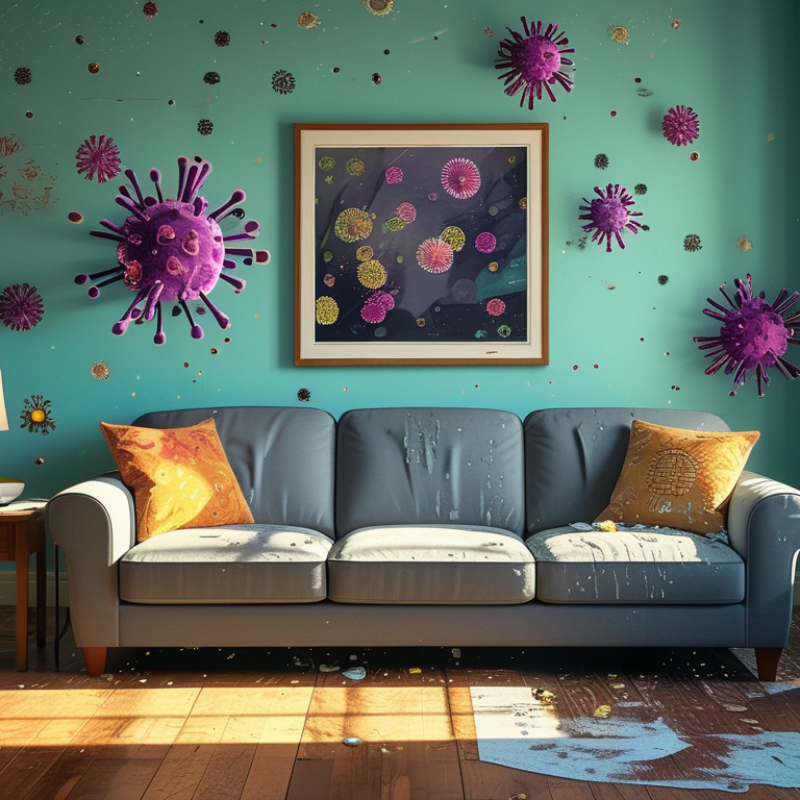
UV light is gaining attention for its ability to disinfect rooms effectively. Studies have shown that UV-C light, a specific wavelength between 200-280 nm, can reduce microbial contamination. In fact, research indicates that UV-C can eliminate up to 99.9% of bacteria and viruses on surfaces within minutes. This method harnesses the germicidal properties of UV light, making it a powerful tool in combating pathogens.
Many hospitals and institutions have adopted UV-C technology to enhance their cleaning protocols. A report by the American Journal of Infection Control highlighted that using UV-C light can complement traditional cleaning methods. This integration helps tackle hard-to-reach areas where germs may linger. However, it is essential to note that UV light is only effective when surfaces are not obstructed by dust or grime. Regular cleaning is still necessary to achieve optimal results.
While the benefits are clear, some concerns remain. The direct exposure to UV-C can pose risks to skin and eyes, necessitating careful handling. Additionally, the effectiveness varies based on the intensity and duration of exposure. Not all surfaces react the same way to UV treatment. Thus, further studies are needed to determine the best practices for different environments and materials.
Types of UV Light Used for Disinfection in Rooms
When looking to disinfect rooms, it's essential to understand the types of UV light available. Generally, three types are used for effective disinfection: UV-C, UV-B, and UV-A. Among these, UV-C light is particularly efficient for killing bacteria and viruses. It works by disrupting the DNA of microorganisms, rendering them inactive and unable to reproduce. Many facilities choose this type for its potent germicidal properties.
Understanding UV-A and UV-B is also crucial. UV-A is often used in tanning beds and is less effective for disinfection. UV-B has some applications in sterilization but is not as widespread as UV-C. It's necessary to consider safety measures when using UV light. Direct exposure can harm the skin and eyes.
To maximize the effectiveness of UV light, ensure that surfaces are clean before treatment. Dust and debris can block the light. Time is important too; exposure duration greatly affects efficiency. Using UV light should be part of a broader cleaning strategy. Always follow guidelines to prevent accidents. Remember to reflect on your methods regularly. Disinfection techniques need to evolve with emerging pathogens.
Steps to Safely Implement UV Light Cleaning
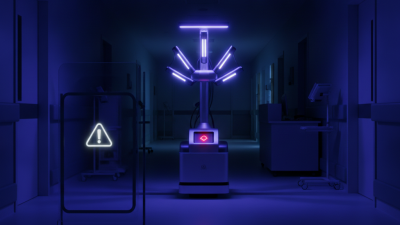
When considering UV light for room cleaning, safety is essential. Start by selecting the right UV-C light device. Make sure it is specifically designed for disinfection. Check the product specifications to confirm its effectiveness against bacteria and viruses.
Before using the UV light, clear the area of people, pets, and plants. UV light can be harmful to skin and eyes. Consider wearing protective eyewear if you're in the vicinity. Position the light source to ensure even exposure. Move objects that may block its path.
It’s important to follow the manufacturer's instructions carefully. Set a timer if your device does not have one built-in. Leaving the room for the recommended duration is key to effective disinfection. Regularly inspect your UV light for any signs of wear; a damaged device may not work properly. Evaluation of your cleaning schedule is necessary too. Reflect on the effectiveness of your UV cleaning routine and adjust as needed.
How to Use UV Light for Effective Room Cleaning? - Steps to Safely Implement UV Light Cleaning
| Step |
Description |
Safety Measures |
Efficacy |
| 1 |
Prepare the room by removing any obstacles and covering sensitive items. |
Ensure no one is in the room during cleaning. |
Highly effective on surfaces and air particles. |
| 2 |
Choose the right UV light device based on the space size. |
Follow manufacturer’s guidelines for setup. |
Varies based on UV intensity and exposure time. |
| 3 |
Run the UV light for the recommended duration to ensure thorough disinfection. |
Wear protective eyewear and skin covering. |
Effective against bacteria, viruses, and fungi. |
| 4 |
After cleaning, ventilate the room to disperse any remaining ozone. |
Allow time for ozone dissipation before re-entry. |
Ensures safe air quality post-cleaning. |
| 5 |
Regularly maintain the UV light device for optimal performance. |
Check for any damages or necessary replacements. |
Maintains cleaning efficacy over time. |
Best Practices for Effectively Using UV Light in Various Spaces
Using UV light for room cleaning can be highly effective when done correctly. It’s crucial to understand the best practices for various environments. When applying UV light, ensure the area is free of people and pets. UV radiation can be harmful, so safety must be a priority.
In hospitals, UV light can disinfect surfaces effectively. Place UV devices in corners and allow ample time for exposure. For residential spaces, focus on high-touch areas such as doorknobs and light switches. Using a UV wand can enhance cleaning, but remember to move it slowly over surfaces for optimal results.
Tips for using UV light safely include wearing protective eyewear and ensuring you’re following exposure guidelines. Regularly check the bulbs’ effectiveness. Over time, UV bulbs lose intensity, impacting their disinfecting capabilities. Keep track of usage and replace them as needed. Be aware that some materials can degrade under UV exposure. Always test a small area first if you’re unsure.
Effectiveness of UV Light in Different Spaces for Room Cleaning
This chart illustrates the effectiveness of UV light cleaning in various rooms measured by the percentage reduction in bacteria after treatment. The data indicates that UV light is particularly effective in high-contact areas like kitchens and bathrooms.
Limitations and Precautions of UV Light Cleaning Methods
Using UV light for room cleaning can be effective, but there are notable limitations and precautions to keep in mind. UV light primarily targets surface germs. It cannot penetrate dirt or obscured surfaces. This means that before using UV light, surfaces should be clean. Dust and grime can block the light from reaching pathogens effectively.
Another critical factor involves safety. Direct exposure to UV light can harm skin and eyes. Protective gear is essential when operating UV devices. Additionally, not all materials are safe under UV exposure; certain plastics and fabrics may degrade over time. It's important to ensure that your cleaning area is free from people and pets to avoid unintended harm.
Furthermore, UV light is not a substitute for traditional cleaning methods. It takes time to disinfect areas properly. Relying solely on UV can lead to a false sense of security. Frequent testing and validation of the cleaning process can enhance reliability. Understanding these limitations helps create a safer and more effective cleaning strategy.