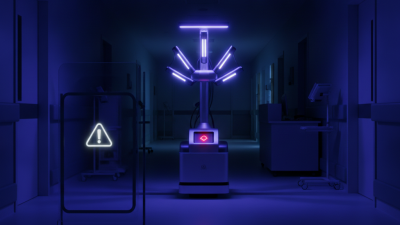
Hospitals, airports, hotels, and warehouses are investing in cleaner, more automated environments. The International Federation of Robotics reported nearly 200,000 professional service robots sold worldwide in 2023. This growth signals stronger demand for dependable mobile automation, including the uv robot.
The market is expanding. Grand View Research identifies rising demand for ultraviolet disinfection equipment across healthcare, commercial, and industrial facilities. Yet purchasing a uv robot requires more than comparing prices or battery capacity. Buyers should examine verified UV-C dosage, coverage mapping, obstacle detection, remote monitoring, and emergency shutdown systems. A machine may look impressive in a showroom. It may perform differently around beds, glass walls, uneven floors, or crowded corridors.
Safety evidence matters.
The International Commission on Non-Ionizing Radiation Protection provides exposure guidance for ultraviolet radiation. Reputable manufacturers should explain how their systems limit human exposure through occupancy sensors, warning signals, access controls, and documented operating procedures. Independent testing is valuable, especially when manufacturers claim high pathogen-reduction rates. Such claims should identify the organism, exposure distance, surface condition, and test method.
This guide introduces leading UV robot manufacturers for global buyers. It considers engineering capability, certifications, service networks, software reliability, and real deployment experience. No ranking is perfect. Regional regulations, facility layouts, and maintenance skills can change the result. Some suppliers publish limited field data, which deserves careful review. The strongest choice is not always the most advanced model. It is the system that delivers measurable performance, clear safety controls, and practical support after installation.
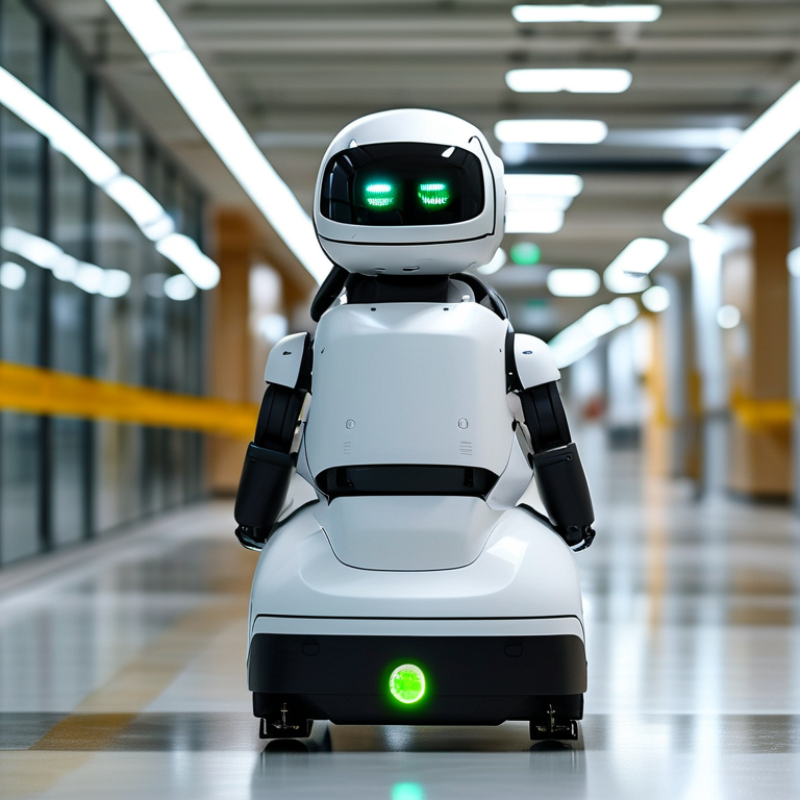
UV robots are mobile machines that use ultraviolet-C energy to reduce microorganisms on exposed surfaces.
They combine autonomous navigation with controlled disinfection, rather than relying on manual wiping alone. Most units operate in empty rooms.
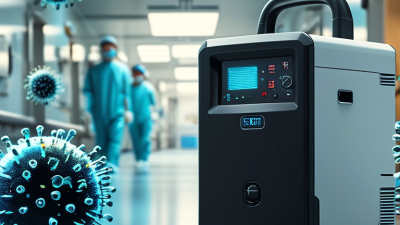
Core components include UV-C lamps, a battery system, drive motors, lidar or other sensors, onboard software, and safety interlocks.
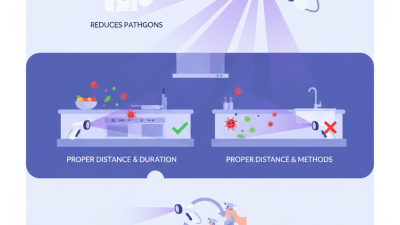
The robot first maps a room or follows a prepared route. It then calculates stopping points near beds, floors, walls, and equipment. UV intensity and exposure time determine the delivered dose.
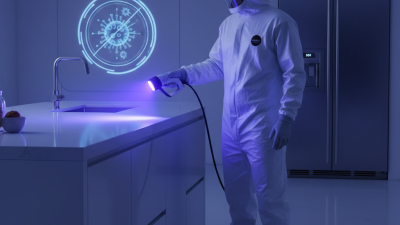
If a person enters the area, motion sensors should trigger an immediate shutdown. Operators still need clear procedures.
Real sites are less tidy than diagrams.
A chair, curtain, or dusty lamp can create a treatment gap. UV light cannot disinfect shaded areas, narrow cracks, or covered surfaces. Distance also changes performance quickly.
Buyers should request independent irradiance data, safety test records, battery specifications, and service documentation. Training is equally important because a technically advanced robot can fail through poor placement or rushed setup.
The design is useful, but not perfect.
Top UV Robot Manufacturers for Global Buyers
Major Applications of UV Disinfection Robots
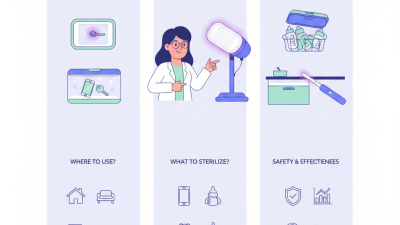
UV disinfection robots are used in hospitals, hotels, schools, laboratories, and public transport facilities. Their main task is delivering germicidal ultraviolet light across exposed surfaces after routine cleaning. In hospitals, they can treat patient rooms, operating areas, isolation spaces, and equipment zones between scheduled uses. Hotel operators often deploy them in guest rooms, elevators, and shared facilities. Schools and offices may use them during vacant hours.
The technology is practical, but not magic. UV-C light cannot disinfect areas hidden behind furniture, curtains, or equipment. Dust and organic residue can also reduce performance. Facility staff should clean surfaces first and follow the exposure time stated in validated testing. Human access must be restricted during operation, with door sensors, warning lights, and emergency stops checked regularly.
In warehouses and laboratories, robots can support repeatable treatment cycles and create digital records for audits. Some systems map room layouts, measure travel paths, and report completed coverage. Global buyers should examine tested wavelength data, irradiance readings, battery capacity, navigation accuracy, and service support. A useful trial compares microbial reduction across real room layouts, not only open test chambers. Results may differ. That difference deserves attention before large-scale purchasing.
A capable UV robot manufacturer should provide testable performance, not attractive brochures. The International Federation of Robotics reported 541,302 industrial robots installed worldwide in 2023. This scale increases buyer choice, but also complicates technical comparison. Ask for measured irradiance, exposure time, room dimensions, and independent validation data. A robot claiming “99.9% reduction” is incomplete without naming the microorganism and test conditions.
Look for compliance with ISO 15858, which addresses UV-C safety information, and IEC 62471, which evaluates photobiological risks. Reliable suppliers should explain emergency stops, motion sensors, warning lights, and access-control procedures. Request service records, battery-cycle data, navigation accuracy, and software update policies. Real deployment evidence matters. A hospital corridor and a hotel room need different route planning.
The World Health Organization’s 2022 Global Analysis and Assessment of Sanitation and Drinking-Water report highlights uneven infrastructure worldwide. Manufacturers serving global buyers should therefore support varied room layouts, power systems, languages, and maintenance skills. Ask whether performance changes with dust, reflective surfaces, or lamp aging. Some specifications remain vague. That deserves skepticism. A useful trial should measure dose at shadowed areas, not only in open spaces. Suppliers should also disclose failed tests, because perfect claims are rarely operationally honest.
Top UV Robot Manufacturers Serving Global Buyers
Global buyers now assess UV robots as mobile safety systems, not simple cleaning machines. The International Federation of Robotics reported 541,302 industrial robot installations worldwide in 2023. That figure shows a mature automation market, but UV robots require more specialized evaluation.
Reliable manufacturers should disclose wavelength, irradiance, delivered dose, and treatment time. Most systems use UV-C near 254 nanometers, while newer designs may use other validated wavelengths. The U.S. Centers for Disease Control and Prevention stresses that UV effectiveness depends on dose, distance, exposure time, and surface coverage. Buyers should request independent test results, sensor calibration records, and obstacle-detection evidence. A robot stopping near a glass wall is not enough.
Global service capability matters as much as hardware. Look for regional spare parts, multilingual manuals, remote diagnostics, and documented operator training. The World Health Organization also emphasizes risk controls when ultraviolet equipment may expose people. Strong manufacturers therefore provide access interlocks, warning indicators, emergency stops, and treatment logs. No shortlist is perfect. Some impressive prototypes still lack dependable maintenance networks. Buyers should test navigation in real corridors, not only in exhibition halls, and compare measured dose against the supplier’s claims before approving large deployments.
Global buyers commonly compare UV robot solutions by their ultraviolet wavelength, because wavelength affects germicidal performance, material compatibility, safety controls, and regulatory requirements. The reference values shown represent widely used UV-C and far-UVC wavelengths rather than data from any specific company or brand.
Top UV Robot Manufacturers for Global Buyers
International Standards, Support, and Purchasing Considerations
Selecting a UV robot requires more than comparing light intensity or travel speed. Global buyers should request test reports, electrical certificates, and clear risk-control documents. Relevant standards may include IEC safety requirements, ISO quality systems, and local regulations for industrial equipment. Requirements differ by destination. Confirm them before signing a purchase order.
A practical review starts with the robot’s safety design. Check shielding, emergency stops, door interlocks, warning lights, and automatic shutdown functions. Ask for UV dose records and calibration procedures. I have seen buyers focus on coverage maps while overlooking replacement lamps and software access. That mistake becomes expensive after installation. Support response times matter too. Remote training helps, but local service capacity is better.
Tips: Request a sample inspection report. Confirm voltage, plug type, language options, spare-part availability, and warranty limits. Ask whether operators receive documented training. Test the robot on your actual floor plan, not only a demonstration video. Keep questions written and specific. Small details matter. A low purchase price may hide integration costs, delivery delays, or difficult maintenance. Even experienced teams can miss these points. Recheck the assumptions.
This website uses cookies to ensure you get the best experience on our website. Learn More
ACCEPT